
Why Brain Health Starts at Night

Can Poor Sleep Increase Dementia Risk?
If you’ve ever thought of sleep as simply “rest,” it’s time to rethink that idea. Sleep is not passive, it is an active and essential processes for maintaining a healthy brain.
Emerging research continues to show a compelling connection between poor sleep and an increased risk of cognitive decline and dementia, including conditions like Alzheimer’s and Parkinson’s disease.
Brain Cell Health: Why Sleep Is Non-Negotiable
Your brain cells are working hard all day, and even at night. But they need downtime to recover.
Chronic sleep deprivation places stress on brain cells, contributing to oxidative damage and cellular wear and tear. Over time, this kind of stress can impair brain function and may accelerate neurodegenerative processes.
As one expert noted in The New York Times:
“Wakefulness in the brain, even under normal circumstances, incurs penalties… when you’re awake for too long, the system gets overloaded.”
In other words, pushing through fatigue isn’t harmless. It’s cumulative.
Clearing Waste: Your Brain’s Overnight “Cleanup Crew”
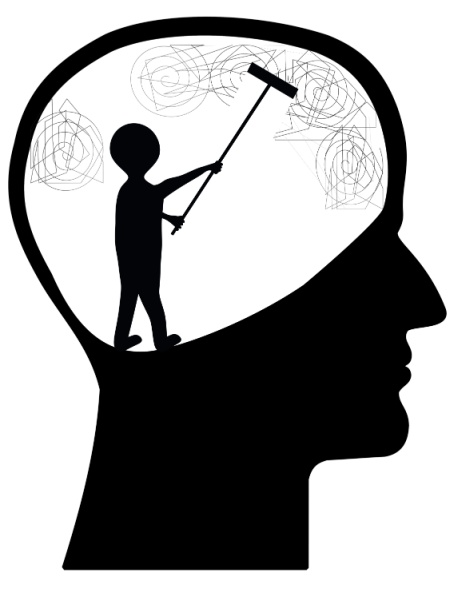
While you sleep, your brain activates a remarkable system that clears out waste products built up during the day.
One of the most important of these is beta-amyloid, a protein associated with Alzheimer’s disease. When sleep is disrupted or shortened, this clearing process becomes less efficient, allowing these proteins to accumulate.
Think of sleep as your brain’s nightly reset; skip it, and the clutter builds.
Memory Consolidation: Locking in What Matters
Sleep plays a critical role in memory consolidation; the process of organizing and storing the information you’ve learned throughout the day.
Without adequate sleep, this process is disrupted. Most of us have experienced this firsthand; the foggy thinking, the missed details, the extra effort it takes to stay focused. You may notice:
• Increased forgetfulness
• Difficulty concentrating
• Slower processing speed
Over time, these changes can contribute to more significant cognitive decline.
Neuroinflammation: The Hidden Risk
Poor sleep doesn’t just make you feel foggy, it can actually trigger inflammation in the brain.
This neuroinflammatory response has been linked to many neurodegenerative diseases. Chronic inflammation can damage neurons and interfere with normal brain signaling, further increasing the risk of cognitive decline.
The Bottom Line
Sleep is not a luxury. It’s a critical investment in your long-term brain health.
Consistently poor sleep may:
- Increase the risk of dementia
- Impair memory and cognition
- Contribute to harmful brain changes over time
The encouraging news? Sleep is one of the most modifiable risk factors we have. Small, consistent improvements can make a meaningful difference.
Coming Next
In the next post, we’ll shift focus from the brain to the heart and explore the powerful connection between sleep and cardiovascular health: Sleep and Heart Health: The Overlooked Risk Factor for Heart Disease.
See the full series. Sleep and Healthy Aging: What You Need to Know
Sleep Cycles Explained: What Happens in Your Brain While You Sleep
The Link Between Sleep and Dementia: Why Brain Health Starts at Night
Sleep and Heart Health: The Overlooked Risk Factor for Heart Disease
Are You Sleep Deprived? 12 Signs and Simple Ways to Sleep Better
Be Active Be Well
Ready to get moving again—safely and confidently?
Whether you’re dealing with chronic pain, recovering from an injury, or simply feeling stuck, our expert team is here to help. We offer personalized Physical Therapy, Occupational Therapy, and Speech Therapy assessments, all from the comfort of your home.
Serving the San Francisco Bay Area—including Santa Clara, San Mateo, San Francisco, and Marin Counties—we bring compassionate, evidence-based care right to your doorstep.
Let’s work together to keep your body in motion and your mind at ease. Contact us today to get started!
Joanne Bedwell, PT, is the Resident Blogger at Be Active Be Well. Based in San Francisco, she lives with her husband and two nearly grown daughters. With over 25 years of experience as a physical therapist, she provides in-home client care and teaches fitness classes both in person and online.
DISCLAIMER: This article contains information that is intended to help the readers be better informed regarding health care issues. It is presented as general advice on health care and is not intended to be a substitute for the medical advice of a licensed physician. The reader should consult with their doctor in any matters relating to his/her health.