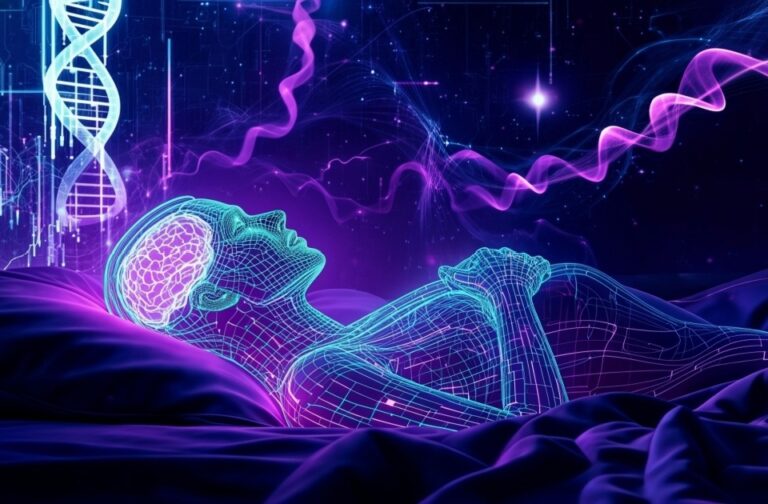
How Your Actions Impact Your Brain Chemistry

While external factors like events and relationships can influence our mood, research supports that our actions also have a profound impact on our brain chemistry. By committing to a few small, intentional actions each day, you actively work towards increasing the levels of these “happy hormones” in your brain.
The Happy Hormones:
Dopamine, Serotonin, Oxytocin, Endorphins
Happy hormones, also known as “feel-good” chemicals or neurotransmitters, are biochemical substances produced by the brain that play a key role in regulating mood, emotions, and overall well-being. These hormones contribute to feelings of happiness, pleasure, and satisfaction.
Dopamine
Dopamine is often referred to as the “reward neurotransmitter” because it’s released in response to pleasurable experiences or anticipation of rewards. It plays a crucial role in motivation, focus, and feelings of pleasure. Activities such as accomplishing goals, and engaging in enjoyable activities can trigger the release of dopamine.
Complete a task!
Since completing a task triggers dopamine, try making a todo list for your day and crossing off items as they are completed. Break larger projects down into smaller components to get that feeling of completion satisfaction more frequently.
Serotonin
Serotonin is known as the “happiness hormone” because it helps regulate mood and promote feelings of well-being and contentment. It’s involved in regulating sleep, appetite, and digestion, and is also important for social behavior and emotional balance. In addition to exercise, sunlight exposure boosts serotonin levels.

Get some sun!
Consider dedicating a few additional minutes to outdoor activities each day. If committing to a daily routine feels overwhelming, aim for spending at least 15 minutes in the sun a few times a week.
Oxytocin
Oxytocin is often called the “love hormone” because it’s released during social interactions, particularly during moments of intimacy, trust, and connection. It promotes bonding between individuals, fosters feelings of empathy and trust, and helps reduce stress and anxiety. Hugging, cuddling, and acts of kindness can stimulate oxytocin release.

Give a hug and a compliment!
Since physical touch can release oxytocin, hug your children, spouse, pets, and friends. Compliments and random acts of kindness will put a smile on another’s face as well and some oxytocin fueled happiness in your brain.
Endorphins
Endorphins are natural painkillers produced by the brain in response to stress or discomfort. They help reduce pain and induce feelings of euphoria and well-being. Endorphins are released during activities such as exercise and laughter.

Laugh!
Watch a funny show or read a funny story. Personally, I like watching Saturday Night Live sketches on YouTube for my funny fix.

Move!
Participate in some physical activity daily. Moderate to intense is best for boosting endorphins but any physical activity has this potential.
Food and Happy Hormones
It’s always best to eat a healthy, varied diet and avoid processed sugars but certain foods can have a positive impact on hormone levels.
- Dopamine release is associated with dairy, legumes, eggs, soy, almonds, and meat.
- Increased Serotonin levels have been linked to foods high in tryptophan. Milk proteins contain the highest levels of tryptophan but it can be sourced from egg yolks, meat, fish, turkey, peanuts, almonds, dried dates, bananas, cottage cheese and other high protein foods as well.
- Endorphin release may be triggered by spicy food! So pour on the chilis.
- Foods containing probiotics, which are beneficial bacteria that promote gut health, can indirectly influence hormone levels through their effects on the gut microbiome. The gut microbiome plays a crucial role in various physiological processes, including hormone regulation. Examples are yogurt, kimchi, and sauerkraut.
As always with making lifestyle changes, start small with an achievable goal. Choose one or two things to incorporate into your day and gradually build upon them as you begin to experience the positive effects on your mood and overall well-being.
We provide in-home assessments in the San Francisco Bay Area. Contact us for a personalized Physical Therapy, Occupational Therapy, or Speech Therapy assessment.
RESOURCES
Did you find this topic interesting? Below are more in depth articles.
- Dopamine: The pathway to pleasure – Harvard Health Publishing
- Dopamine can provide an intense feeling of reward.
- Serotonin: The natural mood booster – Harvard Health Publishing
- When you feel happy and all seems right with the world, you’re feeling the effects of serotonin.
- Endorphins: The brain’s natural pain reliever – Harvard Health Publishing
- Endorphins can also release stress and create a feeling of well-being.
- Oxytocin: The love hormone – Harvard Health Publishing
- Oxytocin can help us bond with loved ones and can be released through touch, music, and exercise.
- How to Hack Your Hormones for a Better Mood – Healthline.com
- Hack Your Brain to Boost Happiness by Monitoring These 4 Hormones – CNET.com
- The Hormones That Boost Happiness – Psychology Today
- The 4 Happy Hormones – @RashmiShetty
- Habits of a Happy Brain: Retrain Your Brain to Boost Your Serotonin, Dopamine, Oxytocin, & Endorphin Levels – Book by Loretta Graziano Breuning
Joanne Bedwell, PT is the Resident Blogger at Be Active Be Well. She lives and works in San Francisco with her husband and two (almost) grown daughters. Having over 25 years of experience as a physical therapist, she sees clients in their homes and teaches fitness classes in person and virtually.
DISCLAIMER: This article contains information that is intended to help the readers be better informed regarding exercise and health care. It is presented as general advice on health care. Always consult your doctor for your individual needs. Before beginning any new exercise program it is recommended that you seek medical advice from your personal physician. This article is not intended to be a substitute for the medical advice of a licensed physician. The reader should consult with their doctor in any matters relating to his/her health.