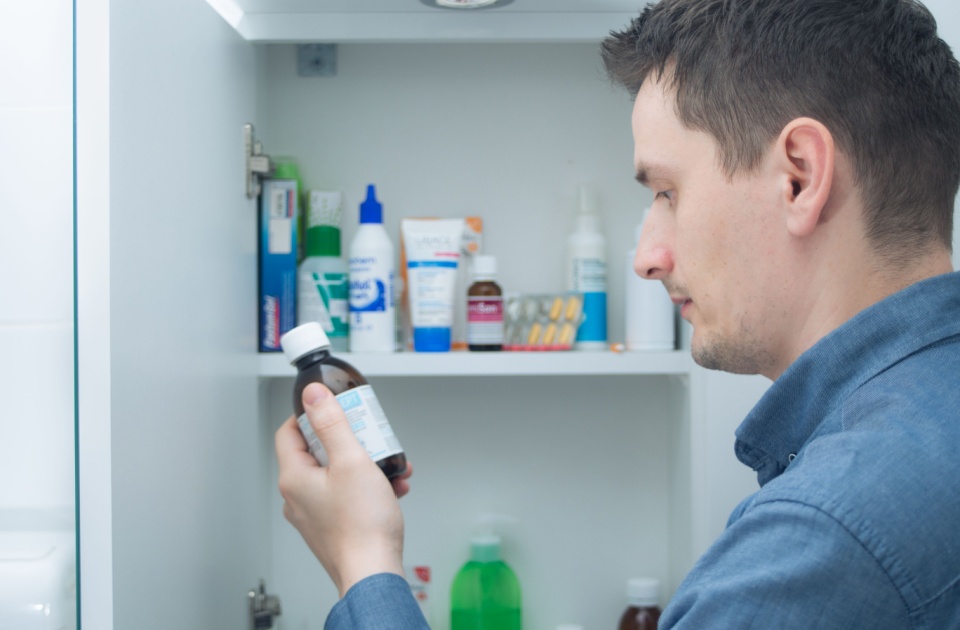
Have you ever reached for your trusted headache or cold medicine, only to realize its expired? What exactly does that expiration date mean?
In 1979, the U.S. Food and Drug Administration (FDA) began requiring drug manufacturers to include expiration dates on medications. These dates indicate the period during which a medication is expected to retain its strength, quality, and purity—provided it is stored as directed.
How are expiration dates determined?
However, manufacturers rarely conduct extensive testing to determine the exact point when a medication begins to degrade. Instead, they often select a conservative expiration date—typically three years from the manufacturing date—and verify that the drug remains potent within that timeframe.
A 2012 study published in the Journal of the American Medical Association (JAMA) examined several common medications that were decades past their expiration dates. Researchers found that 86% still contained the intended concentrations of their active ingredients.
Are your expired medications safe?
In an interview, the study author explained, “I’m not aware of any medications that become toxic once they pass their expiration date. That means you typically don’t have to worry that an expired drug will make you sick. However, because some drugs do lose potency over time, expired drugs may do some harm by not working the way you expect them to.”
Does this mean it’s safe to use any expired medication in your medicine cabinet? According to the FDA, using expired medications can be risky and may even harm your health.
Readers should talk to a pharmacist or healthcare provider if they have questions about specific medications.
Safe Medication Storage
Time isn’t the only factor affecting medication potency—sunlight, heat, and moisture also play significant roles. Medications should generally be stored in a cool, dry place, away from sunlight. While the bathroom is a common storage location, its frequent humidity can compromise medication stability.
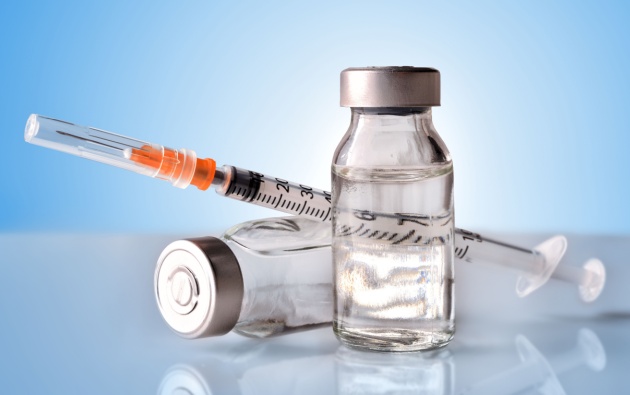
Even if a medication hasn’t expired, ask yourself: has it been stored properly? Improper storage could make it less effective or unsafe to use. Some medications are more stable than others. For instance, over-the-counter pain relievers in tablet form can handle typical conditions, while insulin requires refrigeration to remain effective. Similarly, medications should not be left in a hot car.
Additionally, many medications are meant to remain sterile, like eye drops or contact lens solutions. Once opened, these products are more vulnerable to bacteria and contamination, which can pose serious risks.
Summary
By following these guidelines, you can ensure your medications remain safe and effective for when you need them most.
- ALWAYS FOLLOW THE INSTRUCTIONS OF YOUR DOCTOR OR PHARMACIST regarding medication safety, storage, and expiration.
- STORE MEDICATIONS IN A COOL DRY PLACE away from sunlight, such as a drawer or cabinet, unless otherwise stated on the label.
- AVOID STORING MEDICATIONS IN AREAS PRONE TO MOISTURE OR EXTREME TEMPERATURES, like the bathroom, kitchen, or car.
- KEEP BOTTLE CAPS TIGHTLY CLOSED to reduce the risk of contamination and maintain medication efficacy.
- ENSURE MEDICATIONS ARE OUT OF REACH OF CHILDREN AND PETS to prevent accidental ingestion or harm.
- INSPECT LIQUID MEDICATIONS REGULARLY. Discard them if they look cloudy, discolored, or show signs of separation, as these may indicate spoilage.
- DISPOSE OF EXPIRED medications responsibly. Follow proper disposal guidelines for expired or unused medications to avoid harm to others or the environment. Consider using drug take-back programs or following FDA-approved disposal methods.
Be Active Be Well
Contact us for a personalized Physical Therapy, Occupational Therapy, or Speech Therapy assessment. We provide in-home consultations in the San Francisco Bay Area: Santa Clara, San Mateo, San Francisco, and Marin Counties.
RESOURCES
Did you find this topic interesting?
Stability of Active Ingredients in Long-Expired Prescription Medications – Journal of the American Medical Association (JAMA). Cantrell, et al 2012
Drug expiry debate: the myth and the reality – African Health Sciences Journal. September 2019
Are drug expiration dates meaningless? – Vox by Keren Landman, MD Dec 5, 2024. That Tylenol’s shelf life is longer than you think.
Don’t Be Tempted to Use Expired Medicines – US Food & Drug Administration, October 2024
Expiration Dates – Questions and Answers – US Food & Drug Administration, October 2022
Storing and Disposing Medicines – ConsumerMedSafety.org
Expiration Dates – Questions and Answers – US Food & Drug Administration, October 2022
The Myth of Drug Expiration Dates – ProPublica by Marshall Allen, July 18, 2017. Hospitals and pharmacies are required to toss expired drugs, no matter how expensive or vital. Meanwhile the FDA has long known that many remain safe and potent for years longer.
Joanne Bedwell, PT is the Resident Blogger at Be Active Be Well. She lives and works in San Francisco with her husband and two (almost) grown daughters. Having over 25 years of experience as a physical therapist, she sees clients in their homes and teaches fitness classes in person and virtually.
DISCLAIMER: This article contains information that is intended to help the readers be better informed regarding health care issues. It is presented as general advice on health care and is not intended to be a substitute for the medical advice of a licensed physician. The reader should consult with their doctor in any matters relating to his/her health.