Stay Active and Independent

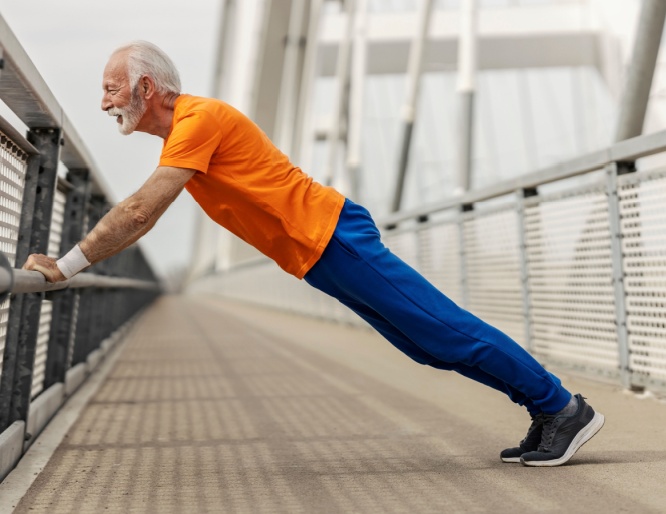
Only one-third of older adults meet the recommended guidelines for physical activity—and even fewer include power training in their routine. But maintaining your ability to move quickly and confidently is just as important as building strength or endurance. Power—the ability to use strength fast—is key to staying active, independent, and doing the things you love. Whether it’s getting up from a chair, climbing stairs, or catching yourself from a stumble, power matters. And that’s where plyometric training comes in.
Strength vs. Power: What’s the Difference?
Strength is the ability to move or resist force—think of slowly lifting a heavy box.
Power, on the other hand, is strength expressed quickly—like when you jump, push off a step, or catch yourself from a fall. It’s about how fast you can use your strength, and it’s closely linked to everyday function, mobility, and fall prevention.
Why Is Power Important for Aging Adults?
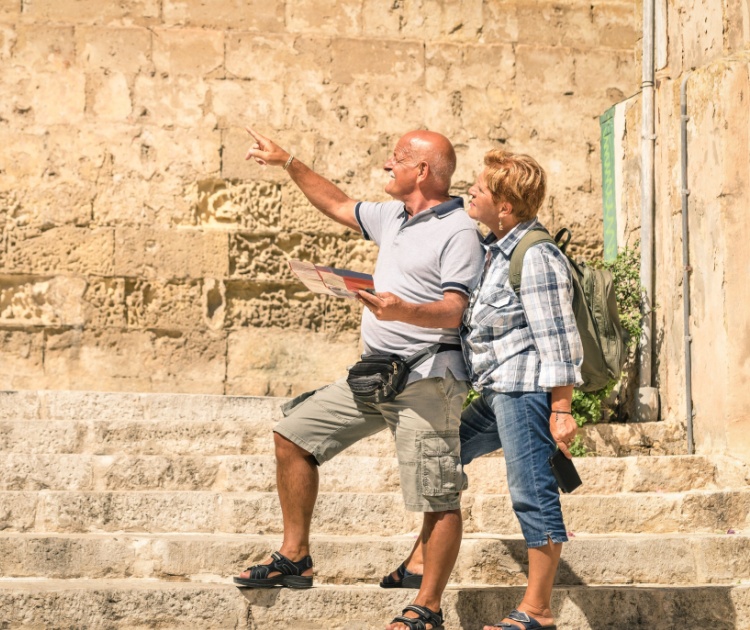
As we age, power declines faster than strength. This matters because many everyday tasks—getting up from a chair, climbing stairs, catching yourself from tripping—require bursts of power. By maintaining or improving power, we improve our ability to stay active and independent longer.
What Is Plyometric Training?
Plyometric training is a type of exercise designed to increase power. It includes quick, explosive movements like jumping, bounding, and hopping. For the upper body, it might include pushups with a clap or medicine ball slams. And while it might sound like something only athletes do,
plyometric training is highly beneficial—and surprisingly safe—for older adults when done correctly.
But Isn’t Jumping Dangerous for Bones?
Fear of fracture is common, especially among older adults with osteoporosis or low bone density. However, research shows that long-term, high-resistance and plyometric training is just as safe—with superior bone adaptation-related outcomes—as lower-impact options. When properly implemented, the risks of these exercises are far smaller than those associated with physical inactivity.
Plyometrics and Osteoporosis: Can I Do Them?
Maybe, with modifications and guidance.
Plyometric exercises can stimulate bone formation, which is crucial for maintaining or increasing bone density. They also improve balance, coordination, and muscle strength—all key factors in reducing fall risk.
But the high-impact nature of traditional plyometric exercises does require caution. For those with osteoporosis, this stress could increase the risk of fracture if not properly managed. That’s why it’s essential to work with a professional and start with modified versions—such as mini squat jumps and side-to-side hops performed on a soft surface or in a pool. These alternatives can offer many of the same bone-building benefits with far less risk.
Getting Started: A Sample Beginner Plyometric Program
If you’re new to plyometrics, here’s a safe and effective way to begin:
General Guidelines:
- Start with 1–4 exercises
- Perform at least 2 sets of 3–10 reps per exercise
- Rest at least 60 seconds between sets
- Aim for 25 or more total reps per session
Lower Body:
(Click on the GREEN video links to see examples of each exercise)
- Stand with feet hip width apart
- Bend knees pushing hips back and down as if you are going to sit in a chair
- Push through your heels to rise powerfully
- To start simply lift heels off the ground without jumping until you build strength and confidence
- Stand in front of a step of any height (start low and work up to higher steps)
- Place one foot on the step
- Push up through this foot
- Repeat on the other side
- Progress from heel raise to a hop at the top as you gain strength and confidence
3. Box Jump
- Stand with feet hip width apart in front of a low sturdy platform (start as low as 1-2 inches and work up to higher platforms)
- Bend your knees and push your hips back, swinging your arms behind you to gain momentum.
- Jump up in one explosive movement, using your arms for momentum.
4. Lateral Hop
- Stand on your RIGHT leg
- Pressing through your RIGHT leg jump a small distance to the LEFT
- Land on you LEFT absorbing the jump by slightly bending the LEFT knee
- Repeat to the other side
- Increase the lateral distance as you gain strength and confidence
Upper Body:
- Place your hands on a wall, counter, sofa, or floor
- Position yourself in a high plank with gluts and abs braced
- Bend your elbows brining your chest toward the surface
- Straighten elbows explosively pressing your hands away from the surface
- When your hands regain contact with the surface, slowly lower yourself in a controlled manner
- Start in a half kneeling position with the RIGHT knee up
- Swing the ball up over your head and “Slam” it down to the ground on your RIGHT side
- Repeat several times and then switch to LEFT knee up with slams to the LEFT
If you’re unsure where to start or want personalized guidance on how to incorporate plyometrics safely into your routine, our team of experienced physical therapists at Be Active Be Well can help. We specialize in providing customized home physical therapy plans tailored to your unique needs, ensuring you train safely while improving strength, power, and overall mobility. Contact us today to schedule a consultation and take the next step toward staying active and independent.
Final Thoughts
Power training—especially through plyometrics—is not just for the young or athletic. When adapted and supervised appropriately, it offers significant benefits for older adults, including stronger bones, better balance, and enhanced quality of life. If you’re unsure where to start, consult a physical therapist or qualified fitness professional to help tailor a program that’s safe and effective for you.
If you feel sharp or sudden pain, it may indicate that you’re placing too much stress on your bones or joints. Talk with your healthcare provider to adjust your exercise plan and prevent injury.
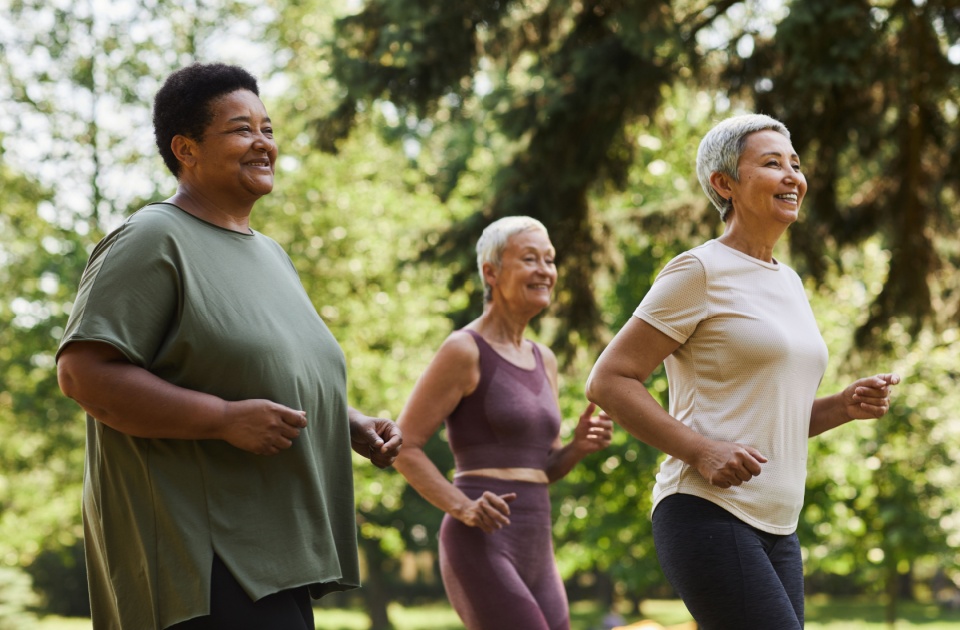
Don’t let age or fear of injury keep you from moving with power—staying active and strong will benefit both your body and your bones for years to come.
Be Active Be Well
Serving the San Francisco Bay Area—including Santa Clara, San Mateo, San Francisco, and Marin Counties—we bring compassionate, evidence-based care right to your doorstep.
Let’s work together to keep your body in motion. Contact us today to get started!
RESOURCES
Interested in learning more? Explore these in-depth articles for deeper insights.
- Aging Strong: Should We Be Utilizing Resistance and Plyometric Training in Our Older Adult Patients? – Troy Merchel, SPT, CSCS, The Journal of Orthopaedic and Sports Physical Therapy, February 2024
- Effects of Jumping Exercise on Muscular Power in Older Adults: A Meta-Analysis – Moran J, Ramirez-Campillo R, Granacher U., Sports Med., December 2018
- The Role of Plyometric Exercises in Bone Health: Can Jump Training Strengthen Fragile Bones? – MSK Doctors, London, Blog post August 2024
- The 5 Best Plyometric Exercises for Older Adults – American Council on Exercise (ACE), December 2023
- These Explosive Exercises Can Help You Age Well – Alyssa Ages, The New York Times, March 2025
Joanne Bedwell, PT, is the Resident Blogger at Be Active Be Well. Based in San Francisco, she lives with her husband and two nearly grown daughters. With over 25 years of experience as a physical therapist, she provides in-home client care and teaches fitness classes both in person and online.
DISCLAIMER: This article is intended to provide general information to help readers make informed decisions about exercise and health. It is not a substitute for professional medical advice, diagnosis, or treatment. Always consult your physician or another qualified health provider before starting any new exercise program or making changes to your health care. Never disregard or delay seeking medical advice because of something you have read in this article.