When I was a child, I remember fumbling sleepily into the bathroom one morning and being startled to find a set of teeth floating in a glass. They were my grandpa’s dentures. Grandpa, who amazingly enough, lived to be 99 years old, also lived much of his life without his own teeth. By his early 40s, he had lost all of his teeth to decay. Grandpa wore dentures more than half his life!
Those floating teeth remind me of my own oral health. Growing up, I hated to floss my teeth. It just felt like such a hassle and it made my gums sore because I didn’t do it regularly. I ended up spending years at the dentist office repairing the damage that my lack of flossing had caused. Now as an adult, I wear clear retainers to keep my teeth from crowding. This means I have to floss and brush after every meal/snack to keep my teeth and my retainers clean and free of bacteria. My oral health has definitely improved.
Our mouths need extra attention the older we get. Aging adults are more prone to dry mouth, loss of taste, tooth decay and loss, gum disease, mouth cancer and other oral ailments. We often think of teeth as purely cosmetic, but oral health is about more than just straight teeth. Poor oral health at the least will cause bad breath from gum disease and tooth decay. These issues can make eating difficult and lead to malnourishment and deficiencies. Poor oral health can even cause heart problems and pneumonia. Genetics do affect our teeth and mouth to some degree. Crooked or crowded teeth, the shape and size of your jaw, and even the strength of your enamel can be influenced by genes. But that doesn’t mean we can’t be proactive to improve our health.
Regular dentist visits and teeth cleanings are a proactive way to maintain oral health. Your dentist will check for signs of gum disease and mouth cancer at each visit, and take regular x-rays to monitor the health of your teeth and their roots. Your dentist may also suggest braces, retainers, or other tools to fix crowded teeth or fill in gaps that might lead to tooth and bone decay.
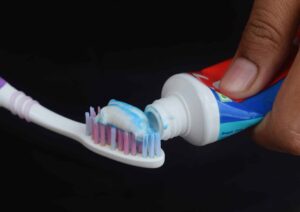
Daily brushing, flossing and mouthwash may seem tedious, but will be one of the most powerful ways to maintain strong, healthy teeth and gums. This habit keeps bacteria at bay and reduces plaque build up.
Talk to your doctor about changes in your mouth. Dry mouth, changes in your ability to taste, etc can be typical of the aging process, but it’s still important to discuss these symptoms with your doctor. Such changes can make eating more difficult or less enjoyable. Your doctor and dentist can offer helpful suggestions.
Adjust your diet. Eat less sugar and drink more water. Eat calcium-rich foods like seeds, yogurt, sardines and salmon, beans and lentils, leafy greens, etc. Cut out foods that irritate your gums. For example, highly acidic food and drink can cause mouth ulcers and weaken tooth enamel.
Cut out tobacco. According to the CDC, people who smoke are 3 times more likely to lose all of their teeth. Chewing tobacco also can cause health problems.
Care for your mouth wear. If you wear dentures or other dental appliances, keep them clean. Use the correct cleaners and products to regularly sanitize your mouth appliances and keep them in good working order. If you experience pain or discomfort from them, talk to your dentist about it.
Don’t ignore your mouth. Practice daily oral hygiene and get professional help, too. If you need it, research affordable dental insurance options. A healthy mouth plays an important role in a healthy you.
–Bethany Sellai is the Resident Blogger at Be Active Be Well. She lives with her husband, three sons and one very lazy Shih Tzu, in the Central Valley where she creates social media & blog content from her little craftsman bungalow and tries to keep herself and her family as active and well as possible.
DISCLAIMER: This article contains information that is intended to help the readers be better informed regarding exercise and health care. It is presented as general advice on health care. Always consult your doctor for your individual needs. Before beginning any new exercise program it is recommended that you seek medical advice from your personal physician. This article is not intended to be a substitute for the medical advice of a licensed physician. The reader should consult with their doctor in any matters relating to his/her health.