How hip strength and alignment influence knee pain, stability, and long-term function
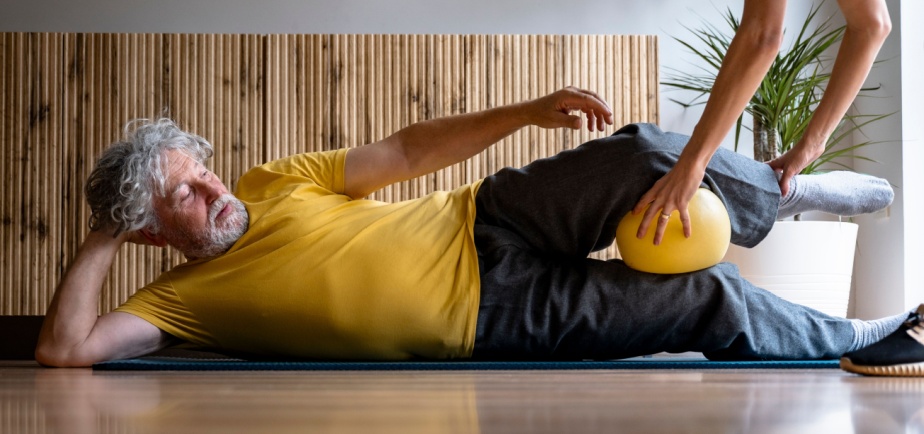
If you’ve gone to physical therapy for knee pain, you may have had this exact thought:
“My knee hurts, so why is my PT obsessed with my hips?”
You’re not alone. It can feel confusing (and even frustrating) when the area that hurts isn’t the area getting all the attention. But there’s a very good reason for it, and it has everything to do with how your body moves as a system.
The Knee Doesn’t Work Alone
Let’s break this down in simple terms.
Your knee is a hinge joint. It’s excellent at bending and straightening, but it’s not designed to control a lot of side-to-side or twisting forces. That job belongs largely to the hip.
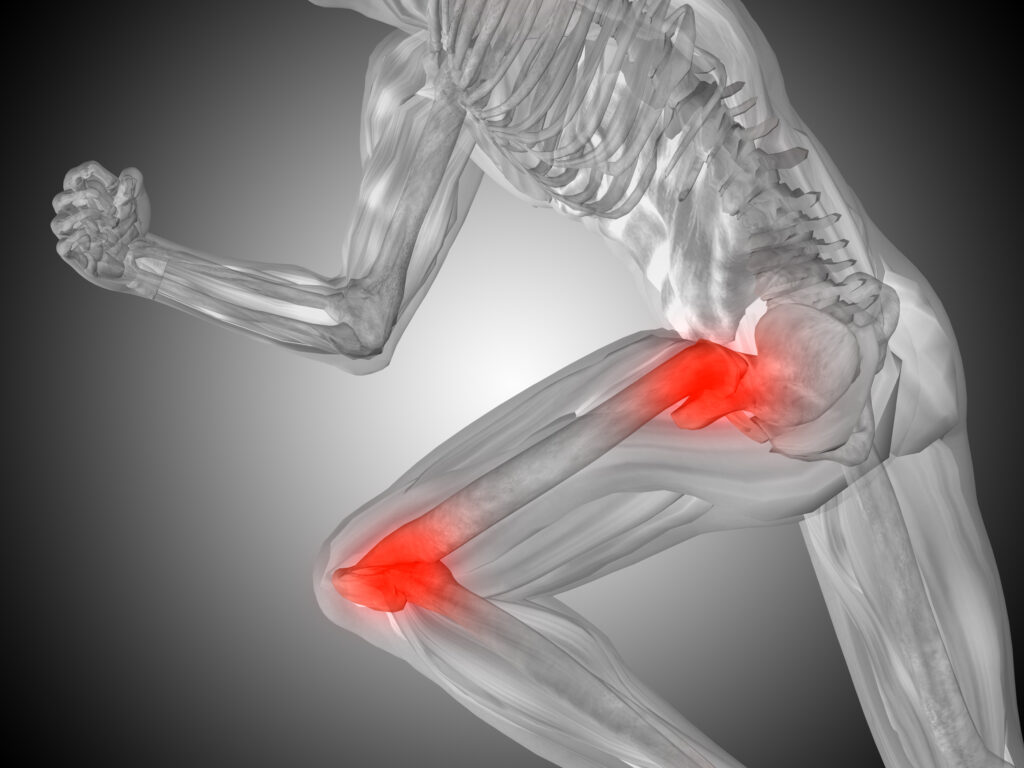
Here’s how the chain works:
- The hip controls the thigh bone (femur)
- The femur controls how the knee lines up and tracks
- When the hip muscles are weak or slow to respond, the knee ends up absorbing extra stress
So even though the pain shows up in your knee, the problem may be coming from higher up.
What Weak Hips Look Like in Real Life
This isn’t just theoretical, it shows up in everyday movement.
Stairs
Weak hip muscles (especially the gluteus medius) can allow the knee to collapse inward when you step up or down. Over time, that poor alignment irritates the knee joint.
Walking or standing
If your hip extensors aren’t doing their job, the front of the knee often works overtime to keep you upright. This leads to pain right around or under the kneecap.
Sit-to-stand or squatting
Without good hip stability, the knee takes on forces it wasn’t meant to handle, which can quickly flare symptoms.
The good news? When hip strength and control improve, many people notice less knee pain during walking, standing, squatting, and daily activities.
Knee Conditions Commonly Linked to Weak Hips
Research and clinical experience consistently show strong links between hip weakness and several common knee issues, including:
- Patellofemoral pain (pain around or behind the kneecap)
- IT band syndrome
- Arthritis flare-ups, especially with walking or stairs
- Overuse injuries related to running, cycling, or repetitive movement
In these cases, the knee is often reacting to poor mechanics rather than being the original source of the problem.
What the Research Tells Us
Study after study has shown that people with knee pain often demonstrate reduced hip strength and poor hip control, particularly in the muscles that stabilize the pelvis and control the femur.
That’s why your physical therapist doesn’t just chase symptoms, they look up and downstream. Addressing hip strength, endurance, and movement control helps reduce abnormal forces at the knee and supports better long-term outcomes.
Your PT Isn’t Ignoring Your Knee—They’re Protecting It
This part matters.
When your physical therapist focuses on your hips, they’re not dismissing your knee pain. They’re working to offload the knee, improve alignment, and create a more supportive foundation for movement.
Think of it like fixing the alignment of a car. You don’t just replace the worn tire, you correct what caused it to wear unevenly in the first place.
What You Can Do Next
If you’re in PT and wondering why hip exercises are part of your knee rehab:
- Ask your therapist how your hip strength affects your knee mechanics
- Pay attention to how movements feel as hip strength improves
- Commit to the exercises, even if they don’t target the knee directly
Understanding the why behind your treatment plan can make rehab feel more purposeful and often more successful.
Strong hips help protect your knees. When your PT focuses on your hips, they’re helping your knee move better, hurt less, and stay healthier for the long run.
Be Active Be Well
Ready to get moving again—safely and confidently?
Whether you’re dealing with chronic pain, recovering from an injury, or simply feeling stuck, our expert team is here to help. We offer personalized Physical Therapy, Occupational Therapy, and Speech Therapy assessments, all from the comfort of your home.
Serving the San Francisco Bay Area—including Santa Clara, San Mateo, San Francisco, and Marin Counties—we bring compassionate, evidence-based care right to your doorstep.
Let’s work together to keep your body in motion and your mind at ease. Contact us today to get started!
Joanne Bedwell, PT, is the Resident Blogger at Be Active Be Well. Based in San Francisco, she lives with her husband and two nearly grown daughters. With over 25 years of experience as a physical therapist, she provides in-home client care and teaches fitness classes both in person and online.
DISCLAIMER: This article is intended to provide general information to help readers make informed decisions about exercise and health. It is not a substitute for professional medical advice, diagnosis, or treatment. Always consult your physician or another qualified health provider before starting any new exercise program or making changes to your health care. Never disregard or delay seeking medical advice because of something you have read in this article.