November is Alzheimer’s Awareness Month!
In this blog, I will explore the inspiring 2014 Sundance Film Festival winning documentary “Alive Inside” and discuss a strategy that can make a positive impact on the lives of those affected by Alzheimer’s disease and dementia.
Alive Inside – 2014 Sundance Film Festival winning documentary
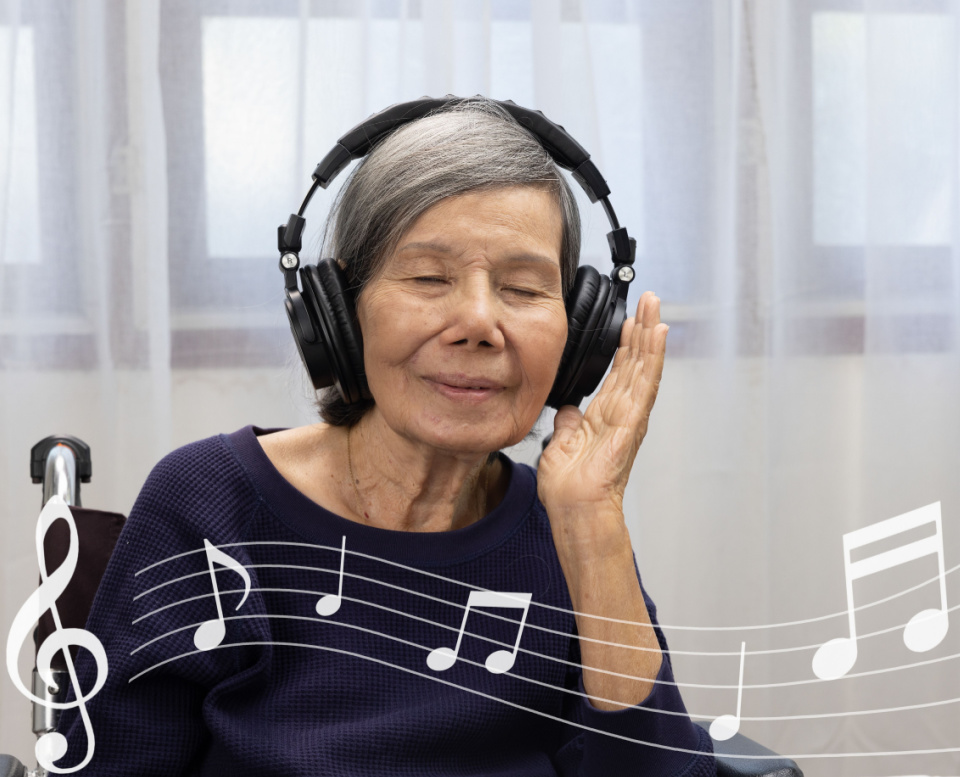
“Alive Inside” is a thought-provoking documentary directed by Michael Rossato-Bennett that provides a captivating portrayal of the impact music can have on individuals with Alzheimer’s disease. The film is a heartwarming Journey that follows social worker Dan Cohen as he introduces personalized music playlists to individuals with Alzheimer’s disease and other dementias, observing how it awakens their memories, emotions, and rekindles their inner selves.
Music and Memories
In the film, British neurologist and naturalist, Dr. Oliver Sacks, explains that music acts as a “backdoor” into the brain. Musical memories are strong and music activates more parts of the brain than any other stimulus. The parts of the brain that are involved in remembering and responding to music are some of the last to be affected by Alzheimer’s disease.
Quality of Life
Alive Inside makes it clear that music is not a cure but rather an intervention that can improve the quality of life for individuals in nursing homes and those dealing with dementia. Nursing homes can be confusing and isolating even without the effects of dementia. Giving an individual something familiar, music, can restore a measure of individuality and sense of self.
Pharmacological vs. Non-pharmacological
Individuals with dementia can experience periods of agitation for which antipsychotics and sedatives are, at times, prescribed. These medications cause lethargy, drowsiness, and even often more confusion. The film makes the case that if mood and behaviors can be managed with music therapy, less medication therapy with its side effects is needed.
In addition to side effects, medications are far more expensive than a personalized music system, yet insurance companies persist in paying for medications rather than the much smaller one time cost of the music system. At the time of the film, 2014, it was estimated the cost of a personal music system (headphones and an iPod) to be $40. Whatever the current cost, it is almost certainly much less expensive than ongoing medication therapy.
The Benefits of Music Therapy
According to the American Music Therapy Association, pharmacological remedies for behaviors and psychological symptoms of dementia cause side effects (e.g., nausea, agitation, sleep difficulties). Studies have shown that non-pharmacologic treatments pose fewer side effects and music therapy has been effective in reducing these symptoms. Research on music therapy in the treatment of memory disorders has shown the following benefits:
♦ Decreased depression & improved mood
♦ Decreased anxiety & agitation
♦ Decreased medication
♦ Increased alertness & orientation
♦ Enhanced cognition & memory recall
♦ Improved communication & meaningful socialization
♦ Improved sleep & appetite
♦ Reduced caregiver stress
Personalized Music Playlists
As seen in the documentary, personalized music playlists tailored to an individual’s preferences and memories can be a powerful tool for individuals with Alzheimer’s and other dementias. Music has a unique ability to evoke memories and emotions, even in those with advanced stages of the disease. By creating personalized playlists, caregivers and loved ones can help stimulate connections and improve well-being.
Create a Personalized Music Playlist
Is there someone in your care that would benefit from the power of personalized music?
At the Music & Memory website Resources page you can request a FREE brochure. The Alzheimer’s Association Art and Music page also has tips.
- Start with a 20-30 song playlist from the individual’s youth.
- Identify music that’s familiar and enjoyable to the person. If possible, let the person choose the music. If you don’t know what music they liked, start with top songs from when they were 15-25 years old and see how they respond.
- Choose a source of music that isn’t interrupted by commercials, which can cause confusion.
- Use music to create the mood you want. For example, a tranquil piece of music can help create a calm environment, while a faster paced song may boost spirits and evoke happy memories.
- Try offering the music for 30 minutes at a time as often as needed or enjoyed.
- Offer proactively before medical appointments or social engagements.
- Encourage movement (clapping, dancing) to add to the enjoyment.
- Avoid sensory overload; eliminate competing noises by shutting windows and doors and by turning off the television. Make sure the volume of the music is not too loud.
As we observe Alzheimer’s Awareness Month, I urge you to watch Alive Inside if you have not already, or recommend it to a friend.
Let’s spread awareness, understanding, and compassion this month and beyond!
REFERENCES
Did you find this topic interesting? Below are more in depth articles:
- Memory and Music Organization
- Alzheimer’s Association
- Music Intervention Approaches for Alzheimer’s Disease: A Review of the Literature – NIH National Library of Medicine
- FactSheet – Music Therapy and Dementia Care – American Music Therapy Association
- Antipsychotics and other drug approaches in dementia care – Alzheimer’s Society UK
- Reducing and managing behaviour that challenges – Alzheimer’s Society UK
Joanne Bedwell, PT is the Resident Blogger at Be Active Be Well. She lives and works in San Francisco with her husband and two (almost) grown daughters. Having over 25 years of experience as a PT, she sees clients in their homes and teaches fitness classes in person and virtually.
DISCLAIMER: This article contains information that is intended to help the readers be better informed regarding exercise and health care. It is presented as general advice on health care. This article is not intended to be a substitute for the medical advice of a licensed physician. The reader should consult with their doctor in any matters relating to his/her health.
We provide in-home assessments in the San Francisco Bay Area. Contact us for a personalized Physical Therapy, Occupational Therapy, or Speech Therapy assessment.