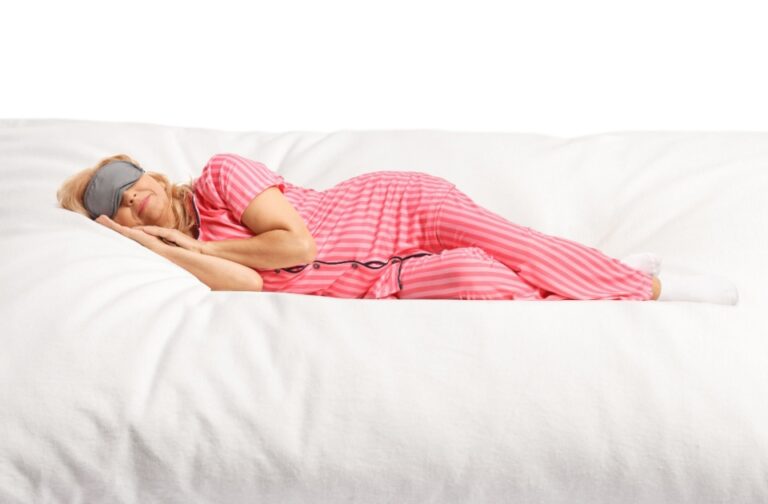
12 Signs and Simple Ways to Sleep Better

Are You Sleep Deprived?
Many people believe they function just fine on less sleep.
The reality? The body adapts to chronic sleep deprivation, making it harder to recognize when you’re running on empty. What feels “normal” may actually be your baseline level of fatigue. Sleep deprivation can show up in a variety of physical, mental, and emotional ways.
A Quick Self-Check: Are You Sleep Deprived?
Ask yourself:
Do you…
- Feel sleepy or struggle to stay awake when watching TV or reading?
- Rely on caffeine to get through the day?
- Feel mentally foggy or have trouble concentrating?
- Forget names, appointments, or small details?
- Feel more irritable or emotionally reactive than usual?
- Crave sugary or high-carbohydrate foods?
- Feel physically drained, even after a full night in bed?
- Yawn frequently during the day?
- Take naps just to get through the afternoon?
- Need multiple alarms to wake up?
- Feel unmotivated or less coordinated than usual?
If you answered “yes” to several of these, your body may be telling you something important: you’re not getting enough restorative sleep.
These symptoms often develop gradually and can become your “new normal,” which is why sleep deprivation is so easy to miss.
Let’s Talk About Naps
The Downside of Relying on Napping
Naps can be helpful but they’re not a substitute for quality nighttime sleep. Relying on naps regularly may also make it harder to fall asleep at night, creating a cycle of poor sleep. A few hours of sleep at night plus a daytime nap might seem like enough, but sleep doesn’t work that way. We need to move through full sleep cycles—about 90 minutes each—multiple times per night to get the deep, restorative sleep our bodies and brains require.
Short naps (less than 90 minutes) typically only include the lighter stages of sleep, not the deeper phases that are most restorative.
The Upside of Napping
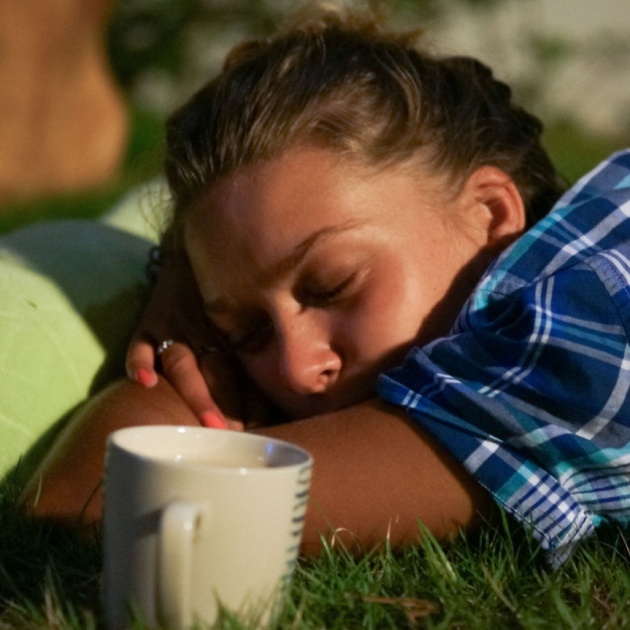
When used occasionally, naps can be a helpful tool. When you haven’t gotten a great night of sleep and you need to function, a short nap can be helpful.. A 20- to 30-minute nap can restore alertness without leaving you groggy or disrupting your sleep the next night.
A 20–30 minute nap can:
- Improve alertness
- Enhance reaction time
- Support memory
Give a Coffee Nap a try; having caffeine right before a short nap to boost alertness upon waking.
The key is to use naps occasionally, not as a daily replacement for sleep.
Why This Matters
Chronic sleep deprivation doesn’t just affect how you feel. It affects how your body functions.
Over time, poor sleep can impact:
- Brain health and memory
- Mood and emotional regulation
- Metabolism and weight
- Heart health
- Immune function
Sleep is not optional. It’s foundational.
How to Sleep Better
The good news? Small, consistent changes can dramatically improve sleep quality.
If you need additional guidance, The Sleep Foundation offers excellent resources on sleep habits, sleep hygiene, and practical tools to improve sleep.
- Sleep Habits
- Sleep Aids
Simple Habits That Work
1. Keep a Consistent Routine
Go to bed and wake up at the same time each day, even on weekends.
2. Get Daylight Exposure
Natural light helps regulate your internal clock. Aim for morning light whenever possible.
3. Move Your Body
Regular exercise supports deeper, more restorative sleep. Even a daily walk helps.
4. Watch Caffeine and Late Eating
Limit caffeine in the afternoon and evening, and avoid heavy meals close to bedtime.
5. Create a Sleep-Friendly Environment
Keep your bedroom:
- Cool
- Dark
- Quiet
Remove distractions like phones, TVs, and bright screens.
6. Be Mindful with Naps
If you nap, keep it short (20–30 minutes) and earlier in the day.
When we prioritize good sleep we prioritize our well-being
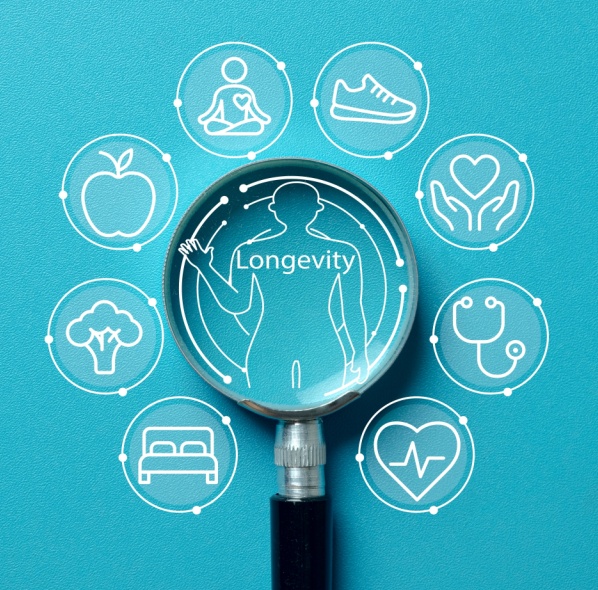
Sleep is a cornerstone of health, affecting virtually every aspect of our physical, mental, and emotional well-being. When we sleep, our bodies and brain undergo a complex and essential series of physiological processes.
The effects of chronic sleep loss can vary from person to person, but in general, consistent inadequate sleep has a significant negative impact on overall health and well-being. Make sleep a priority!
See the full series. Sleep and Healthy Aging: What You Need to Know
Sleep Cycles Explained: What Happens in Your Brain While You Sleep
The Link Between Sleep and Dementia: Why Brain Health Starts at Night
Sleep and Heart Health: The Overlooked Risk Factor for Heart Disease
Are You Sleep Deprived? 12 Signs and Simple Ways to Sleep Better
Be Active Be Well
Ready to get moving again—safely and confidently?
Whether you’re dealing with chronic pain, recovering from an injury, or simply feeling stuck, our expert team is here to help. We offer personalized Physical Therapy, Occupational Therapy, and Speech Therapy assessments, all from the comfort of your home.
Serving the San Francisco Bay Area—including Santa Clara, San Mateo, San Francisco, and Marin Counties—we bring compassionate, evidence-based care right to your doorstep.
Let’s work together to keep your body in motion and your mind at ease. Contact us today to get started!
Joanne Bedwell, PT, is the Resident Blogger at Be Active Be Well. Based in San Francisco, she lives with her husband and two nearly grown daughters. With over 25 years of experience as a physical therapist, she provides in-home client care and teaches fitness classes both in person and online.
DISCLAIMER: This article contains information that is intended to help the readers be better informed regarding health care issues. It is presented as general advice on health care and is not intended to be a substitute for the medical advice of a licensed physician. The reader should consult with their doctor in any matters relating to his/her health.