

Have you ever wondered why some people seem to look young for their age or old for their age?
It may be due to inflammation. I recently listened to a really interesting podcast on aging and the effects of inflammation: Nutrition Professor: How inflammation could age you | Philip Calder produced by ZOE Science & Nutrition.
Aging can be viewed as a condition characterized by chronic, low-level inflammation. Interestingly, when all other factors are held constant, a 60-year-old typically exhibits higher blood levels of inflammatory markers compared to a 30-year-old. The rate at which one ages faster than another is often attributed to the extent of inflammation in their body, influenced by genetic predispositions and lifestyle choices. Notably, inflammation may serve as a significant contributor to the gradual loss of muscle mass observed in the aging process.
GOOD INFLAMMATION
Short-term inflammation serves as a vital component of the body’s immune response to illness, injury, or foreign invaders. It initiates the process necessary for healing and protection.
BAD INFLAMMATION
However, when this acute response is not properly regulated or persists in healthy tissues, it transitions into chronic inflammation, leading to various health issues and diseases. The failure to switch off the inflammatory process can stem from the disease itself, as seen in auto-immune conditions, or from external factors such as diet and lifestyle choices, which can disrupt the signaling mechanisms responsible for inflammation regulation.
Together, inflammatory diseases account for more than half of all deaths globally.
According to the Cleveland Clinic, chronic inflammation is involved in the disease process of many conditions, including:
- Autoimmune diseases, like lupus, rheumatoid arthritis, psoriasis and ankylosing spondylitis
- Cardiovascular diseases, such as heart disease and high blood pressure
- Certain cancers
- Gastrointestinal diseases, like Crohn’s disease and inflammatory bowel disease
- Lung diseases, like asthma and chronic obstructive pulmonary disease (COPD)
- Mental health conditions, such as depression and anxiety
- Metabolic diseases, like Type 2 diabetes
- Neurodegenerative diseases, such as Alzheimer’s disease and Parkinson’s disease

How does lifestyle impact our inflammation?
Most chronic inflammation is caused by environmental and lifestyle factors such as:
- Low levels of physical activity
- Chronic stress
- Obesity
- An imbalance of healthy and unhealthy microbes in your gut
- Regularly eating foods that cause inflammation, such as foods high in trans fat or salt
- Disrupted sleep and circadian rhythm
- Exposure to toxins, including air pollution, hazardous waste and industrial chemicals
- Using tobacco products
- Regularly drinking too much alcohol
FOOD AND INFLAMMATION
The podcast delved into nutrition, emphasizing how our dietary choices can help alleviate the inflammatory burden on our bodies.
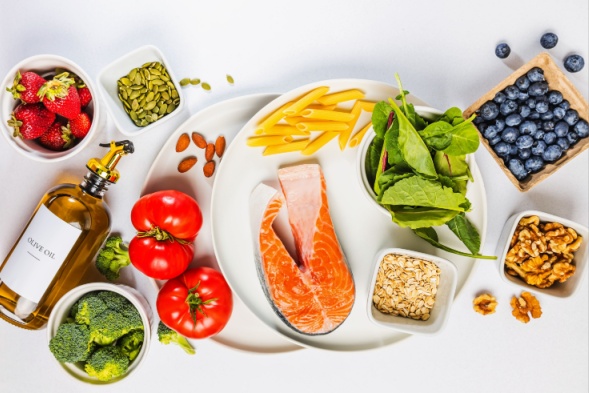
Numerous studies have validated the link between food and inflammation. It’s no surprise that diets abundant in high fats and simple sugars are major culprits in triggering inflammation within the body.

Thus, the initial step toward combating inflammation involves reducing the consumption of these inflammatory foods wherever feasible, while integrating or substituting items known to counteract inflammation. This includes replacing saturated fats with healthier alternatives like extra virgin olive oil , as well as incorporating specific inflammation-fighting foods into your meals. These beneficial additions encompass nuts and seeds, vitamin C-rich foods, omega-3 fatty acids, dietary fiber, plant-derived polyphenols, and the spice turmeric.
The importance of omega-3 fatty acids in our diet.
An essential insight from the podcast underscores the significance of integrating omega-3 fatty acids into your dietary regimen.
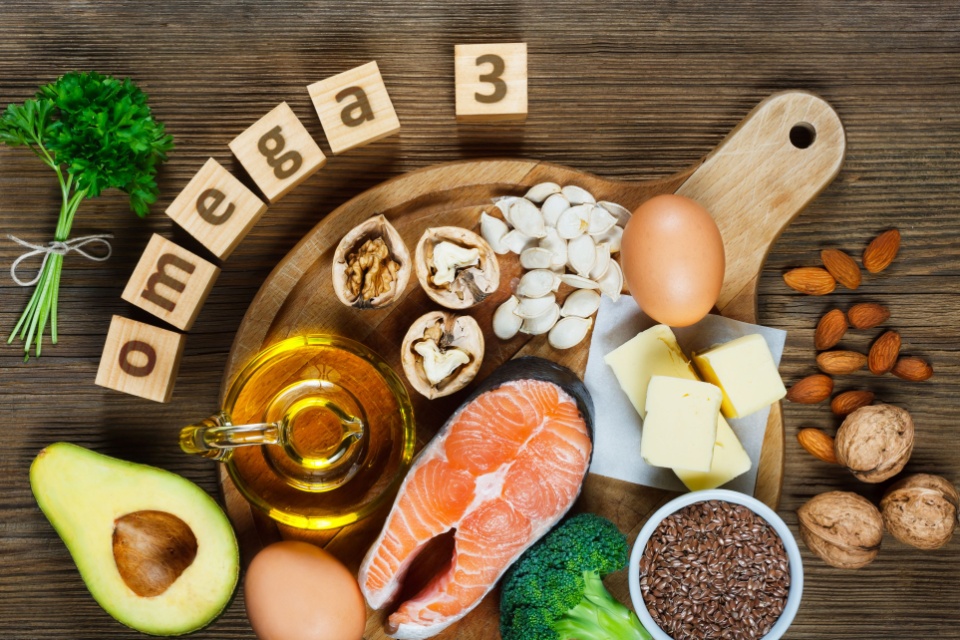
Omega-3 fatty acids, specifically EPA and DHA, are key in making chemicals in the body that turn off inflammation. Thus helping to resolve the existing inflammation.
It’s never too late to make dietary changes. If you do nothing else, add some omega-3 rich foods to your diet such as oily fish, flaxseeds, chia seeds, and walnuts.
By recognizing inflammation not merely as a symptom but as a central player in the aging process, we empower ourselves to make informed decisions that can mitigate its adverse effects. Whether it’s through incorporating inflammation-fighting foods rich in omega-3 fatty acids or addressing lifestyle factors like stress and physical activity, each step taken towards reducing chronic inflammation is a step towards enhancing our quality of life.
REFERENCES
Did you find this topic interesting? Below are more in depth articles.
- Nutrition Professor: How inflammation could age you | Philip Calder – Zoe Science & Nutrition
- Inflammation – The Cleveland Clinic
- Mayo Clinic Q and A: Turmeric for healthier diet – The Mayo Clinic
- ZOE Science & Nutrition – Other informative podcasts available
Joanne Bedwell, PT is the Resident Blogger at Be Active Be Well. She lives and works in San Francisco with her husband and two (almost) grown daughters. Having over 25 years of experience as a physical therapist, she sees clients in their homes and teaches fitness classes in person and virtually.
DISCLAIMER: This article contains information that is intended to help the readers be better informed regarding exercise and health care. It is presented as general advice on health care. Always consult your doctor for your individual needs. Before beginning any new exercise program it is recommended that you seek medical advice from your personal physician. This article is not intended to be a substitute for the medical advice of a licensed physician. The reader should consult with their doctor in any matters relating to his/her health.
We provide in-home assessments in the San Francisco Bay Area. Contact us for a personalized Physical Therapy, Occupational Therapy, or Speech Therapy assessment.