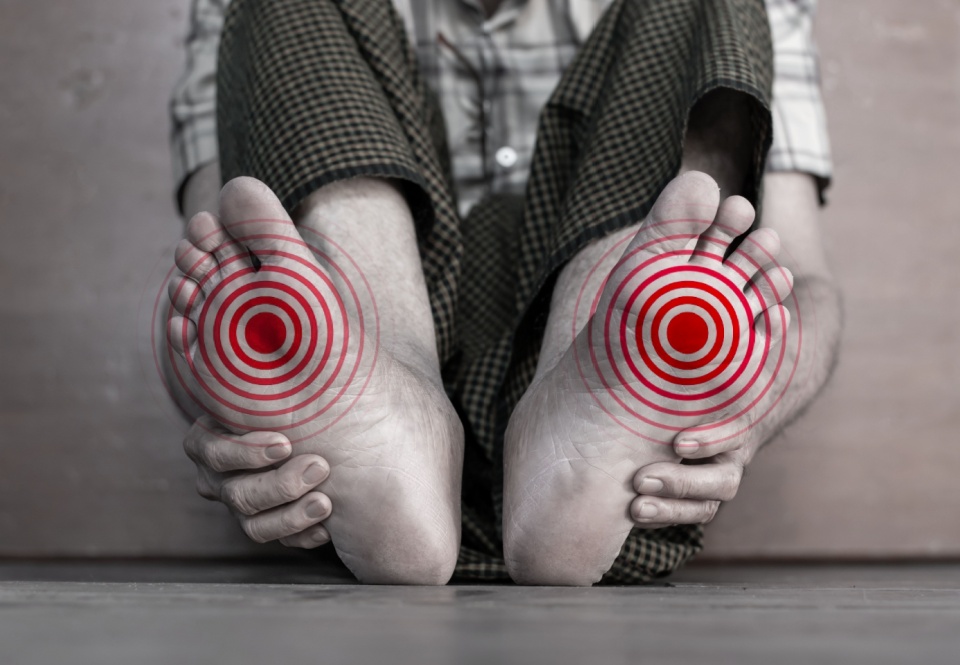
Diabetic peripheral neuropathy (DPN) is a common complication of diabetes caused by long-term high blood sugar levels, leading to nerve damage. It typically affects the hands and feet, causing tingling, pain, numbness, or weakness. These sensory changes, especially in the feet, increase the risk of falls. While there is no cure, treatment focuses on managing symptoms and preventing complications such as infections, wounds, and amputations. Maintaining effective blood sugar control is critical to reducing the impact of DPN.
New Research
Recent research offers hope for those affected by DPN. A 2024 study led by pain scientist and physical therapist Adriaan Louw introduces a promising new treatment with no negative side effects. The study found that combining pain education with gentle tactile treatments on the feet significantly reduced pain and may also lower the risk of falls. This approach provides a non-invasive alternative to traditional treatments and could offer relief for those managing DPN.
Medications and Alternative Therapies
Your doctor may prescribe medications to help manage DPN-related pain. Some alternative therapies are also suggested by certain sources, though most have limited research supporting their effectiveness. A brief summary of these options is provided at the end of this blog.
Always consult your physician before trying alternative therapies, as dietary supplements are minimally regulated and may interact with medications or health conditions.
How The New Research Can Help You
The techniques used in this study are non-invasive and fall within the expertise of many physical and occupational therapists. If you have DPN, consider sharing this study with your therapist to explore how they can apply this latest research to help manage your symptoms.
Contact us for a personalized Physical Therapy, Occupational Therapy, or Speech Therapy assessment. We provide in-home assessments in the San Francisco Bay Area: Santa Clara, San Mateo, San Francisco, and Marin Counties.
The study is based on the idea that older adults often have reduced sensory awareness in the skin of their feet. This diminished sensitivity can disrupt the brain’s perception or “map” of the area, potentially leading to increased pain perception and a higher risk of falls.
The treatment consisted of pain neuroscience education followed by 15 minutes of tactile treatments for the feet consisting of five different activities.
Pain Neuroscience Education:
As quoted from the study, “Participants were taught about body maps in the brain, explaining how decreased use and stimulation of body areas cause maps to become ‘smudged’ which is tied to increased sensitivity and pain in the foot and the series of treatments being done will aim to sharpen these maps.
Tactile Exploration With A Tub of Beans:
Participants placed their feet in a tub of dry beans and moved them around to stimulate their feet and enhance sensory awareness. They were encouraged to focus on the sensation of the beans against their skin.
Tactile Exploration with Beans and Blocks:
Small rectangular plastic blocks were added to the tub of beans, and participants, with their eyes closed, used their feet to identify the blocks among the beans, helping improve sensory differentiation.
Two-Point Discrimination:
Two-point discrimination is the ability to feel two separate points touching your skin at the same time. Participants were first introduced to a tool that touches the skin with one or two points to help them recognize the difference. Then, with their eyes closed, the bottom of their foot was gently touched with one or two points, and they had to identify which it was. If they couldn’t tell, the points were moved farther apart until they could feel the difference.
Textured Ball Roll:
Participants used a medium-sized textured rubber ball, rolling it under their foot to cover the entire bottom surface, from front to back and side to side. With their eyes closed, they focused on the sensations created by the ball on different parts of their foot.
Sensory Discrimination:
Various flooring samples (e.g., hardwood, plush carpet, Berber carpet) were placed on the floor. With eyes open the participants felt each surface with their feet developing a mental image of each surface. Then with eyes closed they were asked to randomly identify the various surfaces.
While diabetic peripheral neuropathy (DPN) presents significant challenges, especially in terms of pain and increased fall risk, emerging research offers hope for more effective treatments. The 2024 study led by Adriaan Louw introduces a non-invasive, promising approach that combines pain education and targeted tactile treatments to help manage symptoms and improve sensory awareness.
If you or a loved one is living with DPN, discussing these new findings with a healthcare provider or therapist could provide valuable insight into managing the condition more effectively. Remember, alongside any treatment, maintaining proper blood sugar control and regular consultations with your healthcare team are essential steps in managing DPN and minimizing its impact on daily life.
We provide in-home assessments in the San Francisco Bay Area. Contact us for a personalized Physical Therapy, Occupational Therapy, or Speech Therapy assessment in the San Francisco Bay Area: Santa Clara, San Mateo, San Francisco, and Marin Counties.
Alternative Treatments
Below is a summary of alternative treatments for DPN. Always consult your physician before trying alternative therapies.
Topical Treatments: Creams, Gel, and Sprays:
Topical Treatments are commonly used for managing diabetic neuropathic pain. Although their effectiveness may vary, some people find relief.
Electrical Stimulation:
Transcutaneous electrical nerve stimulation (TENS) is a pain relief therapy that uses a small, battery-operated device to send mild electrical impulses to the skin.
Acupuncture:
Some research suggests that acupuncture, particularly electroacupuncture, can be effective in managing pain related to diabetic neuropathy.
Compression Socks:
Compression socks often recommended for relieving DPN-related pain, though scientific evidence supporting their effectiveness is limited. However, they can improve circulation, reduce swelling, and may enhance postural control, potentially reducing the risk of falls. One study found that they may improve postural control and thus possible reduce fall risk.
Dietary Supplements:
- Alpha-lipoic acid: This powerful antioxidant found in some foods may help relieve nerve pain in certain individuals.
- Acetyl-L-carnitine: A nutrient naturally produced in the body and available as a supplement, it may help ease nerve pain for some people.
- Krill Oil: Omega-3 fatty acids, found in fish oil (especially Krill Oil), have shown potential benefits in treating diabetic neuropathy in some studies.
REFERENCES
Graded Motor Imagery and Fall Risk in Older Adults – Adriaan Louw, et al. Annals of Physiotherapy & Occupational Therapy
Joanne Bedwell, PT is the Resident Blogger at Be Active Be Well. She lives and works in San Francisco with her husband and two (almost) grown daughters. Having over 25 years of experience as a physical therapist, she sees clients in their homes and teaches fitness classes in person and virtually.
DISCLAIMER: This article contains information that is intended to help the readers be better informed regarding health care issues. It is presented as general advice on health care and is not intended to be a substitute for the medical advice of a licensed physician. The reader should consult with their doctor in any matters relating to his/her health.