
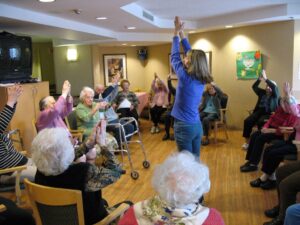
Exercise offers many benefits, to both physical and mental health. Exercise improves blood flow in the body, including blood flow to the brain. As your heart starts beating faster it pumps more oxygen to the brain and also stimulates neurogenesis, the production of new brain cells. Researchers at the University of British Columbia found that any kind of exercise that gets your heart pumping seems to increase the size of the hippocampus, the part of your brain that houses memory and speech.
Stress, anxiety and depression, especially when chronic (regularly occurring), negatively affect memory and can decrease brain cells. Exercise reduces stress, depression and anxiety. It also releases endorphins, chemicals that improve our moods, make us feel good and reduce our perception of pain in the body.
Studies have found that the level of intensity is less important than the regularity of exercising. Even short amounts of daily exercise (think 15 minutes at a time) can improve memory, decrease pain, lessen symptoms of anxiety and depression, and improve overall brain health and function. Exercise doesn’t always need to involve expensive equipment or the gym. There are many types of exercise that can be done from the comfort of your home.
- Walking is one of the most basic forms of exercise. If you are mobile, try walking around your block, up and down the sidewalk in front of your home, or even just walking around your yard or house. Set a timer and walk until the timer goes off. Your mobile phone probably has a timer app on it. Or just use a regular old wristwatch or wall clock to time yourself.
- Yoga & stretching can also be done simply from home. Youtube is a great resource to find guided yoga routines for any skill level. If you worry about your balance, try chair yoga. That’s just yoga that you can do while seated in a chair.
- The sun salutation arm movements are a great place to start. Start by sitting up tall and breathing deeply, arms down at your sides. Stretch your arms out to each side, slowly raising them up in a fan motion until they are straight overhead. Keep them extended up over your head for a few deep breaths. Bring your palms together and slowly lower them to your heart. Repeat 5-10 times.
- Don’t love to exercise? Consider your hobbies. Do they involve movement or feel strenuous? You might be exercising and not even realize it. Gardening can be a great form of exercise. Social sports like tennis, racquetball, croquet, cornhole, etc are great ways to exercise, too, because they involve movement, standing, walking, etc. All forms of exercise, and they can be quite enjoyable.
If exercising sounds daunting, invite a friend to join you. Life is more fun with friends, anyway. Making intentional choices to move and be active every day are important to brain health and function. June is Alzheimer’s & Brain Awareness Month. Making daily exercise a habit can promote brain health and be proactive in the fight against brain and cognitive decline.
DISCLAIMER : This article contains information that is intended to help the readers be better informed regarding exercise and health care. It is presented as general advice on health care. Always consult your doctor for your individual needs. Before beginning any new exercise program it is recommended that you seek medical advice from your personal physician. This article is not intended to be a substitute for the medical advice of a licensed physician. The reader should consult with their doctor in any matters relating to his/her health.