February is American Heart Month. Heart disease remains the leading cause of death in the US ahead of cancer and COVID.
What can I do to avoid being part of the deadly statistic?
Some things are out of our control: family history, sex, and age. But according to the Mayo Clinic there are ways to reduce the risk of heart disease:
- Don’t smoke or use tobacco
- Get moving: Aim for at least 30 to 60 minutes of activity daily
- Eat a heart-healthy diet
- Maintain a healthy weight
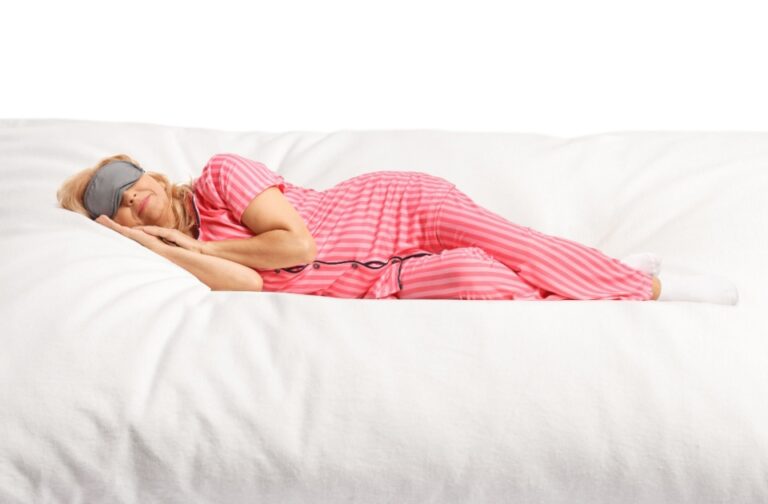
- Get good quality sleep
- Manage stress
- Get regular health screenings
This list can seem overwhelming, but keep reading there is hope and help. The Washington Post recently published a good article about assessing personal risk of heart disease and what to discuss with your physician.
What if I already have heart disease?
Even if you have already been diagnosed with heart disease, the risk of a significant event such as a heart attack or stroke can still be reduced. It can be overwhelming but start small and build on each success. See our blog Making Health Habitual for ideas to help set realistic and achievable goals.
I love this advice from the American Heart Association:
Every little step you take toward heart health helps you take the next step, and the step after that. Fair warning: It’s not always easy. It’s not always fun.
If you have had a significant cardiac event or cardiac surgery, participating in a cardiac rehabilitation program can help regain control of your health and maybe even feel better than before! The first days and weeks after a cardiac event can be frightening. If this applies to you or a loved one, The American Heart Association has excellent advice and resources to help you.
Cardiac Rehabilitation
Recovery is a Journey. Cardiac rehabilitation (most often referred to as Cardiac Rehab) doesn’t change your past, but it can help you improve your heart’s future. It has been proven to decrease the risk of a second cardiac event and it is a path to feeling better, maybe even better than before!
The benefits of participating in a cardiac rehab program are numerous:
- Lowering risk of a future cardiac event, ER visits, and hospitalization
- Reducing the need for medications
- Increasing energy for daily activities
- Speeding return to work or activities that you love
- Providing confidence that you can safely exercise
- Support in eating a heart healthy diet
- Support in achieving a healthy weight
- Support in reducing stress
- Support with feelings of anxiety and depression that are common after a heart attack
What Does Cardiac Rehab Involve?
According to the American Heart Association, cardiac rehab is a medically supervised program designed to improve cardiovascular health. The participant will receive exercise counseling and supervised training, education in heart healthy living, and counseling to reduce stress and depression.
What to Expect
Cardiac rehab can be provided on an outpatient or inpatient basis. A team of people including a physical therapist, dietitian, and counselors will design a program to meet the specific needs of each participant. Medicare and most insurance plans cover a standard cardiac rehabilitation program that includes 36 supervised sessions over 12 weeks but the duration of your cardiac rehab depends on the severity of the condition. The participant can expect the following:
A Medical Evaluation
The health care team will perform an initial evaluation to assess physical abilities, medical limitations, and other medical conditions.
Physical Activity
You will exercise. An exercise/activity program will be developed and will usually include supervised sessions 3 times per week. Don’t worry if you’ve never exercised before, the health care team will make sure the program is safe and comfortable for your level. The activity program will include:
- Muscle-strengthening exercises, such as lifting weights or other resistance training exercises to increase your muscular fitness and,
- Cardiovascular exercise, such as walking, cycling, or rowing.
The program may include mindfulness activities such as yoga, which has been shown in some studies to be beneficial for cardiac health.
We at Be Active Be Well are here to provide support in this component of the journey. Once sessions covered by insurance have been completed, our licensed professionals are available to come to your home to help you safely continue the exercise program you started in cardiac rehab. We will monitor your vital signs as you exercise and will modify your program to meet your specific needs.
Lifestyle education
The participant will receive education and support to help make healthy lifestyle changes, such as eating a heart-healthy diet, exercising regularly, maintaining a healthy weight, and quitting smoking. It will include guidance about managing conditions such as high blood pressure, diabetes, high cholesterol and obesity.
Support
After a significant cardiac event it is common to feel anxious and depressed. The participant will receive counseling support to help you cope with these feelings.
Save a Life
We feel that any discussion of cardiac disease is not complete without a review of the warning signs of heart attack and stroke. Being familiar with these can save the heart and brain from further damage if you act quickly. It can save a life.
The Warning Signs of Stroke
FAST is an easy way to remember how to recognize a stroke and what to do.
- Face drooping
- Arm weakness
- Speech difficulty
- To call 911
Be aware of any sudden:
- Numbness or weakness of the face, arm or leg, especially on one side of the body
- Confusion, trouble speaking or understanding
- Trouble seeing in one or both eyes
- Trouble walking, dizziness, loss of balance or coordination
- Severe headache with no known cause
The Warning Signs of Heart Attack
Remember that Women sometimes have milder or different symptoms than men.
- Chest pain or uncomfortable chest pressure
- Pain or discomfort in one or both arms
- Pain or discomfort in the back, neck, jaw or stomach
- Rapid heartbeats
- Heart tremors or palpitations
- Excessive shortness of breath
- Unexplained fainting or light-headedness
- Shortness of breath with or without chest discomfort
- Breaking out in a cold sweat or nausea
Joanne Bedwell, PT is the Resident Blogger at Be Active Be Well. She lives and works in San Francisco with her husband and two (almost) grown daughters. Having over 25 years of experience as a PT, she sees clients in their homes and teaches fitness classes in person and virtually.
DISCLAIMER: This article contains information that is intended to help the readers be better informed regarding exercise and health care. It is presented as general advice on health care. Always consult your doctor for your individual needs. Before beginning any new exercise program it is recommended that you seek medical advice from your personal physician. This article is not intended to be a substitute for the medical advice of a licensed physician. The reader should consult with their doctor in any matters relating to his/her health.
We provide in-home assessments in the San Francisco Bay Area. Contact us for a personalized Physical Therapy, Occupational Therapy, or Speech Therapy assessment.