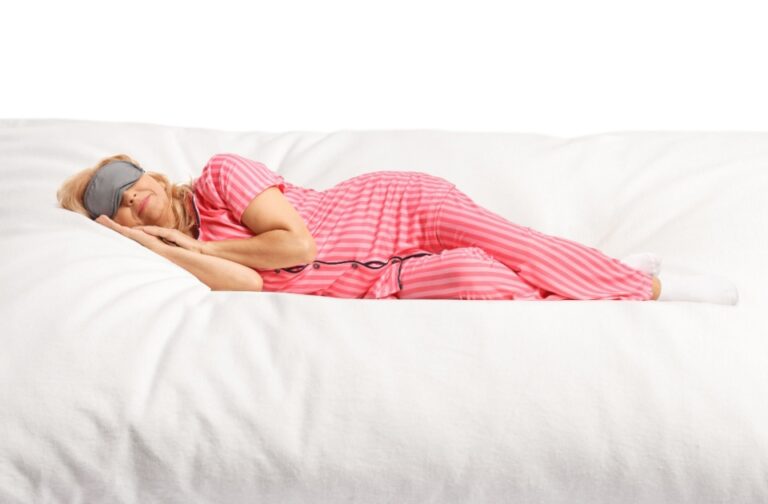

If you are struggling with incontinence and aging, there are practical and effective ways to manage this condition, helping you maintain your independence and quality of life. This blog will explore some of those solutions, empowering you to take control of your health with confidence.
Urinary Incontinence Affects Both Women and Men
Urinary incontinence is a common issue that affects both men and women as they age, yet it’s often overlooked or uncomfortable to discuss. With the natural aging process, changes in bladder function become more frequent, impacting everyday life and confidence.
In fact, studies show that urinary incontinence becomes increasingly prevalent after the age of 50 for both genders.
For men, incontinence is often caused by an enlarged prostate or prostate surgery. For women, pregnancy and childbirth can damage key nerves and weaken muscles and connective tissues that support the pelvis and organs.
Timed Voiding
The simplest strategy, whether at home or when going out, is timed voiding. This technique will help you regain bladder control. It involves going to the bathroom at specific times, regardless of whether you feel the need to urinate.
Use a bathroom every 2 hours during the day, regardless of whether you feel the need to urinate.
Think of the bladder as being filled by a leaky faucet; urine is continually “dripping” into the bladder. It’s not until the bladder begins to fill that you feel the urge to urinate. The goal of timed voiding is to prevent the bladder from overfilling and to reduce leakage. The recommendation we most often give to our Be Active Be Well clients is to use the bathroom every 2 hours. If you are drinking enough fluids to stay adequately hydrated, then every 2 hours is a reasonable duration.
Incontinence And Social Isolation
For many people struggling with incontinence, the anxiety and fear of having an “accident” keeps them from leaving their homes. This limits activities and can lead to social isolation.
Here are some practical tips that can help:
Going Out? Don’t Become Dehydrated.
Because of concerns about finding a bathroom and leakage, many people avoid drinking fluids when going out. Be careful—it’s easy to become dehydrated and create other health problems.
See our blog Pouring Over Hydration for more information on staying hydrated when going out.
Before You Leave Your Home
- Identify public bathrooms ahead of time or use a phone app. Flush Toilet Finder, available for both Apple and Android devices, gives location and other information about over 200,000 public restrooms worldwide. Flush is a highly rated app that allows you to filter between different choices, such as bathrooms with disabled access or those that require a fee to use.
- Use the toilet before leaving. Make sure your bladder is empty before starting your outing.
Upon Arrival at Your Destination
- Upon arriving at your destination, make the bathroom your first stop so that you can be assured of up to 2–3 hours of uninterrupted enjoyment.
- Set a timer on your phone to remind you to return to the bathroom.
On an Airplane
- Try to book an aisle seat near the bathroom so you can get up easily and quickly.
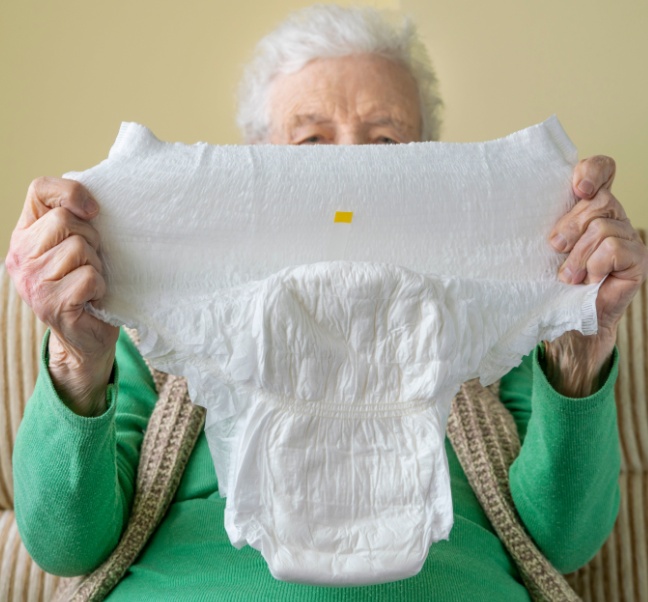
- If you are especially concerned, wear incontinence protection: use an absorbent pad or brief designed for easy changes, and wear dark, loose-fitting clothing.
- Bring extra supplies: pack a small bag with a change of clothes, wet wipes, and other supplies.
Talk to Your Doctor
As always, talk to your doctor. Incontinence can be a symptom of an underlying problem, and there are treatments: physical therapy exercises, medical devices, and medications. Incontinence can be uncomfortable to talk about, and you may be frustrated by prior discussions that haven’t achieved satisfactory solutions. However, new treatments are continually being developed.
For tips on discussing this and other sensitive concerns with your healthcare professional, see our blog: A Better Doctor Visit.
Educate Yourself
Before your next doctor visit, educate yourself. The National Association for Continence website has a comprehensive discussion of the latest treatments and resources available, including:
OTHER RESOURCES:
- Tips for Traveling with Incontinence – Harvard Health
- Urinary Incontinence – The Kidney Foundation
We provide in-home assessments in the San Francisco Bay Area. Contact us for a personalized Physical Therapy, Occupational Therapy, or Speech Therapy assessment in the San Francisco Bay Area: Santa Clara, San Mateo, San Francisco, and Marin Counties.
Joanne Bedwell, PT is the Resident Blogger at Be Active Be Well. She lives and works in San Francisco with her husband and two (almost) grown daughters. Having over 25 years of experience as a physical therapist, she sees clients in their homes and teaches fitness classes in person and virtually.
DISCLAIMER: This article contains information that is intended to help the readers be better informed regarding health care issues. It is presented as general advice on health care and is not intended to be a substitute for the medical advice of a licensed physician. The reader should consult with their doctor in any matters relating to his/her health.