
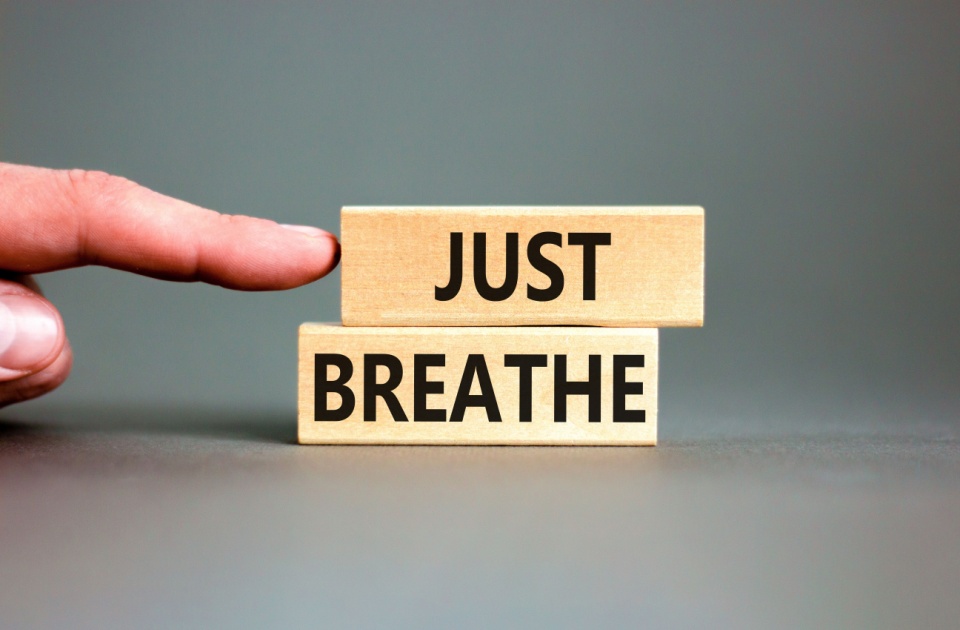
What Is Breathing Practice?
The term “breathing practice” refers to a deliberate and systematic approach to regulating one’s breath for the purpose of promoting physical, mental, or emotional well-being. It encompasses a wide range of techniques, exercises, and traditions that focus on conscious control and manipulation of the breath.
The techniques can vary in complexity, duration, and intention, but they generally involve bringing attention to the breath and employing specific breathing patterns or rhythms to achieve desired outcomes. These outcomes may include:
- Relaxation
- Stress reduction
- Improved oxygenation to the brain and body
- Enhanced focus and concentration
- Better emotional regulation
- Improved sleep quality
- Lower blood pressure
- Strengthened respiratory muscles
- Alleviation of anxiety and depression symptoms
- Increased mindfulness and self-awareness
Breathing practices can be found in various cultural, spiritual, and therapeutic traditions, including yoga, meditation, mindfulness, pranayama, qigong, tai chi, breathwork, and more. While the specific techniques and approaches may differ, they all share the fundamental principle of harnessing the power of the breath to promote health and vitality.
Longer Exhalations Calm the Nervous System
There are many different breathing techniques and this article, 10 Breathing Techniques for Stress Relief and More, on the Healthline website does a good job of describing many in detail. But in the research one technique stands out. 2023 research out of Stanford University reaffirmed what many experts had known for years: longer exhalations calm the autonomic nervous system, reduce physiological arousal, lower stress, and take the edge off anxiety.
In their study, all the groups practicing breathwork made gains but the participants who practiced “cyclic sighing” for only 5 minutes a day had the best results. Exhale-focused cyclic sighing emphasizes shorter inhalations and prolonged exhalations in a 1:2 inhale/exhale ratio. The exhale is twice as long as the inhale. Longer exhalations reduce stress by stimulating the vagus nerve in ways that physiologically reduce the fight-or-flight response.
How Do I Start a Breathing Practice?
Starting a breathing practice is relatively simple and can be adapted to suit your preferences and schedule. Start with a goal of 5 minutes a day and build the time or frequency as suits your needs. If 5 minutes feels like too much then try 2 minutes a day.
Set aside time
Choose a time during your day when you can dedicate a few minutes to your breathing practice. This could be in the morning upon waking, during a break at work, or before bed. Consistency is key, so aim to practice at the same time each day.
Find a quiet space
Select a quiet, comfortable space where you won’t be disturbed. This could be a corner of your bedroom, a quiet room in your home, or even outdoors if weather permits.
Get into a comfortable position
Sit or lie down in a comfortable position.
Focus on your breath
Close your eyes if it’s comfortable for you, and begin to focus your attention on your breath. Notice the sensation of the air entering and leaving your nostrils or the rise and fall of your chest and abdomen.
Start with deep, slow breaths
Inhale deeply through your nose, filling your lungs with air. Feel your abdomen expand as you breathe in.
Experiment with different techniques
here are many different breathing techniques you can try. Experiment with different techniques to see what works best for you and feels most comfortable. I recommend the 1:2 inhale/exhale technique from the Stanford study, but the most important thing is that the technique works for you. Don’t work too hard. If you are getting out of breath, go back to regular slow breaths. In fact, you may find that this basic breath practice is all that you need.
Be patient and consistent
Like any skill, developing a breathing practice takes time and patience. Be gentle with yourself and don’t expect perfection right away. Start with just a few minutes of practice each day and gradually increase the duration as you become more comfortable.
Stay mindful
As you practice, try to maintain a sense of mindfulness and presence. If your mind starts to wander, gently bring your attention back to your breath without judgment. If noises distract you, use that as a reminder to leave the outside world and come back into your space.
Track your progress
Consider keeping a journal to track your progress and reflect on how your breathing practice is affecting your mood, stress levels, and overall well-being.
Stay committed
Make a commitment to yourself to prioritize your breathing practice and incorporate it into your daily routine. Even on busy days, try to carve out a few minutes for your practice, as consistency is key to reaping the benefits.
By following these steps and staying consistent with your practice, you can cultivate a deeper awareness of your breath and experience the many benefits of a breathing practice.
We provide in-home assessments in the San Francisco Bay Area. Contact us for a personalized Physical Therapy, Occupational Therapy, or Speech Therapy assessment.
RESOURCES
Did you find this topic interesting? Below are more in depth articles.
- How Longer Exhalations and Cyclic Sighing Make Us Feel Good: Exhale-focused cyclic sighing hacks the vagus nerve and reduces stress. – Psychology Today The Athlete’s Way blog
- Longer Exhalations Are an Easy Way to Hack Your Vagus Nerve: Respiratory vagus nerve stimulation (rVNS) counteracts fight-or-flight stress. – Psychology Today The Athlete’s Way blog
- Breathwork for Beginners: What To Know and How To Get Started – The Cleveland Clinic
- 10 Breathing Techniques for Stress Relief and More – Healthline
- Brief structured respiration practices enhance mood and reduce physiological arousal – Cell Reports Medicine journal
Joanne Bedwell, PT is the Resident Blogger at Be Active Be Well. She lives and works in San Francisco with her husband and two (almost) grown daughters. Having over 25 years of experience as a PT, she sees clients in their homes and teaches fitness classes in person and virtually.
DISCLAIMER: This article contains information that is intended to help the readers be better informed regarding exercise and health care. It is presented as general advice on health care. Always consult your doctor for your individual needs. Before beginning any new exercise program it is recommended that you seek medical advice from your personal physician. This article is not intended to be a substitute for the medical advice of a licensed physician. The reader should consult with their doctor in any matters relating to his/her health.