What’s Normal and What’s Not
Hearing clicking, popping, or tapping sounds in your knee after a total knee replacement (TKA) can be surprising and sometimes concerning. The good news: in most cases, these noises are a normal part of healing. Here’s what’s really happening inside the joint and when to reach out to your medical team.
Common Reasons Your Knee Clicks After TKA
- 1. Normal Healing and Scar Tissue
As your knee recovers, new scar tissue forms around the joint. Early on, this tissue isn’t completely smooth, so it can brush against tendons or other structures. That friction may create small clicks until the tissue matures and your mobility improves.
- 2. Swelling and Extra Joint Fluid
Right after surgery, the knee is swollen and filled with more fluid than usual. That extra pressure can change the way the joint surfaces move against each other, sometimes producing temporary popping or tapping sounds.
- 3. Temporary Muscle Inhibition
After surgery, and anytime there’s increased fluid in the knee joint, the brain automatically “turns down” the quadriceps as a protective response. This reflexive inhibition makes the quads slower and weaker to activate, which can change how the knee moves in early recovery. Those small changes in mechanics can lead to clicking during walking, bending, or standing up. As swelling decreases and strength is rebuilt through therapy, this usually improves.
- 4. Adjusting to New Joint Mechanics
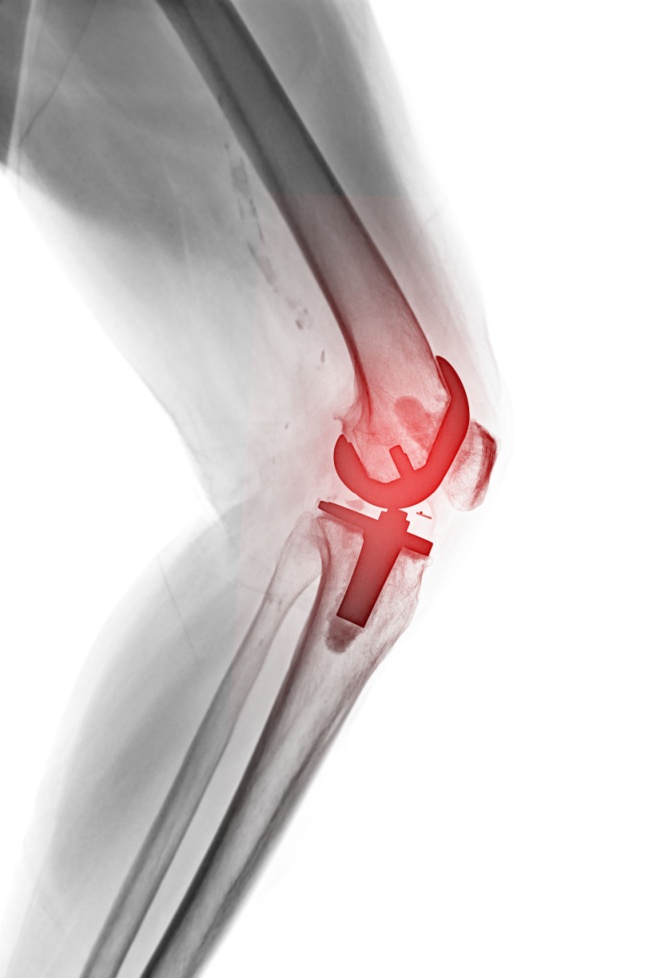
A knee replacement introduces artificial surfaces that glide differently than natural cartilage. Many people notice a soft “click” when the metal and plastic components engage during motion. This is expected and often becomes less noticeable as your gait and strength normalize.
- 5. Tendons and Ligaments Finding Their New Groove
The soft tissues around the knee have to adapt to the new alignment created by the replacement. As tendons glide over bones or implants, they may momentarily “snap” or click. This usually settles as mobility improves.
- 6. How the Implant Moves
Prosthetic components can make subtle, painless clicking as they articulate; especially when swelling is present or when you’re still regaining strength. This is generally harmless.
When Clicking Deserves a Closer Look
While clicking is usually normal, contact your surgeon if you notice:
- Clicking with sharp or persistent pain
Could indicate scar tissue impingement, malalignment, or other mechanical issues.
- Increased swelling, warmth, or redness
These signs can suggest infection or significant inflammation.
- Locking or a feeling of instability
If the knee gives way or catches, it needs medical evaluation.
- Clicking that worsens instead of improving
Most noises decrease as healing progresses. Worsening symptoms should be checked.
What You Can Do to Reduce Knee Clicking
Stay Consistent With Physical Therapy
Strengthening the quadriceps and hip muscles improves alignment and helps the knee track smoothly.
Manage Swelling
Ice, elevation, and pacing your activity keep fluid buildup under control.
Work on Mobility and Stretching
Restoring full flexion an full extension helps reduce stiffness, which often contributes to clicking.
Use Good Form During Exercises
Proper alignment helps the prosthetic move smoothly and reduces unnecessary strain.
Give It Time
For most people, knee sounds decrease over the first few months as the tissues heal and strength returns.
Support Healing With Hydration and Nutrition
A balanced diet and good hydration help tissues recover efficiently.

FAQs
How long does the clicking usually last?
Most people notice it decreasing within 3–6 months as swelling resolves and strength improves.
Is it normal for my knee to feel tight and noisy?
Yes. Tightness from swelling and new scar tissue is extremely common early in recovery.
Can clicking damage my knee or implant?
Generally, no. Clicking without pain is rarely a sign of a problem.
Should I stop exercising if it clicks?
Not unless the clicking is painful. Your PT can adjust your program as needed.
Will the implant always make some noise?
Some people notice an occasional soft click long-term, but it typically fades into the background with daily activity.
Be Active Be Well
RESOURCES
- What’s Happening When Your Knee Goes Snap, Crackle, and Pop – The Stone Clinic
- Why Does My Knee Click After Surgery? Understanding Post-Operative Sounds – MSK Doctors
Ready to get moving again, safely and confidently?
Whether you’re dealing with chronic pain, recovering from an injury, or simply feeling stuck, our expert team is here to help. We offer personalized Physical Therapy, Occupational Therapy, and Speech Therapy assessments, all from the comfort of your home.
Serving the San Francisco Bay Area—including Santa Clara, San Mateo, San Francisco, and Marin Counties—we bring compassionate, evidence-based care right to your doorstep.
Let’s work together to keep your body in motion and your mind at ease. Contact us today to get started!
Joanne Bedwell, PT, is the Resident Blogger at Be Active Be Well. Based in San Francisco, she lives with her husband and two nearly grown daughters. With over 25 years of experience as a physical therapist, she provides in-home client care and teaches fitness classes both in person and online.
DISCLAIMER: This article is intended to provide general information to help readers make informed decisions about exercise and health. It is not a substitute for professional medical advice, diagnosis, or treatment. Always consult your physician or another qualified health provider before starting any new exercise program or making changes to your health care. Never disregard or delay seeking medical advice because of something you have read in this article.