
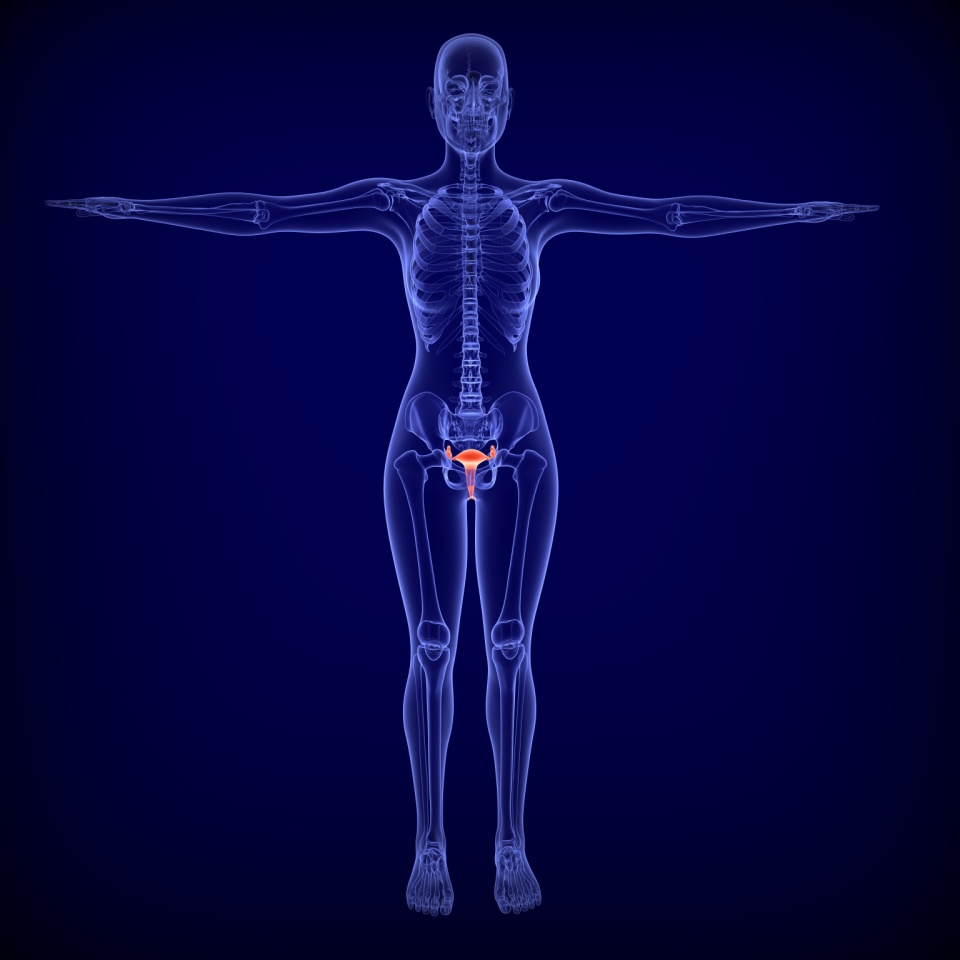
Most women know that menopause is the stage in a woman’s life when menstrual periods cease. By definition, a woman is considered menopausal (or technically, “postmenopausal”) when there is no menstrual bleeding for 12 consecutive months. This can also happen immediately after surgery to remove both ovaries for various reasons, known as surgical menopause. The average age for natural menopause (not surgical) in women in the industrialized world is 51-52 years. Some women experience this transition a bit earlier, and some a little later.
Menopausal symptoms can start as early as 10 years before periods cease.
A woman can start experiencing symptoms of perimenopause, the time leading up to menopause, as early as 10 years before she no longer has periods. This is a time of significant hormonal changes in the body. Some symptoms associated with this transition and after periods stop are commonly known, such as hot flashes and night sweats.
It’s not just night sweats!
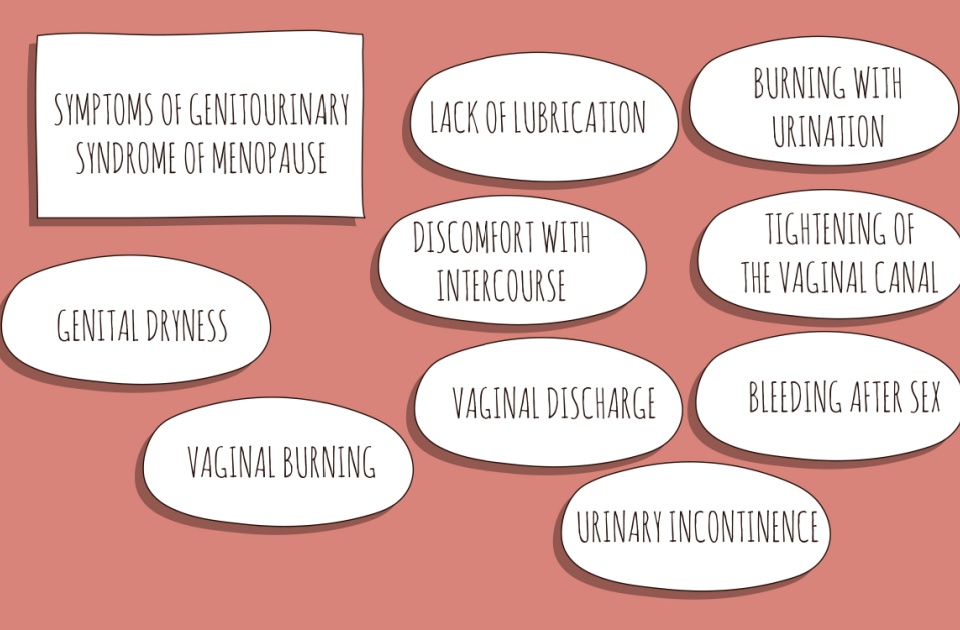
However, there are other symptoms that many women are surprised about. These include vaginal dryness, vaginal and vulvar irritation, discomfort, urinary symptoms, urinary tract infections, and painful intercourse (dyspareunia). These symptoms together are known as genitourinary syndrome of menopause (GSM).
GSM affects more than 25% and up to 84% of women after menopause, according to The North American Menopause Society’s 2020 update.
Although it becomes more common the more remote from the onset of menopause a woman is, it can also happen during perimenopause or the first year of the menopausal transition.
Reluctance to talk about the symptoms of GSM
As a P.A. working in women’s health for over 30 years, I see that Genitourinary Syndrome of Menopause (GSM) is one of the issues that peri- and postmenopausal women are most surprised about—and most reticent to discuss.
Women may be reluctant to bring up such symptoms at a routine visit, sometimes out of embarrassment or thinking it’s not important enough to mention.

Some medical providers are uncomfortable talking about it, too. However, if you have these symptoms, it is important to find a provider you’re comfortable with who will listen to your concerns. Quality of life and even serious health consequences such as recurrent urinary tract infections can result without treatment. As I’ve gone through the menopausal transition myself, I’m even more acutely aware of the need to talk about vaginal and urinary symptoms and help women find treatment to alleviate sometimes significant distress.
Treatments for GSM
If a peri- or postmenopausal woman has symptoms of GSM, her gynecological provider will first want to elicit a thorough history and perform an exam to rule out other possible causes. If GSM is the diagnosis, what are the treatments available?
First and foremost, vaginal estrogen!
Most symptomatic women are able to use this and should, in my opinion. There are many forms of vaginal estrogen, including creams, inserts, tablets, and even a ring that has a time-released amount of estrogen and is placed in the vagina for three months at a time.
Vaginal Estrogen vs. Systemic Hormone Replacement Therapy
Note that vaginal estrogen is not the same as systemic hormone replacement therapy (HRT) and will not help with hot flashes or night sweats (known as vasomotor symptoms). However, systemic HRT usually does help with GSM and that may be all that is needed if a woman is already cleared for HRT. Sometimes, even women using HRT may need additional estrogen in vaginal form as well.
How fast can you expect to see results?
Vaginal estrogen usually takes a while to take effect, up to three months. Typically, women will notice a positive difference sooner than that. It works by plumping up the vaginal tissue and increasing lubrication. This, in turn, makes intimacy more comfortable, reduces irritation/itching, and helps reduce the incidence of urinary symptoms and UTIs, even in women who are not sexually active. Most women can use vaginal estrogen indefinitely, provided they continue to have annual GYN exams and are monitored by their providers.
What about women with breast cancer?
Even women who have had breast cancer are often allowed to use a vaginal form of estrogen because so little is absorbed systemically. According to Dr. Wen Shen at Johns Hopkins, “Clinical trials to date indicate there is minimal to no systemic absorption resulting in no increased risk of breast cancer recurrence.” However, a woman with a history of estrogen-receptor positive breast cancer should discuss treatment options with her gynecology and oncology teams to see what’s right for her, taking into account risks and benefits.
Other treatment options
For women who are not able to or do not want to use vaginal estrogen, there are other treatments.
These include over-the-counter products such as:
- Vaginal moisturizers
- Vaginal lubricants
- Hyaluronic acid inserts
- Coconut oil
Other prescription medications include:
- Osphena (ospemifene): An FDA-approved oral tablet that is a selective estrogen receptor modulator (SERM), sometimes used by women who have had breast cancer or just prefer an oral tablet.
- Intrarosa (prasterone or DHEA) inserts
- Vaginal Laser Ablation: Some providers have started using vaginal laser ablation, but this is not currently FDA-approved and not covered by insurance
Usually, the most effective and cost-efficient treatment is vaginal estrogen in whatever form is chosen.
Talk to your gynecological healthcare provider

Menopause is an inevitable stage in every woman’s life. If you have symptoms of GSM, please discuss it with your gynecological healthcare provider. Getting the proper treatment will make this phase of life much more comfortable and enjoyable!
Be Active Be Well
Contact us for a personalized Physical Therapy, Occupational Therapy, or Speech Therapy assessment. We provide in-home assessments in the San Francisco Bay Area: Santa Clara, San Mateo, San Francisco, and Marin Counties.
GUEST BLOGGER: Julie Barsten Pascualy is a Certified Physician Assistant and Menopause Society Certified Practitioner working in the San Francisco Bay area for over 30 years. She graduated from the Stanford Primary Care Associate Program and found her passion working in women’s and reproductive health care. She currently works at Yaron Friedman MD, Inc Obstetrics & Gynecology with offices in Walnut Creek and Brentwood, California.
DISCLAIMER: This article contains information that is intended to help the readers be better informed regarding health care. It is presented as general advice on health care and is not intended to be a substitute for the medical advice of a licensed physician. Always consult your doctor for your individual needs.