
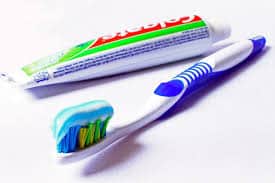
“Oral health refers to the health of the teeth, gums, and the entire oral-facial system that allows us to smile, speak, and chew.” -Center for Disease Control
Caring for your teeth and gums is an essential practice necessary from the earliest age. It continues to be essential to overall health and wellbeing throughout every stage of life. We need strong teeth and healthy gums to be able to eat a variety of healthy foods. We also need a healthy mouth to be able to communicate orally. Regularly caring for and checking your mouth health is also a foundational practice for preventing oral cancer, as well as lowering the risk of pneumonia, heart disease and diabetes. Oral care can sometimes take a backburner, as other health concerns take priority. Continuing to care for your teeth and gums needs to be prioritized.
Best habits for better oral health include:
- Brush teeth after meals
- Floss daily
- Use a fluoride mouthwash
- Quit smoking
- Limit sugary drinks/foods
- Get enough calcium
- Drink more water
- Get regular dental check ups (even if you no longer have natural teeth)
- Keep dentures clean
Older adults are at risk of tooth decay because some common medications taken by aging adults can cause dry mouth as a side effect. Osteoporosis can also lead to tooth decay. Untreated tooth decay and inflamed gums make it painful and difficult to eat. This can lead to malnourishment and unhealthy weight gain or loss. Taking a calcium supplement, and eating healthy, calcium rich foods can help slow the decay. Seeing a dentist regularly, and getting teeth cleanings, can also help slow tooth decay and prevent gum disease.
Arthritis, cognitive decline and Alzheimer’s disease can limit a person’s ability to care for their own mouth properly. Electric toothbrushes, floss-holding devices and other assistive tools can help. Some individuals may also need someone to assist them with brushing. If you are caring for an aging adult, don’t let oral health slide just because it’s time consuming or difficult. Caring for your loved ones oral health can significantly improve their quality of life.
From a young age, we are taught to practice the habits of regular brushing, flossing, mouthwash and dental cleanings because these habits reduce plaque buildup, gingivitis and gum disease, tooth decay and loss, improve oral health and, subsequently, overall health. We teach these habits to our children because they are the best way to protect our teeth; we can’t forget to continue practicing these habits for ourselves throughout every stage of life. Proactive practices make it easier to maintain oral health over a lifetime.
–Bethany Sellai is the Resident Blogger at Be Active Be Well. She lives well with her husband, three sons and one very lazy Shih Tzu, in the Central Valley.
DISCLAIMER: This article contains information that is intended to help the readers be better informed regarding exercise and health care. It is presented as general advice on health care. Always consult your doctor for your individual needs. Before beginning any new exercise program it is recommended that you seek medical advice from your personal physician. This article is not intended to be a substitute for the medical advice of a licensed physician. The reader should consult with their doctor in any matters relating to his/her health.