May is osteoporosis awareness and prevention month
FACTS:
One out of every 2 women and 1 in 4 men aged 50 and older will have an osteoporosis-related fracture in their lifetime.
A woman’s risk of fracture is equal to her combined risk of breast, uterine and ovarian cancer.
A man is more likely to break a bone due to osteoporosis than he is to get prostate cancer.
Osteoporosis
Osteoporosis is a condition in which bones become weak, brittle, and thus more likely to break. The body is constantly absorbing and replacing bone tissue. With osteoporosis, new bone creation does not keep up with old bone removal. Osteoporosis is a preventable and treatable disease. It cannot be reversed but with early diagnosis and treatment bone loss can be slowed and fractures can be reduced or prevented.
Osteoporosis vs Osteopenia
Both are defined by lower than normal bone density. Osteoporosis is a more serious progression of osteopenia.
What can you do?
Talk to your doctor
Talk to your doctor about your risk factors and get a baseline bone density test. Insurance generally covers bone density scans every other year for women over 65 and men over 70. But the Osteoporosis Foundation recommends that scans begin as early as age 50 for individuals who have certain risk factors.
Get on your feet
Participate in regular weight bearing activities such as walking, Tai Chi, yoga, golf, dancing, hiking, racquet sports, strength training. Find something you enjoy doing that bears weight through your feet and arms.
Reduce your risk factors
- If you are a smoker, cease or reduce your smoking.
- Limit caffeine and alcohol to no more than 2 servings per day.
Get enough calcium
Unfortunately our bone density peaks around age 25 to 30. So it is very important for children, teens, and young adults to intake adequate calcium and vitamin D. But even if you are past this age, you still need calcium.
How much Calcium do we need?
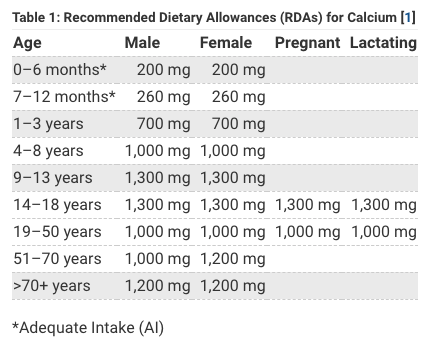
Adults need between 1000 mg and 1200 mg per day. Refer to the National Institutes of Health Calcium RDA chart by age for more specific guidelines.
What are good sources of Calcium?
I am a big proponent of getting my vitamins through my foods. Aside from dairy products there are many calcium rich foods: seeds, sardines, salmon, beans, lentils, almonds, leafy greens, and tofu to name a few.
Calcium Supplementation?
If you need to supplement, calcium carbonate is the most cost-effective option, but needs to be taken with food to be properly absorbed and can have side effects. Calcium citrate is better tolerated, but more expensive. Over-supplementing can have harmful health effects so it is important to get guidelines from your doctor.
Don’t forget vitamin D
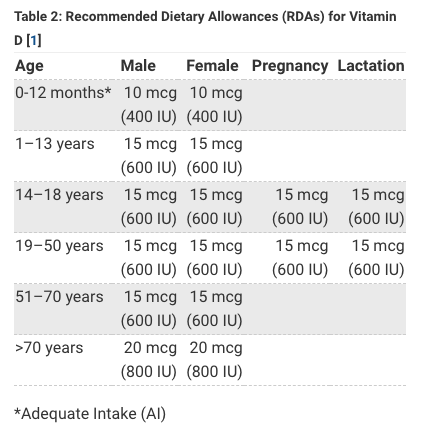
Vitamin D helps us absorb calcium. Adults need 600 IUs per day and if you are over 70 you need 800 IUs or more per day.
We get vitamin D from the sun but with awareness of the detrimental effects of UV rays and skin cancer, many of us are decreasing our direct sun exposure. Vitamin D is a little more difficult to get from food sources, so supplementation may be necessary. Foods rich in vitamin D include: cod liver oil (yuck!), fatty fish, egg yolks, mushrooms, and vitamin D fortified foods. Check with your doctor to determine how much you need and if you need to take a supplement.
Medications for Osteoporosis
Your doctor may advise you to take medications to slow the progression of your osteopenia or osteoporosis and reduce the risk of fracturing a bone. They may suggest a prescription medication based on how severe your osteoporosis is in conjunction with other factors such as your: medical history, sex, and age.
Two types of medications can help treat osteoporosis:
- Anti-resorptive medications slow the breakdown of bone. These come in various forms: oral tablets, nasal sprays, injections, and intravenous administrations.
- Anabolic medications facilitate generating more bone thus helping to rebuild bone density but are only available through injection.
SUMMARY
The Bone Health & Osteoporosis Foundation (BHOF) recommends five steps to improve bone health and prevent osteoporosis and broken bones:
1. Get the calcium and vitamin D you need every day.
2. Do regular weight-bearing and muscle-strengthening exercises.
3. Don’t smoke and don’t drink too much alcohol.
4. Talk to your healthcare provider about your chance of getting osteoporosis and ask when you should have a bone density test.
5. Take an osteoporosis medication when it’s right for you.
RESOURCE
Did you find this topic interesting? Below are more in depth articles.
- May is Osteoporosis Awareness Month – Bone Health and Osteoporosis Foundation
- Osteoporosis Fast Facts – Bone Health and Osteoporosis Foundation
- Osteoporosis Fact Sheet – Centers for Medicare and Medicaid Services
- Osteoporosis – National Institute of Arthritis and Musculoskeletal and Skin Diseases
- Osteoporosis – Mayo Clinic.
- It’s Never Too Early to Think About Bone Health – The New York Times
- Can Osteoporosis Be Reversed? – Healthline
- Weight-Bearing Exercise: 8 Workouts for Strong Bones – WebMD
Joanne Bedwell, PT is the Resident Blogger at Be Active Be Well. She lives and works in San Francisco with her husband and two (almost) grown daughters. Having over 25 years of experience as a PT, she sees clients in their homes and teaches fitness classes in person and virtually.
DISCLAIMER: This article contains information that is intended to help the readers be better informed regarding exercise and health care. It is presented as general advice on health care. Always consult your doctor for your individual needs. Before beginning any new exercise program it is recommended that you seek medical advice from your personal physician. This article is not intended to be a substitute for the medical advice of a licensed physician. The reader should consult with their doctor in any matters relating to his/her health.
We provide in-home assessments in the San Francisco Bay Area. Contact us for a personalized Physical Therapy, Occupational Therapy, or Speech Therapy assessment.