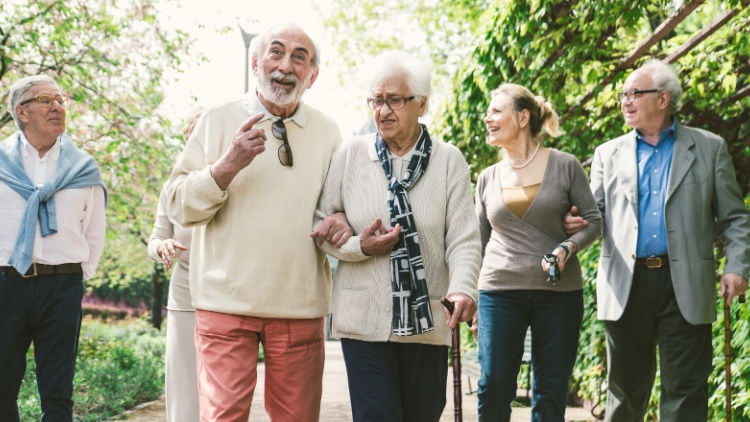
Exercise is one of the most beneficial activities for people with Parkinson’s Disease (PD), whether newly diagnosed or living with it for years. Research shows that regular physical activity can improve walking, balance, mobility, and cognition, and may even slow disease progression—especially when started early.
It’s Never Too Late To Start
At Be Active Be Well, we have therapists well-trained in the latest treatments for PD, including Parkinson’s Wellness Recovery (PWR!).
While everyone benefits from exercise, it is essential for people with Parkinson’s Disease (PD), as it can help slow disease progression. Research indicates that exercise is neuroprotective, meaning it helps preserve brain neurons affected by PD. By reducing neuronal damage and fostering new brain connections, exercise offers significant benefits to people with PD.
Aerobic Exercise, Strengthening, Balance, and Stretching
People living with PD should incorporate the same four elements into their exercise regimen as other healthy adults: aerobic, strength, flexibility, and balance. However, due to the unique neurological changes associated with PD, a more specific approach is needed.
Add A Cognitive Challenge

Research suggests that adding a cognitive component to exercise, such as learning a new skill or simultaneously performing a cognitive challenge, may be beneficial in PD by promoting neuroplasticity, or the formation of new pathways in the brain. For example, walking while subtracting or adding numbers, counting exercise repetitions in another language backward, or simply learning a new physical activity are great options. Change it up!
Use Big Movements
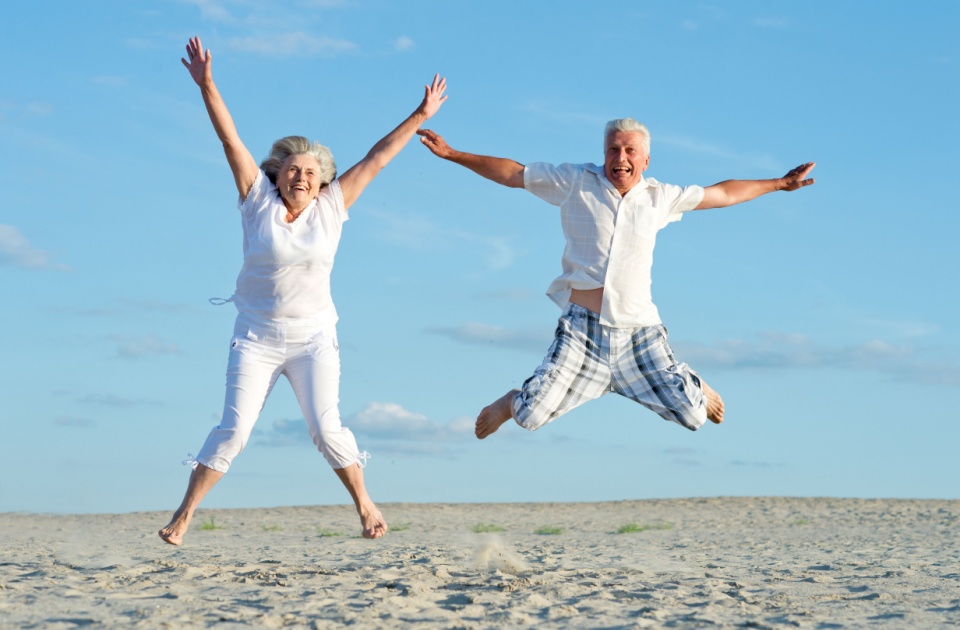
Large amplitude movements—exaggerated, big movements involving a full range of motion—can be highly beneficial for people with Parkinson’s Disease (PD). These movements help counteract the reduced movement size, or “micrographia,” often seen in PD, where individuals may find their steps, hand movements, and gestures becoming smaller over time. Studies have shown that these types of movements can improve motor function, gait, and quality of life for individuals with PD.
The recommendations below are from the American Parkinson’s Disease Association, A Guide to Exercise and Wellness for People with Parkinson’s Disease:

Aerobic Exercise: Activities That Get the Heart Pumping
There are many activities that can get the heart pumping, but research shows that cycling, whether stationary or outdoors, is especially beneficial for people with PD.
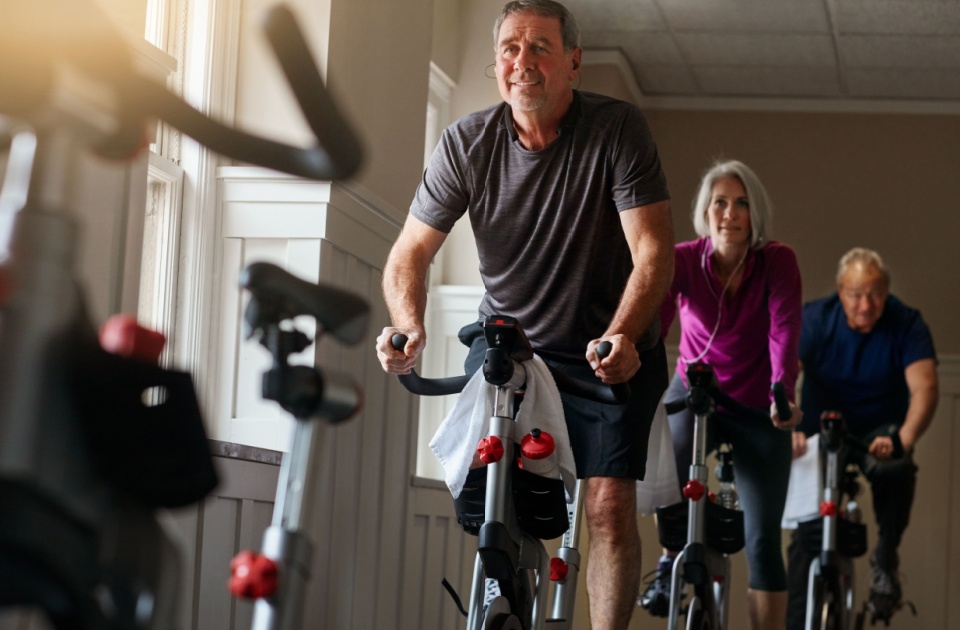
Research from the Cleveland Clinic showed that pedaling a bicycle at a brisk pace (80-90 revolutions per minute) can reduce PD symptoms by up to 35%. Cycling is recommended three times a week for one hour, with rest breaks as needed. Each session should include a 10-minute warm-up, up to 40 minutes of active cycling, and a 10-minute cool-down. To make it enjoyable, consider listening to your favorite music, podcast, or TV show while riding.
If walking is your preferred aerobic activity then consider these elements to make it more effective:
Keys to Improve the Quality of Your Walking
- Take bigger steps
- Swing your arms
- Walk faster
- Walk to a beat (or a metronome)
Strengthening: Activities That Improve Muscle Strength
Strength training improves muscle strength using weights, resistance bands, or even just your body weight.
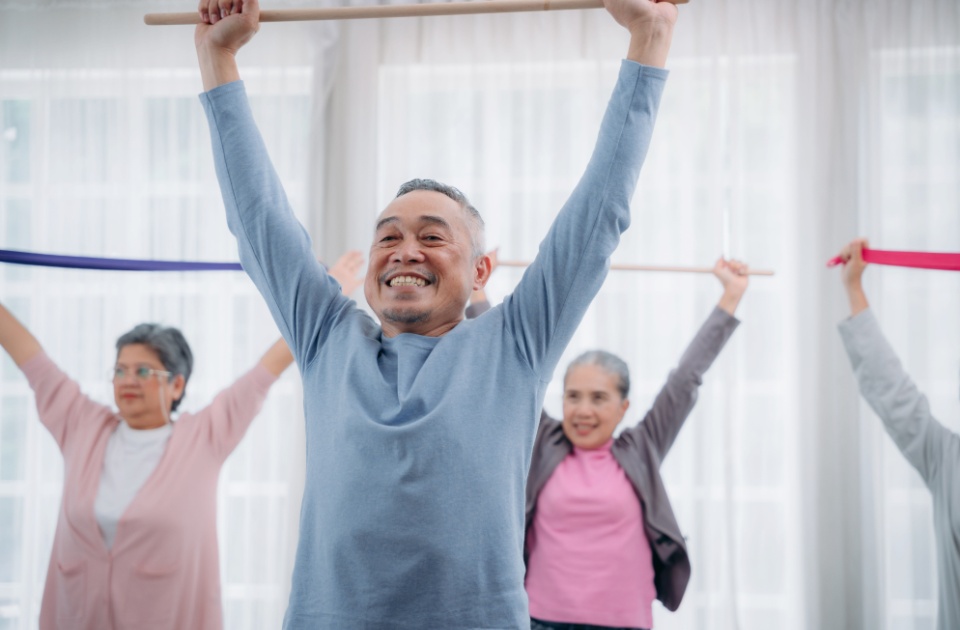
For people with PD, it is most important to strengthen your hip extension muscles, which help you stand up from a chair. Overall, it is important to do resistance exercises for all major muscle groups of the arms, legs, chest, back, and core. Make sure movements are large and work through the entire range of motion.
Balance: Activities That Improve Steadiness
Research strongly supports the benefits of Tai Chi for people with Parkinson’s Disease (PD). One study found that after six months of Tai Chi practice, people with PD experienced fewer falls, improved posture, and better walking ability compared to those who did not practice Tai Chi.
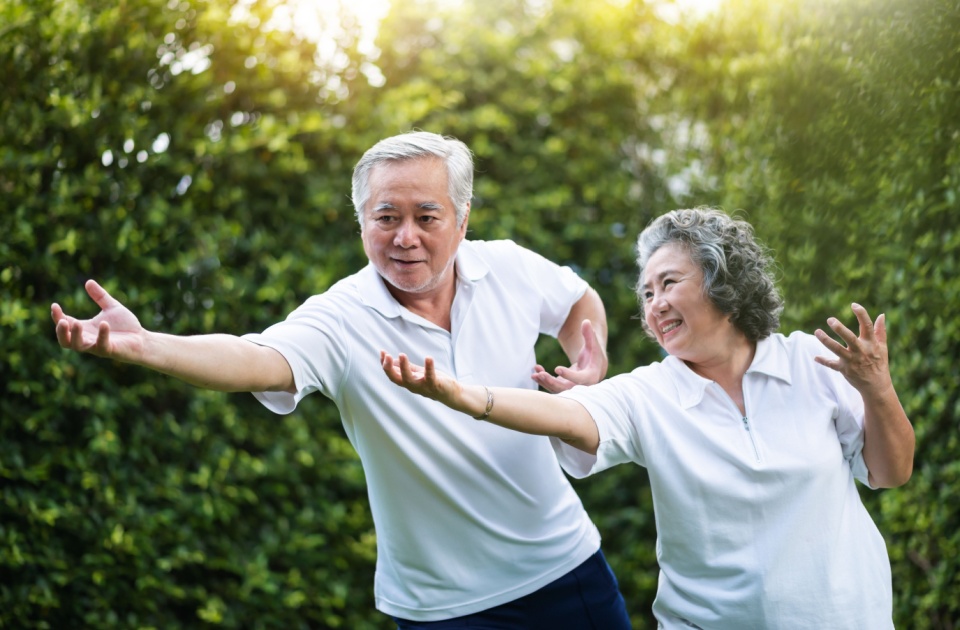
Tai Chi is especially helpful because it incorporates weight shifting and ankle sway to improve postural control, leg strength, and walking ability. Research has shown that people with PD who regularly perform Tai Chi need lower doses of PD medications. From a practical perspective, Tai Chi encourages continuous, flowing movements with a focus on breath work, which promotes relaxation with movement.
Find Something You Enjoy!
But this is also an area where one can get creative. There are many activities that incorporate balance and breath work: yoga, dancing, Qigong, Pilates. Finding something you enjoy is the best way to ensure you will keep doing it!
Stretching: Activities That Improve Flexibility
Stretching activities can improve body awareness and alleviate muscle stiffness and discomfort. It is important for people with PD to stretch to prevent tightness in the muscles that can lead to postural changes.
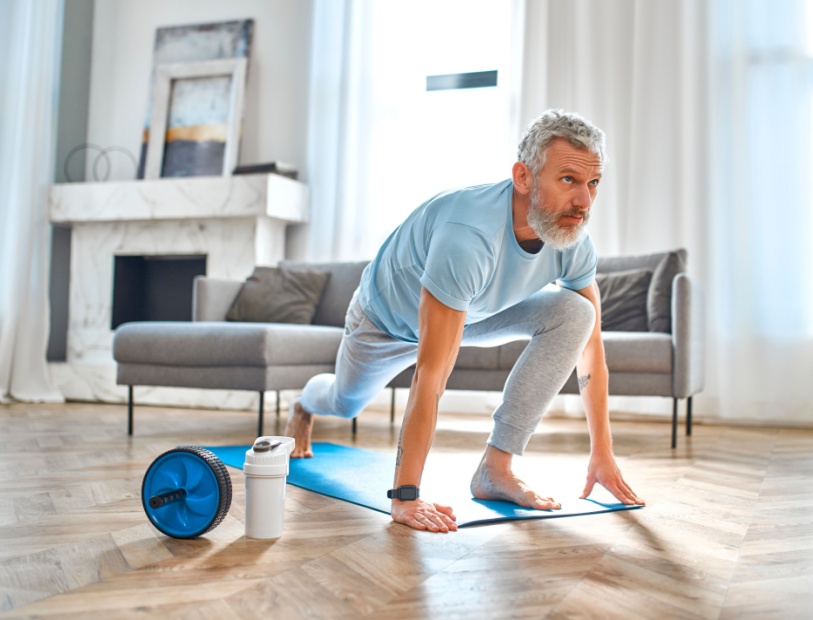
Prioritize stretches for the hamstrings, calves, shoulders, chest, neck, and lower back. Flexible hamstrings and calves facilitate activities like bending and walking, while stretching the chest and neck improves the stooped posture often seen with PD.
How To Get Started?
Talk to your neurologist or primary care doctor to make sure that an exercise regimen is safe for you. Ask for a referral to physical therapy and try to see a therapist that specializes in treating persons with PD. A physical therapist can assess your movement challenges and design a personalized exercise program tailored to your needs.
Move Better, Live Better!
The best exercise is one that your care team approves and that you enjoy because then it will be a routine that you can stick with.
At Be Active Be Well, we have therapists well-trained in the latest treatments for PD, including Parkinson’s Wellness Recovery (PWR!).
Contact us for a personalized Physical Therapy, Occupational Therapy, or Speech Therapy assessment. We provide in-home consultations in the San Francisco Bay Area: Santa Clara, San Mateo, San Francisco, and Marin Counties.
References and Resources
EXERCISE GUIDES for People with PD
- A Guide to Exercise and Wellness for People with Parkinson’s Disease – APDA American Parkinson’s Disease Association
- Exercises for People with Parkinson’s – Parkinson Society Canada
- Living with Parkinson’s: Exercise – Parkinson’s Foundation
CYCLING and Parkinson’s Disease
- Benefits of Cycling for Parkinson’s Disease – Parkinson’s Resource Blog
- Eight-Week Cycling Intervention for Parkinson’s Disease Leads to Improved Gait Biomechanics – Cleveland Clinic
- Pedaling for Parkinson’s – Ann Arbor YMCA
TAI CHI and Parkinson’s Disease
- Effect of long-term Tai Chi training on Parkinson’s disease: a 3.5-year follow-up cohort study – Journal of Neurology, Neurosurgery & Psychiatry
- Tai chi and qigong for Parkinson’s – Parkinson’s Org UK
VIDEOS for Parkinson’s Disease Exercise
Parkinson’s Foundation Fitness Friday Series
Stanford Medicine
OTHER Parkinson’s Disease Resources
- Resources for People Newly Diagnosed with Parkinson’s – The Michael J. Fox Foundation
Joanne Bedwell, PT is the Resident Blogger at Be Active Be Well. She lives and works in San Francisco with her husband and two (almost) grown daughters. Having over 25 years of experience as a physical therapist, she sees clients in their homes and teaches fitness classes in person and virtually.
DISCLAIMER: This article contains information that is intended to help the readers be better informed regarding exercise and health care. It is presented as general advice on health care and is not intended to be a substitute for the medical advice of a licensed physician. Before beginning any new exercise program it is recommended that you seek medical advice from your personal physician. The reader should consult with their doctor in any matters relating to his/her health.
We provide in-home consultations in the San Francisco Bay Area. Contact us for a personalized Physical Therapy, Occupational Therapy, or Speech Therapy assessment in the San Francisco Bay Area: Santa Clara, San Mateo, San Francisco, and Marin Counties.