As we age, one of the first senses to change is our vision. Most people begin to notice changes in eyesight by age 40, and those changes often continue gradually over time. Tasks like reading, distinguishing shadows, or judging steps become more difficult—and these subtle shifts in vision can increase the risk of falls, especially in poorly lit spaces.
At Be Active Be Well, we specialize in home-based physical, occupational, and speech therapy—including home safety assessments. One of the simplest yet most impactful changes we recommend is improving home lighting.
Better Lighting, Fewer Falls
Home Lighting Tips from Our Therapy Team
Here are our top lighting strategies to help you or your loved ones stay safer at home.
🌟 1. Improve Ambient Lighting to Prevent Trips and Missteps
Aging eyes need three to six times more light than younger eyes. Unfortunately, many homes—especially those built decades ago—don’t provide adequate general lighting. Poor ambient lighting makes it harder to spot obstacles on the floor, uneven surfaces, or the edge of a step, all of which increase fall risk.
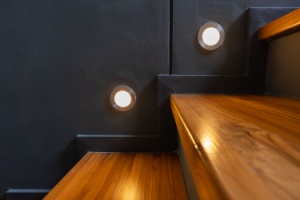
To improve ambient lighting:
- Use bright, even ceiling fixtures in living areas and hallways
- Upgrade to motion-activated lights for nighttime navigation
- Ensure light switches are easy to locate and operate
Better visibility throughout your home reduces hesitation, missteps, and accidents.
💡 2. Use the Right Bulbs to Maximize Safety Without Replacing Fixtures
You don’t need new fixtures to improve lighting. Simply switching to energy-efficient bulbs like LEDs or CFLs can provide much more light without the heat or power draw of old incandescent bulbs.
A 10-watt LED can shine as brightly as a traditional 60-watt bulb. Just be sure to:
- Stay within the fixture’s rated wattage
- Choose “soft white” or “daylight” bulbs for clarity
- Avoid exposed bulbs that create glare
More light means better awareness of surroundings—and that means fewer chances of a fall.
🛋️ 3. Layer Lighting with Lamps for a Safer, Friendlier Home
Overhead lights aren’t enough, especially in older homes where shadows can hide furniture, cords, or uneven flooring. Adding floor and table lamps gives you control over lighting levels and reduces dark areas where falls are more likely.
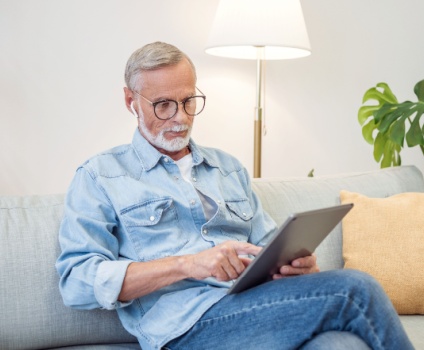
Place lamps in:
- Living room corners and beside chairs
- Bedroom nightstands
- Entryways and stair landings
This helps eliminate shadows and makes the space feel both safer and more inviting.
⚖️ 4. Ensure Lighting is Consistent Between Rooms to Avoid Accidents
Sudden lighting changes—like walking from a brightly lit kitchen into a dim hallway—can confuse the eyes and impact depth perception, especially for older adults. Shadows or glare can trick the brain into thinking the floor is uneven, slippery, or wet.
To improve consistency:
- Use bulbs with the same color temperature throughout your home
- Add motion sensor nightlights to bathrooms, bedrooms, and corridors
- Avoid shiny floors and glossy paint finishes that cause glare
Consistency reduces hesitation and gives your eyes time to adjust naturally—preventing missteps and stumbles.
🌞 5. Use Natural Light to Reduce Reliance on Overhead Fixtures
Sunlight is one of the most efficient ways to brighten your space—and it costs nothing. Letting in natural light during the day helps illuminate rooms without the harshness of artificial lights.
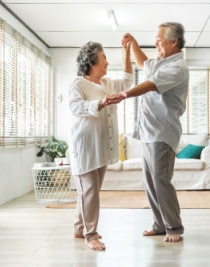
Why it matters:
- Reduces visual strain and glare
- Improves awareness of floor-level hazards
- Supports vitamin D production and mood regulation
Open blinds and curtains each morning, and keep windows clear of heavy coverings.
🎨 6. Light Workspaces for Hobbies to Avoid Eye Strain and Slips
Crafts and hobbies are a great way to stay engaged—but they often require close-up work and sharp focus. Poor lighting can cause eye strain and make it harder to coordinate hand movements, increasing the risk of small accidents.
Consider:
- Task lamps with adjustable brightness
- Magnifying glasses with built-in lights
- Bright, even lighting over desks and tables
If you need to stand or move around while working on a project, good lighting also helps you spot objects on the floor or other hazards.
🏡 7. Let a Professional Help You Spot Lighting Hazards
Not all lighting hazards are obvious. As part of our home safety assessments, our therapists can evaluate your home’s lighting and identify potential risks—like dim stairwells, uneven brightness, or outdated fixtures.
We’ll help you:
- Reduce fall hazards linked to poor lighting
- Choose bulb types and placements that work best for your needs
- Create a personalized plan to improve lighting room by room
✅ Final Thoughts: Bright Homes Are Safe Homes
Falls are a leading cause of injury for older adults—and poor lighting is one of the most preventable contributors. Whether it’s navigating to the bathroom at night or stepping off a stair you didn’t see clearly, the right lighting can make the difference between a safe moment and a serious accident.
Taking the time to evaluate and improve your lighting setup is a powerful step toward
Be Active Be Well
📞 Need help making your home safer? Contact Contact us to schedule a home safety assessment with one of our experienced therapists.
Serving the San Francisco Bay Area—including Santa Clara, San Mateo, San Francisco, and Marin Counties—we bring compassionate, evidence
RESOURCES
Want more fall prevention and home safety tips? Check out our related post:
Aging Safely in Your Own Home: A Comprehensive Guide
Joanne Bedwell, PT, is the Resident Blogger at Be Active Be Well. Based in San Francisco, she lives with her husband and two nearly grown daughters. With over 25 years of experience as a physical therapist, she provides in-home client care and teaches fitness classes both in person and online.
DISCLAIMER: This article contains information that is intended to help the readers be better informed regarding health care issues. It is presented as general advice on health care and is not intended to be a substitute for the medical advice of a licensed physician. The reader should consult with their doctor in any matters relating to his/her health.