
How to Help an Older Adult Transition Away from Driving Safely and Respectfully
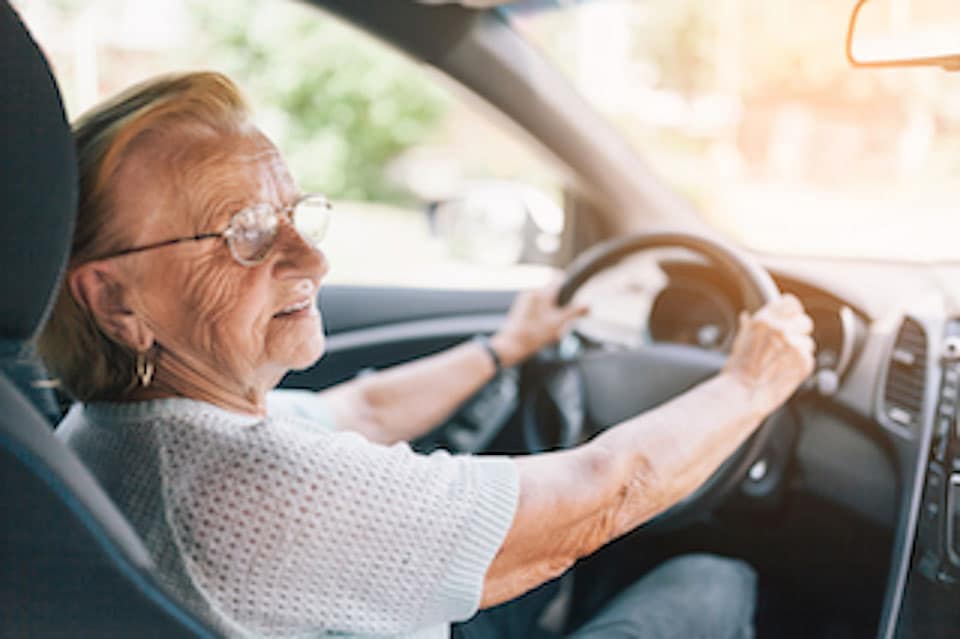
With the end of the tax year approaching, December is also Car Donation Month; a useful reminder that when it’s time to give up driving, there are practical next steps.
There are some great reasons to donate your old car: get a tax donation (SAVE MONEY!); get that old car towed for free (SAVE MONEY!); no more insurance, registration, or maintenance costs (SAVE MONEY!); no annoying paperwork to deal with, charities will handle this for you (SAVE TIME!); support a cause (HAPPINESS ADDS YEARS TO YOUR LIFE!).
But the questions I want to address are these:
How do you know when it’s time for you or someone you love to limit or stop driving?
How do you manage that change with dignity?
Why consider stopping
Drivers aged 70 and older are more likely to crash than most other age groups (aside from those under 25). Older drivers are at increased risk on the road, not always because they’re careless, but because aging brings unavoidable physical changes. Because older adults are more physically fragile, they’re also more likely to be seriously injured. In fact, fatal crash rates are highest for drivers over 80.
What’s perhaps even more concerning is that one study found,
most people continue driving 7–10 years longer than they safely should.
Those extra years can quietly raise the risk for everyone; the driver, their passengers, and others on the road.
The skills required for safe driving are a complex mix of visual perception, cognitive processing, focused attention, and management of multiple tasks. As we age, changes in vision, hearing, reflexes, and cognitive processing make driving more challenging. For example:
by age 60, eyes need roughly 3 times more light to see as clearly as they did at 20,
which makes night driving particularly difficult. Vision can be tested, but reflex and cognitive changes are more difficult to quantify. Older adults may also experience slower reaction time, more difficulty multitasking, and longer processing time for visual information. These gradual changes don’t happen overnight, which makes it easy to underestimate their impact and to keep driving beyond the point of safety.
Warning signs to watch for
Here are common signs that driving abilities may be declining. If you notice several of these, it’s time to reassess.
Visual / auditory
- Difficulty seeing signs, lane markings, during the day or at night
- Unable to hear sirens or horns
Cognitive / attention
- Delayed response to unexpected situations
- Becoming easily distracted or poor concentration
- Getting lost on familiar roads
Behavioral / control
- New dents, scrapes, or “close calls” (fender benders)
- Driving too slowly or too fast for conditions
- Trouble staying in the correct lane or checking blind spots
- Other drivers frequently honking
- Decreased confidence while driving
Assessments and resources
Professional driving evaluations and senior driving programs can provide an objective assessment, and in some cases, help older adults maintain safe driving skills longer.
One such company is The Safe Driver, which serves the San Francisco Bay Area.
If you’re looking for a local evaluator or class elsewhere, start with your state DMV, AARP, or an occupational therapist who specializes in driving rehabilitation.
The conversation — a practical guide
A Personal Note
Before getting into how to approach this conversation, I want to share a brief personal note. My mother, now deceased, chose to stop driving on her own around age 85. Her decision spared my siblings and me the difficult conversation many families eventually face. Not everyone has that experience and if you’re preparing for “the talk,” you’re not alone. These conversations are emotional, complicated, and often necessary, so having a plan can make all the difference.

- Do your prep. Collect specific, discreet observations (dates, times, examples). Avoid vague complaints.
- Plan alternatives. Before you raise the subject, have options ready: rideshare, volunteer driver programs, paratransit, community shuttles, grocery delivery, or family schedules to help with errands. See our other blog, “Getting Around Made Easy,” for information about senior-friendly rideshare options.
- Start respectfully. A good opener is: “I know this may be sensitive, but I’ve noticed a few things about your driving that concern me. Can we talk about it?” Share specific examples and focus on safety and health rather than character.
- Be patient. This may take several conversations and time to accept. Acknowledge the loss, driving is independence, and emphasize ways to remain active and connected.
- Involve a trusted physician. A doctor can provide an objective perspective on safety concerns and help guide next steps. Framing the conversation around health and well-being can make it easier for your loved one to accept support, and the physician can also document concerns if formal evaluation or reporting becomes necessary.
Practical next steps (including donation)

If the decision is made to stop driving:
- Make a transportation plan together (who will do weekly shopping, medical rides, social outings?).
- Consider donating the car (tax benefits, charity support, no more registration/insurance costs). Many charities will handle pickup and paperwork.
- Transfer ownership or legally document the change to avoid future confusion.
If Conversations Stall: Last-Resort Safety Options
If safety concerns are urgent and previous conversations haven’t led to change, there are still steps you can take to protect your loved one, and everyone on the road. These strategies are never easy, but they can help prevent harm while preserving as much dignity as possible.
Consider:
- Temporarily removing access to the car keys and clearly explaining the safety reasons behind the decision. If there is an immediate safety risk, you can hide or “lose” the keys.
- Asking a close friend or family member to “borrow” the car as a temporary, face saving solution.
- Taking the car in for “repairs,” using a mechanic’s recommendation as rationale if the vehicle is no longer safe to operate. (“The mechanic says it’s too expensive to fix.”)
- Disabling the vehicle (such as disconnecting the battery) when there is an immediate risk and no other option.
- Reporting unsafe driving to the state DMV as a final, formal step. This can be done anonymously and may trigger a professional driving evaluation. Then they will be mad at the DMV but there will be peace in the family.
No matter which steps you take, make sure your loved one is set up with reliable transportation alternatives. Losing access to transportation without a plan in place can quickly lead to isolation, stress, and declining physical and mental health. Providing options helps maintain independence, connection, and quality of life as driving needs change.
Be Active Be Well
Ready to get moving again—safely and confidently?
Whether you’re dealing with chronic pain, recovering from an injury, or simply feeling stuck, our expert team is here to help. We offer personalized Physical Therapy, Occupational Therapy, and Speech Therapy assessments, all from the comfort of your home.
Serving the San Francisco Bay Area—including Santa Clara, San Mateo, San Francisco, and Marin Counties—we bring compassionate, evidence-based care right to your doorstep.
Let’s work together to keep your body in motion and your mind at ease. Contact us today to get started!
Joanne Bedwell, PT, is the Resident Blogger at Be Active Be Well. Based in San Francisco, she lives with her husband and two nearly grown daughters. With over 25 years of experience as a physical therapist, she provides in-home client care and teaches fitness classes both in person and online.
DISCLAIMER: This article contains information that is intended to help the readers be better informed regarding health care issues. It is presented as general advice on health care and is not intended to be a substitute for the medical advice of a licensed physician. The reader should consult with their doctor in any matters relating to his/her health.