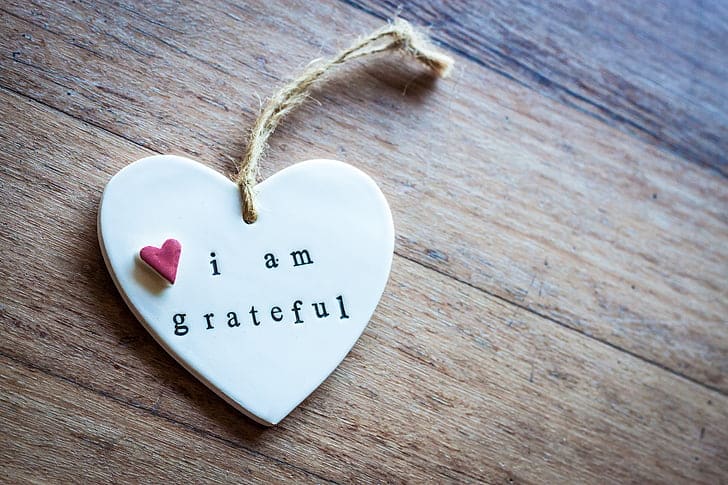
November brings Thanksgiving, and with it, the familiar reminder to think about what we are grateful for. We may gather around the dinner table and take turns naming the people, places, and experiences we appreciate. But gratitude doesn’t have to be reserved for Thanksgiving, or even for the big things in our lives. Gratitude can be a simple practice of noticing.
Gratitude Is About Paying Attention
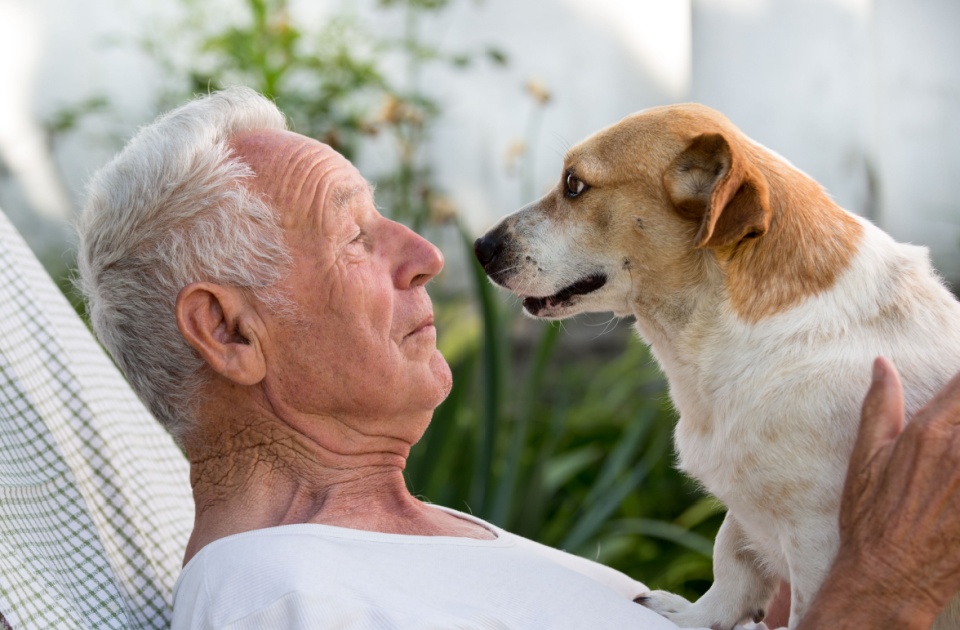
Our brains are naturally good at noticing problems. We pay attention when something hurts, when we’re tired, when our plans don’t work out, or when something isn’t going the way we’d hoped. That’s not necessarily a bad thing. Paying attention to problems helps us solve them. But if we spend most of our time focusing on what’s wrong, we can overlook the things that are going right.
Gratitude gives us an opportunity to deliberately notice those things. Maybe it’s your morning coffee, a beautiful sunset, a good conversation with a friend, or the fact that your body allows you to take a walk around the neighborhood. These things may seem ordinary, but ordinary doesn’t mean unimportant.
Gratitude Isn’t the Same as Positive Thinking
Gratitude also doesn’t mean pretending that everything is wonderful. Life can be difficult. We may be dealing with illness, loss, financial concerns, family challenges, or the changes that naturally come with getting older. Being grateful doesn’t require us to ignore those realities or put a positive spin on everything.
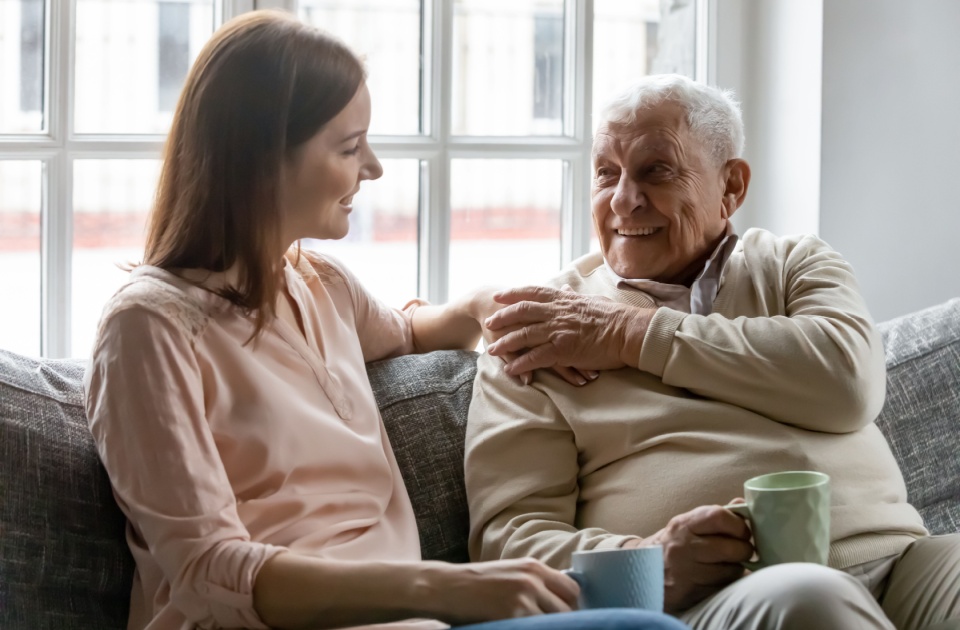
Instead, gratitude allows us to hold two truths at once. Something can be difficult, and there can still be something to appreciate.
- Your knees may not feel the way they did 20 years ago, but you may still be grateful that you can walk around the block.
- Your children may no longer live at home, but you may be grateful for the relationship you have with them now.
- You may be adjusting to changes in your health, while also appreciating the people who support you.
Gratitude doesn’t change the circumstances. It can change what we notice about those circumstances.
Be Specific
If you’ve ever tried keeping a gratitude journal, you’ve probably heard the advice to write down three things you’re grateful for. That’s a fine place to start, but try being specific.
Instead of:“ I’m grateful for my family.”
Try: “I’m grateful that my daughter called me today just to see how I was doing.”
Instead of: “I’m grateful for my health.”
Try: “I’m grateful that my legs are strong enough to take me on my morning walk.”
Instead of: “I’m grateful for my friends.”
Try: “I’m grateful that my friend made me laugh when I really needed it.”
The more specific you are, the more you have to notice.
Try a Gratitude Walk
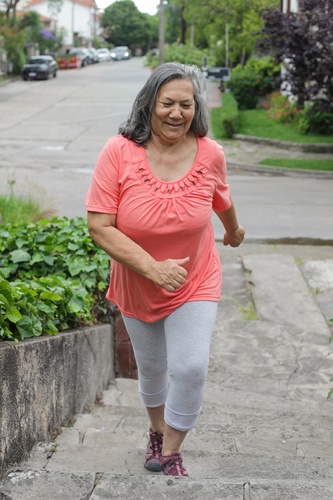
Here’s a simple way to combine gratitude with something else that’s good for you: movement. The next time you go for a walk, spend part of it deliberately noticing things you appreciate. Notice the trees in your neighborhood, the warmth of the sun, a familiar dog that always makes you smile, or simply the ability to move your body. You don’t have to write anything down. Just notice. You might be surprised by how much you see when you’re actually looking for it.
Find Your Own Gratitude Practice
Gratitude doesn’t have to involve a journal. Find a practice that fits naturally into your life.
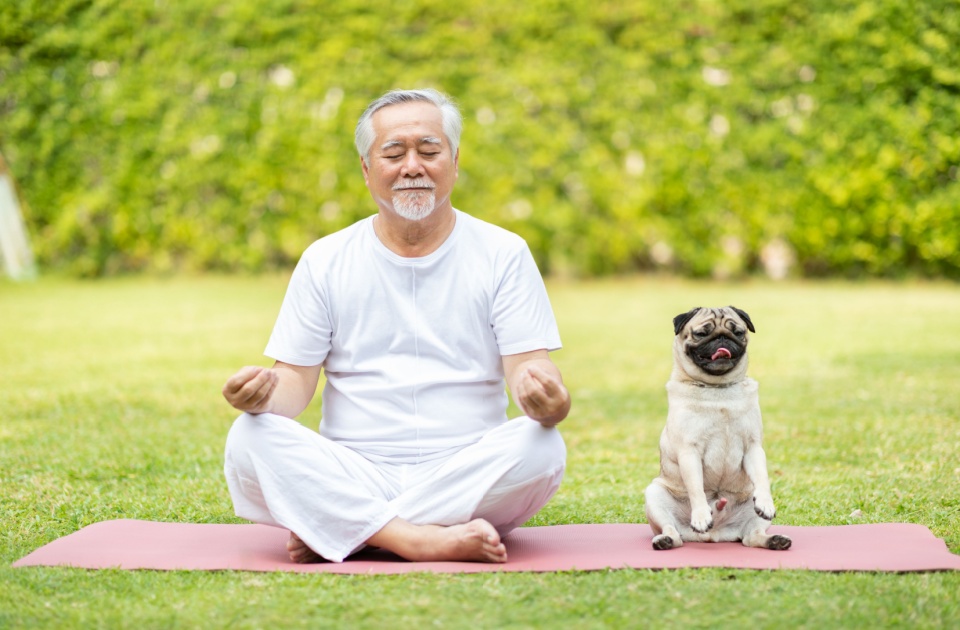
Try one of these:
- At dinner: Ask everyone to share one good thing from the day.
- Before bed: Think of one specific moment you’re grateful for.
- On a walk: Look for three things you might otherwise overlook.
- Send a text: Tell someone you appreciate them and why.
- Take a photo: Capture something beautiful or meaningful that you might otherwise overlook.
- Keep a journal: Write down one to three specific things you’re grateful for a few times a week.

And don’t underestimate the power of saying it out loud. If you’re grateful for someone, tell them. If someone has helped you, thank them. If you appreciate something another person did, be specific about what it meant to you. Gratitude can benefit the person expressing it, but it can also strengthen our connections with the people around us.
Especially as We Age
As we get older, it’s easy to focus on what has changed.
Our bodies may move differently than they once did. Activities that used to feel effortless may require more planning or modification. We may have lost people we love. Our children grow up and move away. Activities that once seemed effortless may require more planning or modification. Those changes are real. But so are the things that remain. We may have gained wisdom, deeper relationships, new interests, and a better understanding of what really matters to us. We may have more appreciation for a morning walk, a good meal, a favorite song, or an afternoon spent with someone we love.
Gratitude doesn’t ask us to forget what we’ve lost. It simply reminds us to notice what we still have. Perhaps that’s the real value of practicing gratitude: not forcing ourselves to be happy, but becoming better at recognizing the good that is already part of our lives.
Be Active Be Well
Ready to get moving again—safely and confidently?
Whether you’re dealing with chronic pain, recovering from an injury, or simply feeling stuck, our expert team is here to help. We offer personalized Physical Therapy, Occupational Therapy, and Speech Therapy assessments, all from the comfort of your home.
Serving the San Francisco Bay Area—including Santa Clara, San Mateo, San Francisco, and Marin Counties—we bring compassionate, evidence-based care right to your doorstep.
Let’s work together to keep your body in motion and your mind at ease. Contact us today to get started!
Joanne Bedwell, PT, is the Resident Blogger at Be Active Be Well. Based in San Francisco, she lives with her husband and two nearly grown daughters. With over 25 years of experience as a physical therapist, she provides in-home client care and teaches fitness classes both in person and online.
DISCLAIMER: This article is intended to provide general information to help readers make informed decisions about exercise and health. It is not a substitute for professional medical advice, diagnosis, or treatment. Always consult your physician or another qualified health provider before starting any new exercise program or making changes to your health care. Never disregard or delay seeking medical advice because of something you have read in this article.