
If you’ve ever had physical therapy, you may have a pretty good idea of what happens during a session. Maybe you did exercises, practiced walking, worked on your balance, or had a therapist use hands-on techniques to help with pain or stiffness.
But physical therapy is much more than exercise and massage.
At its core, physical therapy is about helping people move better, function better, and participate in the activities that matter to them.
To do that, physical therapists look at much more than the body part that is causing trouble. They look at how you move, what you are trying to accomplish, and the environment in which you need to move.
How Do You Move?
Physical therapists are movement detectives
One of the first things a physical therapist does is observe movement.
You may be asked to walk, get up from a chair, climb stairs, reach for something, lift an object, run, change direction, or perform another activity that is difficult for you. The movement might be as simple as getting out of a chair or as complex as changing direction on a tennis court.
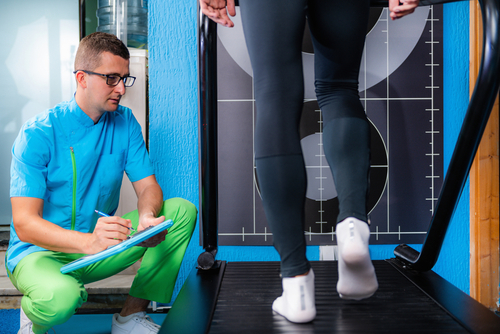
Your physical therapist is looking for clues:
- Where is the movement restricted?
- Are you compensating for weakness, pain, or limited mobility?
- Do you have enough strength to perform the movement?
- How are your balance and coordination?
- Are you moving efficiently?
- Does one side of your body move differently from the other?
- What happens when you repeat the activity or increase the challenge?
Sometimes the source of a problem isn’t where you feel the symptoms.
For example, someone with knee pain going down stairs may have difficulty controlling the movement because of weakness at the hip, limited ankle mobility, poor balance, pain, or a combination of factors. A physical therapist looks at the whole movement rather than focusing only on the painful joint.
What Are You Trying to Do?
Physical therapists are problem solvers
A physical therapist wants to understand what you actually need and want to be able to do.
Most people don’t come to physical therapy because they want to improve their quadriceps strength by one grade on a muscle test. They come because they want to do something that has become difficult. They come because they want to get up from the toilet without assistance, return to pickleball, climb the stairs, get back to gardening, sit comfortably through a workday, lift without pain, return to running, or get back to the activities they enjoy.

That’s where task analysis comes in. If you’re having trouble with a particular movement—getting out of a chair, lifting a box, serving a tennis ball, or running—the therapist may break the activity down into smaller components to determine what is making it difficult.
For example, the therapist may look at:
- How you position your body before and during the movement
- Your strength and mobility
- Your balance and coordination
- Your movement pattern and whether you are compensating in some way
- Whether pain is limiting the movement
- The speed, force, or endurance required
- What happens when you change your technique or strategy
The goal isn’t simply to improve an isolated physical skill. The goal is to help you perform the activities that are important to you.
Where Do You Need to Do It?
Physical therapists determine whether the environment is part of the problem or part of the solution
Movement doesn’t happen in a vacuum.
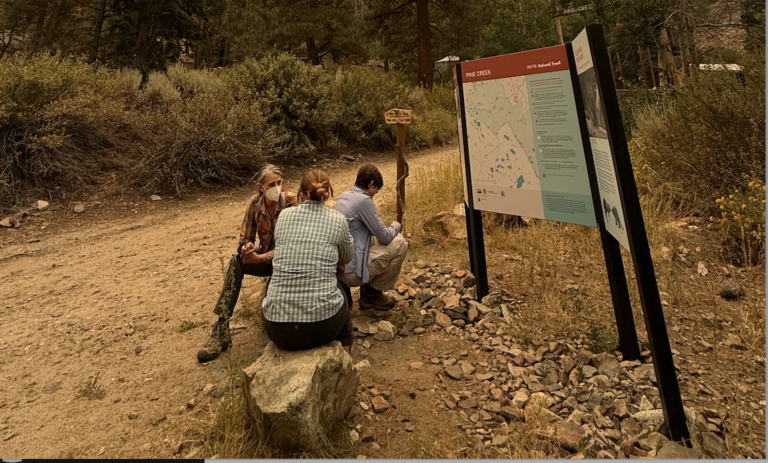
The environment might be your home, but it could just as easily be your workplace, gym, running trail, tennis court, swimming pool, or playing field.

For example, a person may be able to perform an exercise comfortably in the controlled environment of a physical therapy clinic but experience pain when performing the same movement at work. A runner may have good strength and mobility but develop symptoms when increasing mileage or running on hills. An athlete returning from an injury may be able to perform individual exercises but struggle when the speed, direction, surface, or demands of their sport change.
Where and how you move can make a big difference in how successfully you perform an activity. That’s why physical therapists consider the environment in which you need to move, not just what your body is doing.
Depending on your situation, a physical therapist may consider:
- The physical space and equipment available
- The surfaces you move on
- Lighting and visibility
- Repetitive movements or sustained positions at work
- The tools or equipment you use
- The demands of your sport or recreational activity
- Speed, distance, or intensity
- Changes in direction, balance, or coordination
- How frequently you perform the activity
- Other people, obstacles, or environmental factors that affect movement
The goal isn’t simply to help you move well in the therapy clinic. It’s to help you move well in the environment where you actually need to perform.
Sometimes the best solution isn’t another exercise. It may be changing your workstation, modifying equipment, adjusting your training program, changing how you perform a task, or gradually exposing your body to the demands of an activity.
This is one reason physical therapy is so individualized.
So, What Does a Physical Therapist Actually Do?
Physical therapists have more than one tool in their toolbox
Once your physical therapist understands how you move, what you need to accomplish, and what may be getting in your way, they develop a treatment plan.
That plan may include several different approaches.
Education
Understanding what’s causing your symptoms and what you can do about them is an important part of physical therapy.

Your therapist may teach you about your condition, how to manage symptoms, how to pace your activities, how to safely increase your activity level, or how to prevent future problems.
Good education gives you tools you can use between therapy sessions and after therapy ends.
Pain Management
Pain is one of the most common reasons people seek physical therapy. While physical therapists may not be able to eliminate pain immediately, or in some cases eliminate it completely, they can help you understand what may be contributing to your symptoms and develop strategies to manage them.
Pain management may include education about your condition, modifying activities that aggravate your symptoms, finding more comfortable ways to move, and gradually increasing your tolerance for activities that have become painful or difficult.
Depending on the situation, your physical therapist may also use exercise, manual therapy, heat or cold, or other techniques to help reduce symptoms and make movement easier.
The goal isn’t simply to make the pain go away. It’s to help you understand and manage your symptoms so you can move more comfortably and get back to the activities that matter to you.
Exercise Prescription
Exercise is an important part of physical therapy, but it isn’t one-size-fits-all.

Your therapist may prescribe exercises to improve:
- Strength
- Flexibility
- Balance
- Endurance
- Coordination
- Power
- Mobility
- Cardiovascular fitness
The exercises are selected based on your individual needs and goals. Your therapist can also determine how much, how often, and how quickly to progress them. The goal isn’t simply to give you a list of exercises. It’s to prescribe the right exercise for the right person at the right time.
Movement Retraining
Pain, injury, weakness, or inactivity can change the way you move. This type of training is sometimes called neuromuscular re-education. It helps your brain and body coordinate movement more effectively.

Physical therapists can help you practice movements so that they become safer, more efficient, and more automatic. This may include practicing how to walk, climb stairs, get up from a chair, lift an object, use an assistive device, or perform a sport-specific activity.
Manual Therapy
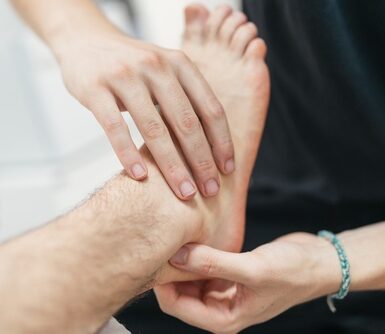
Physical therapists may also use hands-on techniques when appropriate. These can include massage, joint mobilization, soft-tissue techniques, and other forms of manual therapy. They may help decrease pain, improve mobility, or make movement easier.
But manual therapy is generally one component of a larger treatment plan. The goal isn’t simply to make you feel better while you’re on the treatment table. It’s to help you move better when you get off it.
Environmental Recommendations

Sometimes the best way to improve movement isn’t to change the person; it’s to change the environment. Your therapist may recommend modifications to your home, workplace, or exercise environment, such as adjusting a workstation, changing equipment, removing a tripping hazard, or modifying how a task is performed.
Assistive Devices and Equipment
A cane, walker, brace, orthotic, grab bar, shower chair, or other piece of equipment can sometimes make an important activity safer or more manageable. Physical therapists can help determine whether an assistive device or piece of equipment is appropriate and teach you how to use it safely and effectively.
Physical Therapy Is About More Than Your Diagnosis
One of the most important things to understand about physical therapy is that two people with the same diagnosis may need very different treatment. Two people may both have knee arthritis, for example. One may want to return to running. Another may simply want to walk around the grocery store without pain. One may need a strength and running program, while the other may benefit from balance training, a walking program, and strategies for managing daily activities.
Your diagnosis is important, but your goals, abilities, environment, and lifestyle are just as important. That’s what makes physical therapy individualized.
So, What Is Physical Therapy?
It’s not simply massage. It’s not simply stretching. And it’s not simply a list of exercises.
Physical therapy is the process of figuring out why movement is difficult, identifying what is getting in the way, and developing a plan to help you move safely and effectively so you can do the things you want and need to do.
Sometimes that means getting stronger. Sometimes it means improving mobility or balance. Sometimes it means changing the way you perform a task. Sometimes it means modifying your environment. And often, it means combining several approaches.
The ultimate goal isn’t to help you become better at physical therapy.
It’s to help you become better at living your life.

Be Active Be Well
Ready to get moving again—safely and confidently?
Whether you’re dealing with chronic pain, recovering from an injury, or simply feeling stuck, our expert team is here to help. We offer personalized Physical Therapy, Occupational Therapy, and Speech Therapy assessments, all from the comfort of your home.
Serving the San Francisco Bay Area—including Santa Clara, San Mateo, San Francisco, and Marin Counties—we bring compassionate, evidence-based care right to your doorstep.
Let’s work together to keep your body in motion and your mind at ease. Contact us today to get started!
Joanne Bedwell, PT, is the Resident Blogger at Be Active Be Well. Based in San Francisco, she lives with her husband and two nearly grown daughters. With over 25 years of experience as a physical therapist, she provides in-home client care and teaches fitness classes both in person and online.
DISCLAIMER: This article is intended to provide general information to help readers make informed decisions about exercise and health. It is not a substitute for professional medical advice, diagnosis, or treatment. Always consult your physician or another qualified health provider before starting any new exercise program or making changes to your health care. Never disregard or delay seeking medical advice because of something you have read in this article.