When we talk about aging, we often focus on what we might lose; strength, balance, memory, energy, hearing, or vision. But what if we looked at aging from a different perspective? Instead of asking, “What’s wrong?” we could ask, “What abilities do I have, and what can I do to maintain them?”
This is the idea behind intrinsic capacity, a concept used by the World Health Organization (WHO) in its approach to healthy aging. WHO defines intrinsic capacity as the composite of all the physical and mental capacities of an individual. It isn’t simply about whether you have a medical condition. Two people who are the same age, or even have the same diagnosis, can have very different abilities to move, think, interact with others, and manage everyday life. Intrinsic capacity is only part of the picture. Our ability to function also depends on the environment around us. A person with limited mobility may still live independently when their home, community, equipment, and support systems are set up to meet their needs.
Intrinsic capacity is only part of the picture. Our ability to function also depends on the environment around us. A person with limited mobility may still live independently when their home, community, equipment, and support systems are set up to meet their needs.
Intrinsic Capacity Has Five Areas
The WHO identifies five domains of intrinsic capacity.
1. Locomotor Capacity: How well can you move?
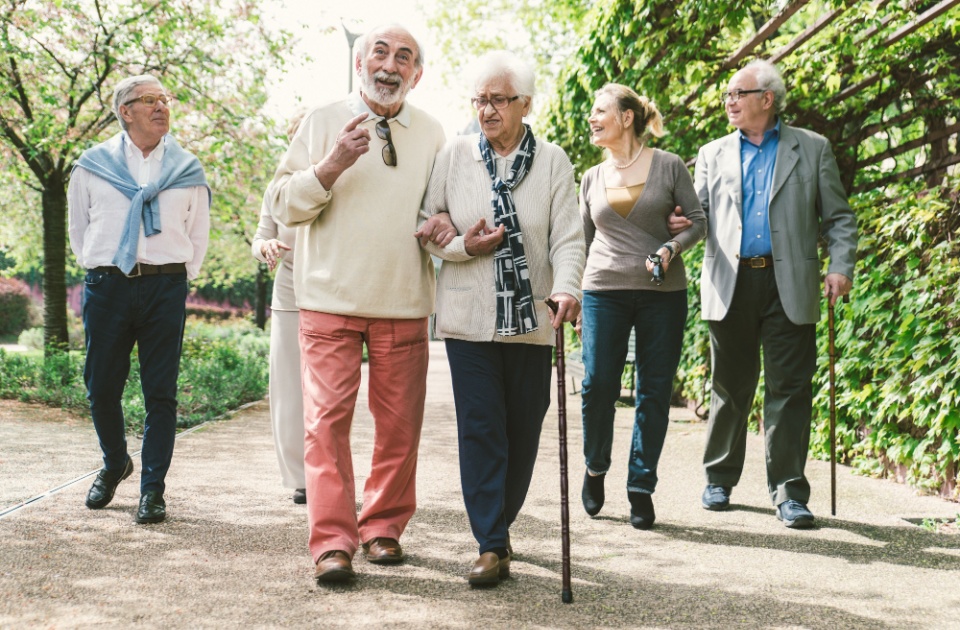
Locomotion is about more than simply walking. It includes the ability to move around your environment and perform the activities that matter to you. Can you get up from a chair? Climb a flight of stairs? Walk across a parking lot? Carry your groceries? Get down on the floor and back up? Strength, balance, coordination, flexibility, and endurance all contribute to how well we move.
The good news is that locomotion is an area where you can often make a difference. Regular physical activity, strength training, balance exercises, and practicing the activities you want to continue doing can help maintain, or in some cases improve, your physical abilities.
2. Vitality: Do you have the physical reserves to function?
Vitality refers to the body’s energy and physical reserves. Nutrition, muscle mass, and overall physical health all play a role.
Why do physical reserves matter? Consider what happens when you get sick or spend several days in bed. Having greater strength and physical reserves can give you more capacity to handle those challenges and recover from setbacks. This is one reason maintaining muscle and strength as we age is so important. Strength isn’t just about what you can lift at the gym. It gives you a reserve to draw upon when life doesn’t go according to plan.
3. Cognitive Capacity: How well can you think and process information?
Cognition involves much more than remembering someone’s name or where you left your keys. It includes attention, learning, problem-solving, decision-making, and the ability to process information. Think about navigating an unfamiliar city, learning how to use a new smartphone, managing medications, following a recipe, or making decisions about your finances. These everyday activities all require cognitive abilities. Just as we challenge our bodies, we can keep our brains engaged by learning new things, reading, solving problems, being curious, and participating in activities that challenge us.
4. Psychological Capacity: How are you coping with life?
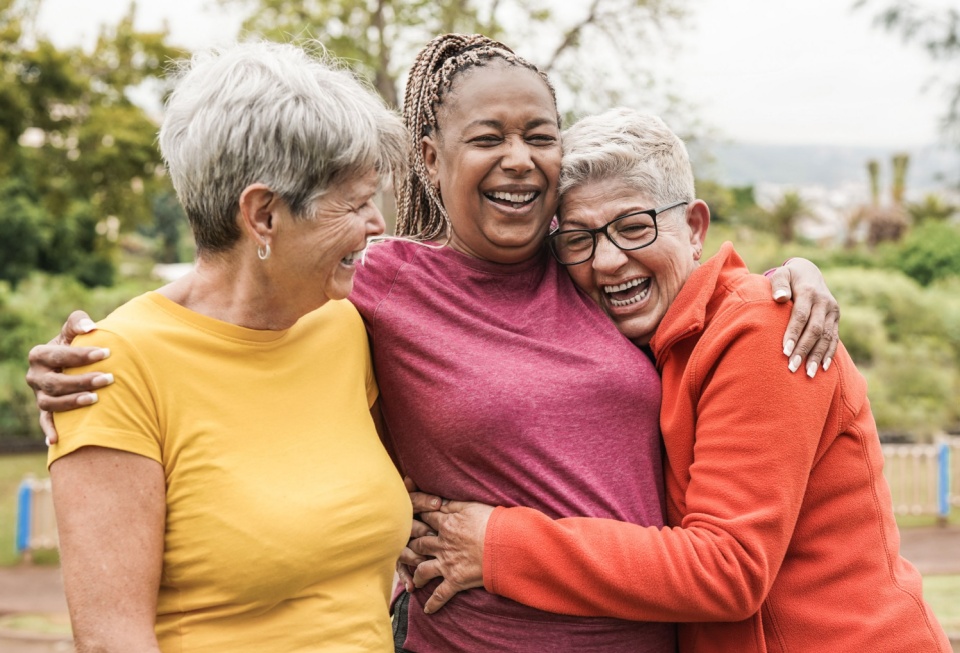
Psychological capacity includes emotional well-being, motivation, and the ability to cope with the challenges of everyday life.
This doesn’t mean being happy or positive all the time. Life includes stress, disappointment, grief, and difficult transitions. Psychological health is about how we manage those experiences and continue to participate in the activities and relationships that give our lives meaning. Staying socially connected, maintaining meaningful relationships, pursuing interests, and asking for help when needed can all be important parts of healthy aging.
5. Sensory Capacity: How well do you see and hear?
Vision and hearing are sometimes overlooked when we think about maintaining our independence. But our senses affect almost everything we do. Difficulty seeing or hearing can influence communication, balance, mobility, driving, safety, and social interaction. Regular vision and hearing checks, and addressing problems when they arise, can help us stay connected to the world around us.
The Good News: Capacity Can Change

One of the most encouraging aspects of thinking about intrinsic capacity is that it isn’t necessarily fixed. Some abilities may decline because of aging, illness, or injury. But other abilities can be maintained or improved. Strength can increase with resistance training. Balance can be practiced. Endurance can improve with regular activity. Nutrition can support muscle and energy. Vision and hearing problems may sometimes be treated or corrected.
Sometimes the goal isn’t improvement; it’s maintenance. Maintaining the abilities you have is an accomplishment, too. That’s an important shift in perspective. Healthy aging isn’t about constantly becoming stronger, faster, or better. It’s about preserving the abilities that allow you to keep doing the things you love.
What Can You Do to Protect Your Intrinsic Capacity?
You don’t have to completely overhaul your life. Small, consistent choices can help support different areas of intrinsic capacity.
- Move regularly. Include aerobic activity, strength training, balance, and mobility. (See our blogs: Move More, Feel Better: 10 Easy Ways to Add Movement to Your Day and Fitness After 50: Three Lifestyle Steps.)
- Eat to support your body. Adequate nutrition helps support muscle, energy, and overall health.
- Prioritize sleep. Rest supports physical, cognitive, and emotional function. (See our blog: Are You Sleep Deprived? 12 Signs and Simple Ways to Sleep Better.)
- Challenge your brain. Read, learn something new, solve problems, or try a new activity. (See our blog: Can We Boost Our Brain Power.)
- Protect your senses. Keep up with vision and hearing screenings and address changes when they occur. (See our blog: The Eye is the Jewel of the body.)
- Stay connected. Relationships and meaningful activities are an important part of healthy aging. (See our blog: Building Meaningful Friendships at Any Age.)
- Pay attention to changes. New difficulty walking, remembering, seeing, hearing, or managing everyday activities is worth discussing with your healthcare provider. (See our blog: A Better Doctor Visit.)
A Personal Look at Intrinsic Capacity
I’ve been physically active for most of my life. I danced when I was younger, did aerobics and weight lifting in the 1980s, mountain biked and cycled in the 1990s, and after having children, I began teaching fitness classes. Exercise has been a consistent part of my life for decades.
At 61, I know that I’m probably stronger and fitter than many people my age. But that doesn’t mean I haven’t noticed changes. I’m working out just as hard as I did 10 years ago, yet I’m not as strong. I can’t always lift the same weights or work at the same intensity. I have to accept that some of the things that once felt easy now require more effort, or that I may need to modify them altogether.
I’ll admit, it’s humbling.
But this is where the idea of intrinsic capacity really resonates with me. My goal isn’t to prove that I can exercise like I did when I was 40 or 50. My goal is to preserve as much of my ability as I can. I don’t know exactly what my strength, balance, endurance, or mobility will look like 10 or 20 years from now. What I do know is that the work I’m putting in today gives me the best chance of maintaining those abilities for as long as possible.
For me, that’s what healthy aging is about—not trying to stop the clock, but continuing to invest in the abilities that will help me live the life I want to live.
Intrinsic Capacity Is About More Than Age

Your chronological age tells you how many years you’ve been alive. It doesn’t tell you everything about what you’re capable of doing. Intrinsic capacity gives us another way to think about aging. Rather than focusing only on what we might lose, it encourages us to pay attention to the abilities we have and think about what we can do to maintain, and when possible, improve them.
So, instead of simply asking, “How old am I?”, perhaps another useful question is: “What do I want to still be able to do?”
Maybe it’s traveling, hiking, gardening, playing with your grandchildren, getting up and down from the floor, living independently, or simply having enough energy to enjoy your day. Whatever your answer, it can help you think about which parts of your intrinsic capacity deserve your attention today.
Be Active Be Well
Ready to get moving again—safely and confidently?
Whether you’re dealing with chronic pain, recovering from an injury, or simply feeling stuck, our expert team is here to help. We offer personalized Physical Therapy, Occupational Therapy, and Speech Therapy assessments, all from the comfort of your home.
Serving the San Francisco Bay Area—including Santa Clara, San Mateo, San Francisco, and Marin Counties—we bring compassionate, evidence-based care right to your doorstep.
Let’s work together to keep your body in motion and your mind at ease. Contact us today to get started!
RESOURCES
Interested in learning more? Explore these in-depth articles for deeper insights.
- Pradeep Paul George, et al, A Rapid Review of the Measurement of Intrinsic Capacity in Older Adults, The Journal of Nutrition, Health and Aging. 2021 Mar 17;25(6):774–782.
- Bautmans I, Knoop V, Amuthavalli Thiyagarajan J et al., WHO working definition of vitality capacity for healthy longevity monitoring, The Lancet Healthy Longevity. 2022 Nov; 3(11):789-796.
Joanne Bedwell, PT, is the Resident Blogger at Be Active Be Well. Based in San Francisco, she lives with her husband and two nearly grown daughters. With over 25 years of experience as a physical therapist, she provides in-home client care and teaches fitness classes both in person and online.
DISCLAIMER: This article is intended to provide general information to help readers make informed decisions about exercise and health. It is not a substitute for professional medical advice, diagnosis, or treatment. Always consult your physician or another qualified health provider before starting any new exercise program or making changes to your health care. Never disregard or delay seeking medical advice because of something you have read in this article.