
In a previous blog, (Small Changes Big Results – How to make healthy habits that last), we discussed how to make healthy habits stick through realistic goal setting. Today, let’s focus on one habit that has the power to improve nearly every aspect of your health: moving more throughout your day.
The good news? You don’t have to spend hours at the gym to see benefits. Small bursts of movement performed consistently throughout the day can add up to meaningful improvements in your health, energy, and overall well-being. (See our prior blog, Exercise Snacks: Why Small Bursts of Movement Count)
Regular physical activity is one of the most important things you can do for your health. And the good news is that everyone can experience the health benefits of physical activity no matter your age, ability, shape, or size.
Why Movement Matters
Regular physical activity is one of the best investments you can make in your health. According to the Centers for Disease Control and Prevention (CDC), staying active can:
- Improve brain health, memory, and mood
- Reduce the risk of heart disease, stroke, type 2 diabetes, and some cancers
- Help manage weight
- Strengthen muscles and bones
- Improve balance and reduce the risk of falls
- Increase energy and make everyday activities easier
- Help you sleep better and reduce stress
Research also continues to show that regular exercise can help reduce the risk of chronic disease, even in people with a family history of those conditions. A recent twin study showed favorable changes in biological markers associated with metabolic disease and a lower risk of heart disease, stroke, and type 2 diabetes compared with their less-active genetically identical siblings. While we can’t change our genes, we can influence how those genes are expressed through lifestyle choices, including physical activity. So let’s get moving!
How Much Activity Do You Need?
Current guidelines recommend:
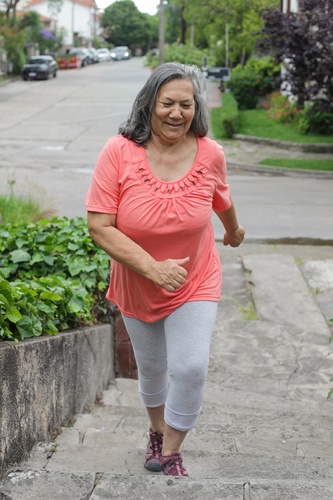
At least 150 minutes of moderate-intensity aerobic activity each week (about 30 minutes, five days a week), or 75 minutes of vigorous activity.
Strength training at least two days per week to maintain muscle mass, bone health, and independence as we age.
For many people, this can feel overwhelming. Indeed, depending on your life or job, finding 30 minutes each day can be a real challenge and if you don’t like “exercise” it will feel like drudgery. But here’s the encouraging part: it all counts. You don’t have to complete 30 minutes at one time. A few minutes here and there throughout your day can quickly add up.
Remember, progress is more important than perfection. Start with one or two simple changes and build from there.
10 Easy Ways to Build More Movement Into Your Day
Here are some ideas to get you started. After reading our list, take a moment to think about the flow of your day. Then brainstorm a list of places you could build activity into your day. And finally, pick a few and give it a try! Let us know how it goes.
1. Take the stairs
Skip the elevator when you can. Your heart, lungs, and leg muscles will all thank you as they get stronger.

2. Park a little farther away
Choosing a parking spot farther from the entrance adds extra steps with very little extra time. Or get off the bus 1 stop early and walk the remaining distance. Take some deep breaths of fresh air while you do.

3. Turn waiting into moving
March in place while your coffee brews. It will help wake you up! Do heel raises while waiting in line at the grocery store. What else have you got to do during that time?

And remember, movement can be contagious! I started doing some simple stretches while waiting in line at the pharmacy, and before long, other people in line started stretching too. You never know; you might inspire someone else to move, too!
4. Stand up every hour
If you spend much of your day sitting, set a timer to stand, stretch, or walk around for two or three minutes every hour.
5. Walk while you talk
Take phone calls while walking around the house, office, or neighborhood whenever possible.
6. Make social time active
Instead of meeting friends for coffee, meet for a walk. You’ll enjoy the conversation and the exercise. Make it a weekly date!

7. Add strength to your routine
Try 5–10 air squats before meals, Build up your appetite! Or practice standing on one leg while brushing your teeth. You can also add a few wall or desk push-ups throughout the day. Small doses of strengthening exercises can add up over time.
8. Move during your workday
Take a short walk at lunch. Consider organizing your co-workers into a lunch walking group. A 15 minute walk at lunch is halfway to 30 minutes.
Hold a walking meeting, or stand during meetings when appropriate. You may be surprised by how much more focused, and how much shorter, the meeting becomes! Do 5 desk pushups every time you return from the bathroom. You will start a trend!
9. Chores are exercise
Vacuuming, gardening, carrying groceries, washing the car, and cleaning the house all get your body moving. They count!

10. Find ways to stay accountable
A fitness tracker, smartwatch, or simple pedometer can help you stay motivated and celebrate your progress. Even keeping a daily checklist of your movement goals can make a difference. You can also join a group fitness class, walking group, or find a friend to be your movement buddy. Having someone else involved can make it easier, and more fun, to stick with your goals.
Small Changes Big Results
You don’t need to become an athlete to improve your health. The key is finding sustainable ways to move more consistently.
This week, choose just one or two ideas from this list and make them part of your daily routine. Once they become habits, add another.
Remember, every step, stretch, and squat counts. Over time, those small choices can lead to stronger muscles, better balance, improved energy, and a healthier, more active life.

Be Active Be Well
Ready to get moving again—safely and confidently?
Whether you’re dealing with chronic pain, recovering from an injury, or simply feeling stuck, our expert team is here to help. We offer personalized Physical Therapy, Occupational Therapy, and Speech Therapy assessments, all from the comfort of your home.
Serving the San Francisco Bay Area—including Santa Clara, San Mateo, San Francisco, and Marin Counties—we bring compassionate, evidence-based care right to your doorstep.
Let’s work together to keep your body in motion and your mind at ease. Contact us today to get started!
Joanne Bedwell, PT, is the Resident Blogger at Be Active Be Well. Based in San Francisco, she lives with her husband and two nearly grown daughters. With over 25 years of experience as a physical therapist, she provides in-home client care and teaches fitness classes both in person and online.
DISCLAIMER: This article is intended to provide general information to help readers make informed decisions about exercise and health. It is not a substitute for professional medical advice, diagnosis, or treatment. Always consult your physician or another qualified health provider before starting any new exercise program or making changes to your health care. Never disregard or delay seeking medical advice because of something you have read in this article.