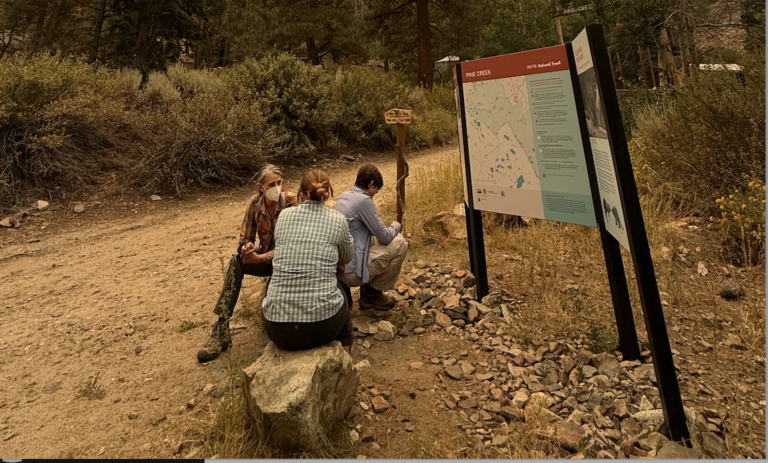
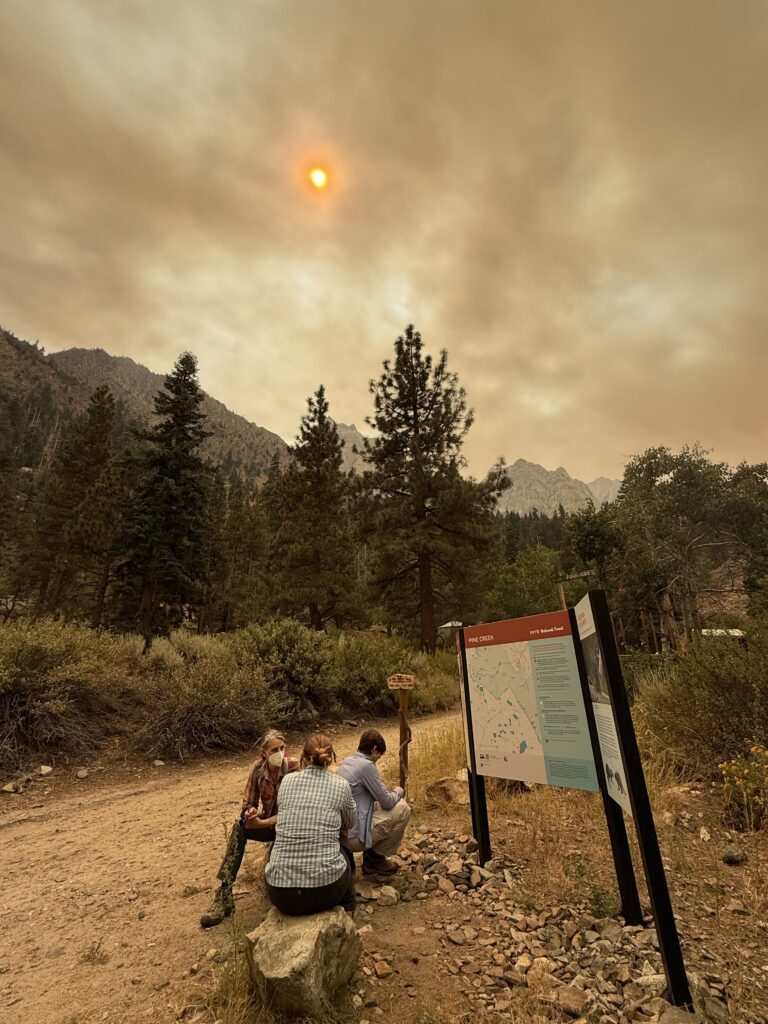
You wake up, look outside, and notice a hazy sky. Maybe you smell smoke. You have a walk planned, a fitness class, or yard work to do. How do you know whether it’s safe to go outside?
What Is the AQI and What Should I Do at Each Level?
The Air Quality Index (AQI) is EPA‘s system for communicating outdoor air quality and its potential health effects. The AQI uses numbers and colors to make it easier to understand when air quality is healthy and when you may need to modify your activities. The higher the AQI, the greater the level of air pollution and health concern.
Think of the AQI as a traffic light for the air: green means go, yellow means use caution, and as the colors move toward red, purple and maroon, it’s time to take greater steps to reduce your exposure.
0–50 🟢 Good
- Enjoy your normal outdoor activities.
- Go for your walk, hike, bike ride or outdoor workout.
51–100 🟡 Moderate
- Most people can continue normal activities.
- If you are sensitive to air pollution, pay attention to symptoms. Consider reducing prolonged or strenuous outdoor exercise if conditions are bothering
101–150 🟠 Unhealthy for Sensitive Groups
- Sensitive individuals should reduce prolonged or strenuous outdoor activity.
- Everyone should consider reducing prolonged exposure if smoke is present.
- Consider moving your workout indoors.
- Everyone should pay attention to symptoms.
- If wildfire smoke is present and you need to be outdoors, consider a well-fitting N95 respirator to reduce your exposure to fine particles.
AQI 151+: Red and above
151-200 🔴 Unhealthy 201-300 🟣 Very Unhealthy 301+ 🟤 Hazardous
- Postpone outdoor exercise and strenuous work.
- Move activities indoors where the air can be filtered.
- If you must go outside, reduce the amount of time spent outdoors and consider a well-fitting N95 respirator.
- If you need to drive during smoky conditions, keep the windows closed and use the vehicle’s recirculate setting. A well-fitting N95 respirator may provide additional protection if smoke levels are very high or you are particularly sensitive to smoke.
The official AQI categories are exactly these six color-coded ranges.
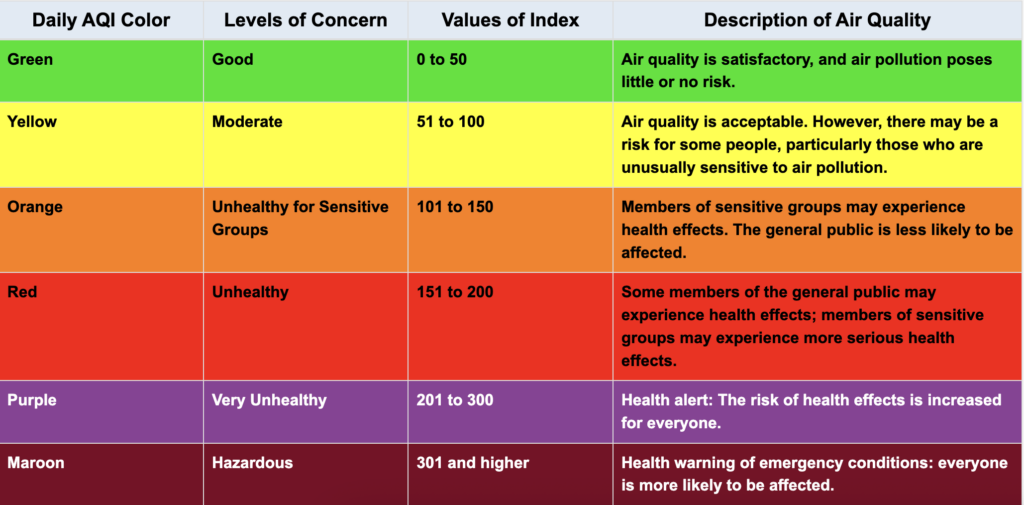
(Table courtesy of AirNow)
Why wildfire smoke is particularly concerning
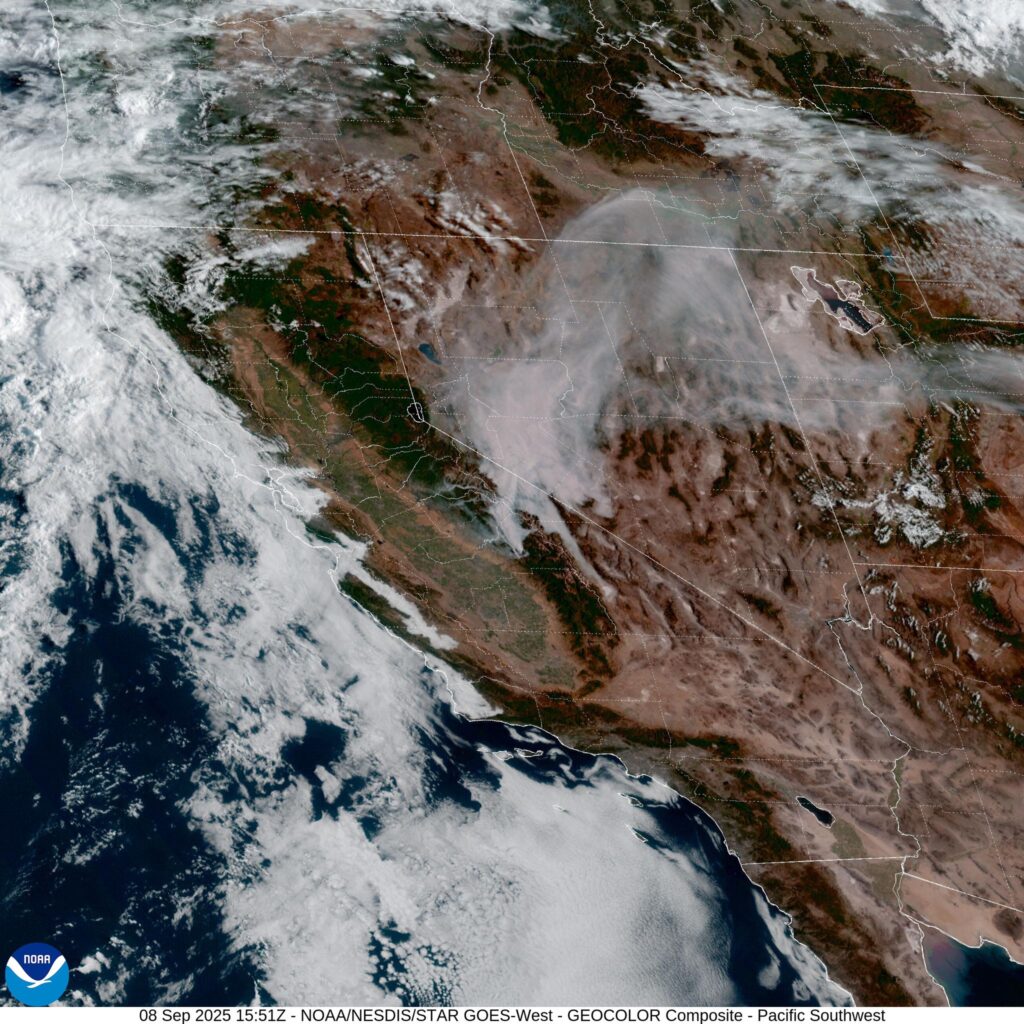
Wildfire smoke contains gases and very small particles. The tiny particles called PM2.5 are particularly concerning because they can travel deep into the respiratory system. Smoke exposure can cause irritation, coughing, wheezing and difficulty breathing and can aggravate existing heart and lung conditions.
Think of PM2.5 as particles so small that your body’s normal defenses have a harder time stopping them from getting deep into your lungs.
Who needs to be especially careful?
Everyone should pay attention to poor air quality, but some people have less room for error.
- Older adults
- Children
- People with asthma or other lung disease
- People with heart disease
- Pregnant individuals
- People who work or exercise outdoors
AirNow specifically identifies older adults, children, people with heart or lung disease, and people with greater outdoor exposure as groups at higher risk.
Don’t forget: AQI can change during the day
Air quality can change significantly throughout the day. You might see a poor AQI at 8 a.m. and assume the entire day is a lost cause, or see a good reading and assume it will remain good. The AirNow Fire and Smoke Map provides current PM2.5 information, smoke plumes, fire locations and forecasts when available.
Smoke isn’t always visible or easy to smell, so check the current AQI and PM2.5 levels before spending time outdoors. Check before you head outside and check again if you’re going to be outside for several hours.
September 9, 2025 @ 5:30pm Vs September 10, 2025 @ 7:00am
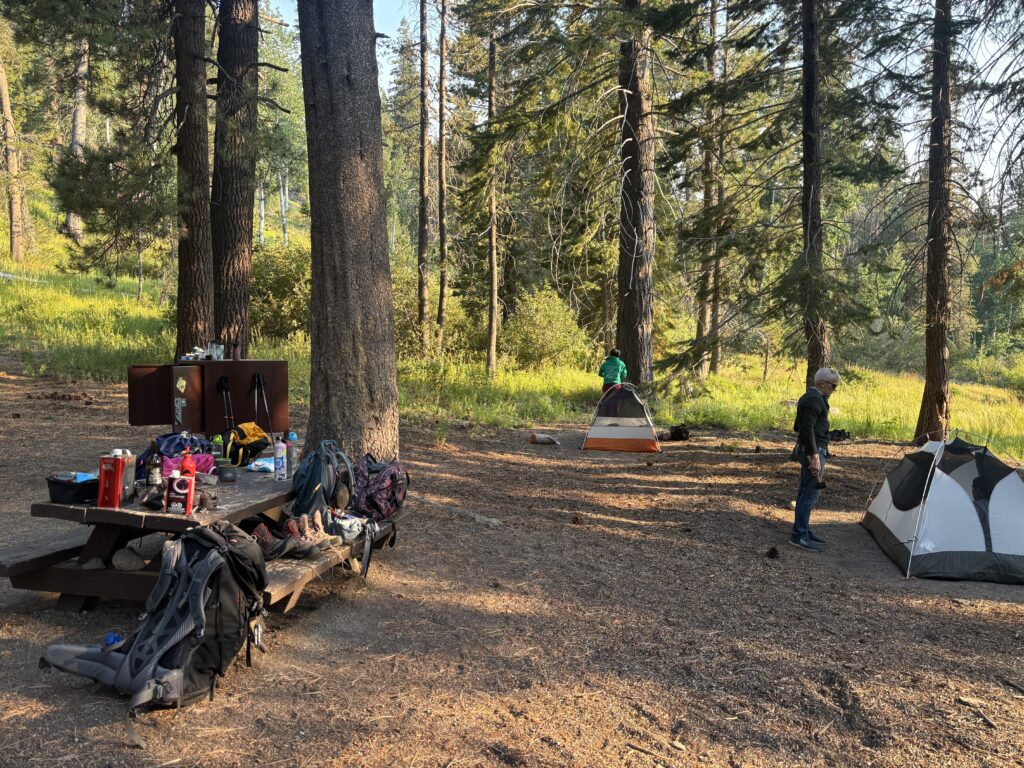
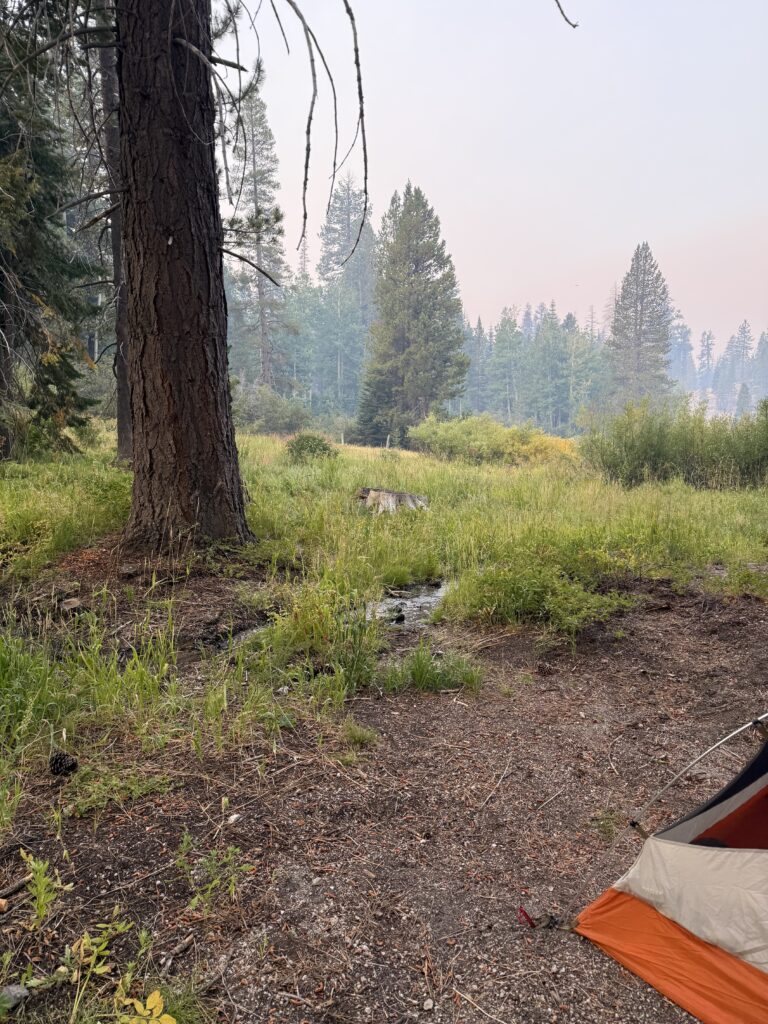
A Personal Example: When Wildfire Smoke Changed Our Plans
Don’t rely on your eyes or nose alone.
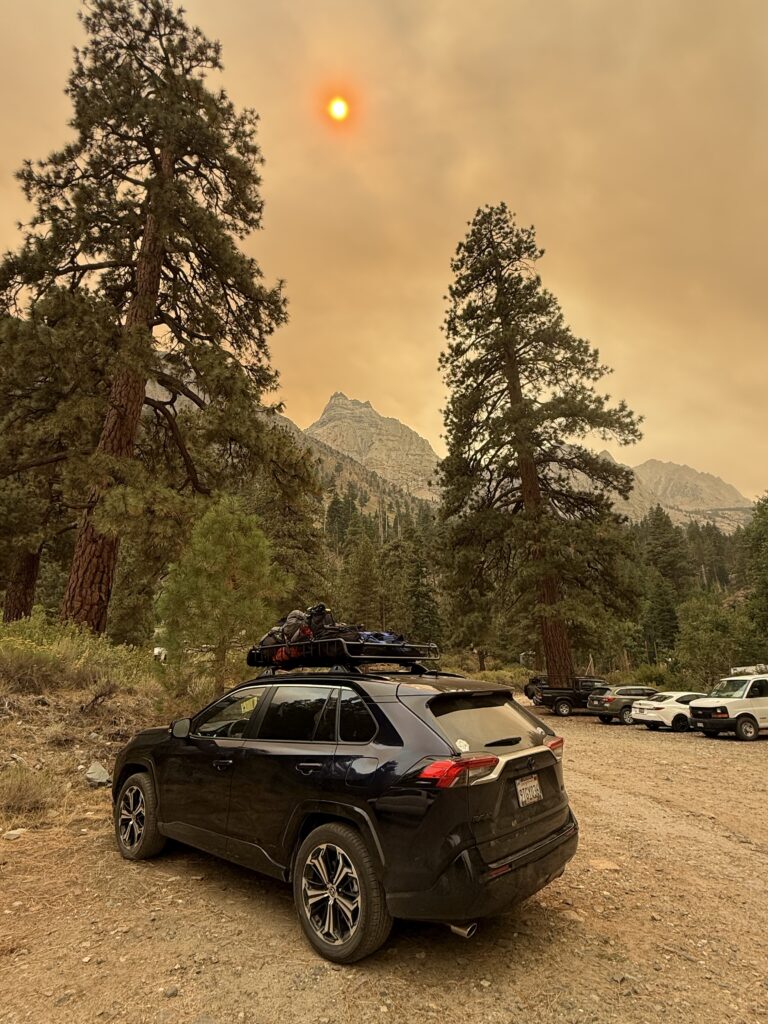
Last year, my family and I were camping near Mammoth, California, and preparing to go backpacking when wildfire smoke from the Yosemite area moved into the region. The conditions changed quickly. The air was perfectly clear when we went to sleep, but during the night, I woke up with my eyes burning from smoke. When we got up, we could smell and see that the air quality had changed dramatically. The AQI had gone from GREEN to RED.
We had put a lot of time and effort into planning and preparing for our backpacking trip, so canceling was a difficult decision. But it was the safest decision for our health. We packed up and spent the night in a hotel instead.
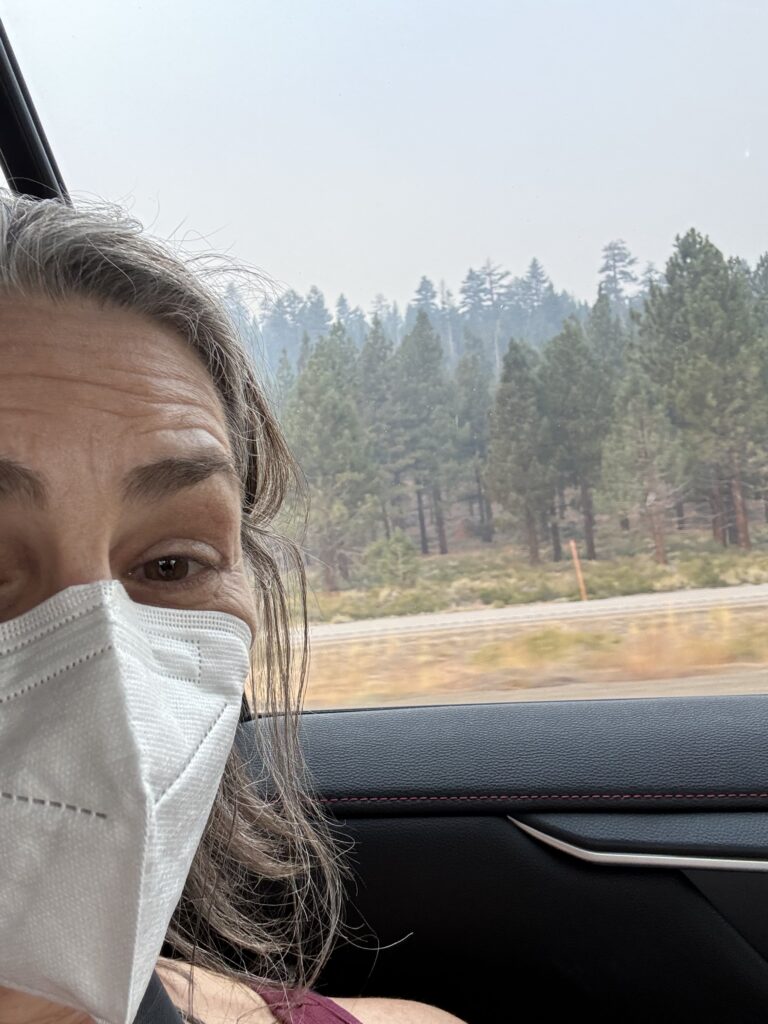
The next day, as we drove out of the area toward cleaner air, the AQI was over 1,000. Values above 500 are considered “Beyond the AQI,” meaning they are beyond the standard AQI scale and should be treated as hazardous. The smoke was so intense that we could actually feel the smoke and particulate matter inside the car. We kept the windows closed and wore N95 masks while driving.
It was a powerful reminder that wildfire conditions can change quickly and that sometimes being active and healthy means knowing when to change your plans. Canceling a trip we’d worked so hard to prepare for wasn’t the decision we wanted to make, but it was the right decision for our health and safety.
What about exercising when the AQI is poor?
Bad air isn’t a reason to abandon movement, it is a reason to change the type, intensity, location or timing of your activity. You don’t have to choose between “exercise” and “do nothing.”
When air quality deteriorates:
- Move your workout indoors to a location with good air filtration and minimal outdoor air infiltration.
- Walk inside a mall or large building.
- Use a treadmill, stationary bike or elliptical.
- Do strength training at home.
- Try an indoor yoga or mobility session.
- If you must be outside, shorten the duration and reduce the intensity when appropriate.
But always listen to your body. If you develop coughing, wheezing, chest tightness, unusual shortness of breath, dizziness, or difficulty breathing, stop exercising and move to an area with cleaner air. If you develop significant breathing problems or other concerning symptoms, seek medical advice about what is appropriate for you.
What can you do inside your home?
When smoke is outside:
- Keep windows and doors closed when appropriate.
- Set HVAC systems to recirculate rather than drawing in outdoor air.
- If you have central HVAC, consider using a MERV 13 or higher filter if your system can accommodate it.
- Use a properly sized portable air cleaner.
- Consider creating a clean-air room.
- Avoid activities that add indoor pollutants, such as burning candles or using a wood-burning fireplace.
- Don’t vacuum when smoke levels are high if it will stir up particles.
One important caveat: closing windows isn’t always the answer during extreme heat. If you don’t have air conditioning and your home becomes dangerously hot, you may need to seek a cooler location with cleaner air.
What about masks?
A properly fitting, NIOSH-approved N95 respirator can significantly reduce your exposure to fine particles in wildfire smoke. Cloth, surgical and other loose-fitting masks do not provide the same protection against wildfire smoke. If you must be outside: Reduce time/intensity and use an appropriate respirator.
Before your walk or workout, ask yourself:
1. What’s the AQI? Check Air Now.
2. What’s causing the poor air quality? During wildfire season, look specifically at PM2.5 and smoke.
3. How do I feel? Don’t ignore coughing, wheezing, chest tightness, unusual shortness of breath or other symptoms.
4. Do I need to modify my activity? Change the location, intensity, duration or timing.
5. Can I get the same movement indoors? When the air is unhealthy, indoor movement is a smart alternative—not a failure to exercise.
Bad air isn’t a reason to abandon movement; it is a reason to change the type, intensity, location, or timing of your activity.
RESOURCES
- EPA Wildfire Smoke and Health Factsheets – resources on smoke exposure, clean-air rooms, indoor filtration, heat and smoke, and higher-risk populations.
- Air Now – current AQI
- AirNow Fire and Smoke Map – wildfire smoke and PM2.5
- California Air Resources Board (CARB) – California-specific air-quality information
Be Active Be Well
Ready to get moving again—safely and confidently?
Whether you’re dealing with chronic pain, recovering from an injury, or simply feeling stuck, our expert team is here to help. We offer personalized Physical Therapy, Occupational Therapy, and Speech Therapy assessments, all from the comfort of your home.
Serving the San Francisco Bay Area—including Santa Clara, San Mateo, San Francisco, and Marin Counties—we bring compassionate, evidence-based care right to your doorstep.
Let’s work together to keep your body in motion and your mind at ease. Contact us today to get started!
Joanne Bedwell, PT, is the Resident Blogger at Be Active Be Well. Based in San Francisco, she lives with her husband and two nearly grown daughters. With over 25 years of experience as a physical therapist, she provides in-home client care and teaches fitness classes both in person and online.
DISCLAIMER: This article is intended to provide general information to help readers make informed decisions about exercise and health. It is not a substitute for professional medical advice, diagnosis, or treatment. Always consult your physician or another qualified health provider before starting any new exercise program or making changes to your health care. Never disregard or delay seeking medical advice because of something you have read in this article.