What the Research Reveals
Exercise and Parkinson’s Disease: Why It Matters
Exercise is now recognized as a cornerstone of Parkinson’s disease management. Research consistently shows that regular physical activity can improve mobility, balance, strength, endurance, mood, and quality of life.
Scientists now believe that exercise does more than simply improve fitness. Emerging evidence suggests that exercise may enhance the efficiency of dopamine-related brain pathways, promote neuroplasticity (the brain’s ability to adapt and strengthen neural connections) and potentially exert disease-modifying effects that could help slow the progression of motor symptoms. While researchers continue to investigate these mechanisms, the evidence supporting exercise as an essential component of Parkinson’s disease treatment continues to grow.
But does the type of exercise matter?
In recent years, researchers have investigated several forms of exercise that may offer unique benefits for people living with Parkinson’s disease. Let’s take a closer look at what the research says about four popular options: cycling, boxing, kayaking-inspired exercise, and dance.
The Big Picture: The Best Exercise Is the One You’ll Keep Doing
Before diving into specific activities, it’s important to remember one key message:
The strongest evidence supports regular aerobic exercise and physical activity in general.
While certain activities may offer additional benefits, no single exercise has been proven to be universally superior for everyone with Parkinson’s disease. Factors such as enjoyment, accessibility, safety, and consistency may be just as important as the specific type of exercise chosen.
Cycling and Parkinson’s Disease
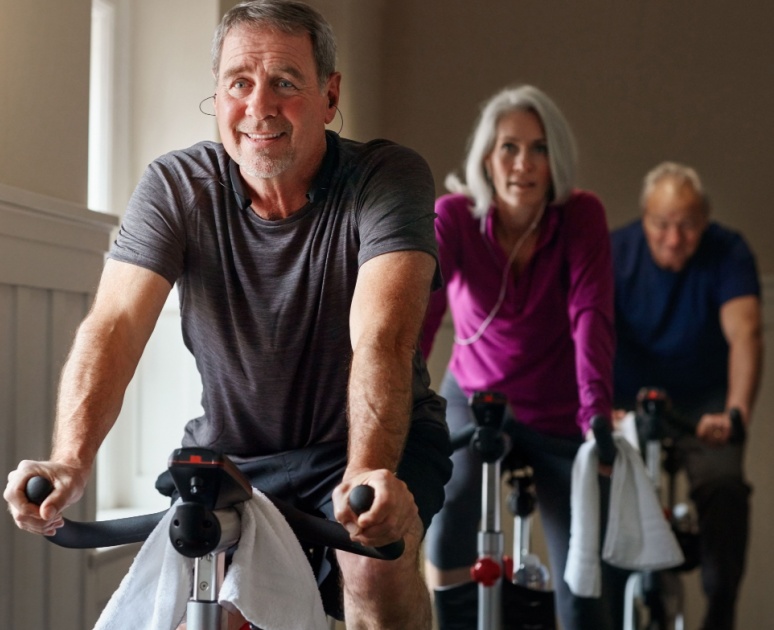
Why Researchers Are Interested in Cycling
One of the most fascinating observations in Parkinson’s disease is that many individuals who struggle with walking or experience freezing of gait can still ride a bicycle successfully.
This observation has led researchers to investigate whether cycling may provide unique neurological benefits.
What Does the Research Show?
Research consistently demonstrates that cycling can:
- Improve cardiovascular fitness
- Improve walking ability
- Improve endurance
- Reduce overall disease severity
- Improve motor symptoms
A 2025 study found that after 12 cycling sessions over four weeks, participants demonstrated measurable changes in brain signals involved in motor control and movement. These findings suggest cycling may help strengthen neural pathways affected by Parkinson’s disease.
Does Cycling Work Better Than Other Aerobic Exercise?
This is where things become less clear.
Current evidence suggests that cycling produces benefits similar to other aerobic exercises such as treadmill training and walking programs. Researchers have not yet established that cycling is superior to other forms of aerobic exercise.
Does Cadence Matter?
Some studies suggest that higher cycling cadences may be particularly beneficial.
Researchers have reported that participants who maintained cycling speeds of at least 75 revolutions per minute (RPM) experienced greater improvements than those cycling at lower cadences.
Possible reasons include:
- Increased sensory input to the nervous system
- Greater activation of motor pathways
- Improved movement coordination
- Enhanced neuroplasticity, or the brain’s ability to reorganize and strengthen neural connections
Emerging research also suggests that vigorous, high-cadence cycling may influence dopamine-related brain circuits and produce changes in brain activity similar to those seen with Parkinson’s medications. While scientists are actively studying whether exercise has neuroprotective effects, there is currently no definitive evidence that cycling preserves dopamine-producing neurons or slows disease progression in humans.
Practical Takeaway
If cycling is enjoyable and accessible:
- Consider supervised cycling when appropriate
- Try instructor-led classes or external cueing
- Incorporate higher-cadence intervals if tolerated
- Focus on consistency rather than perfection
Boxing and Parkinson’s Disease
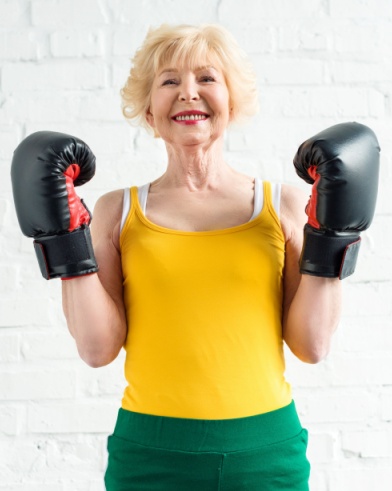
Why Boxing?
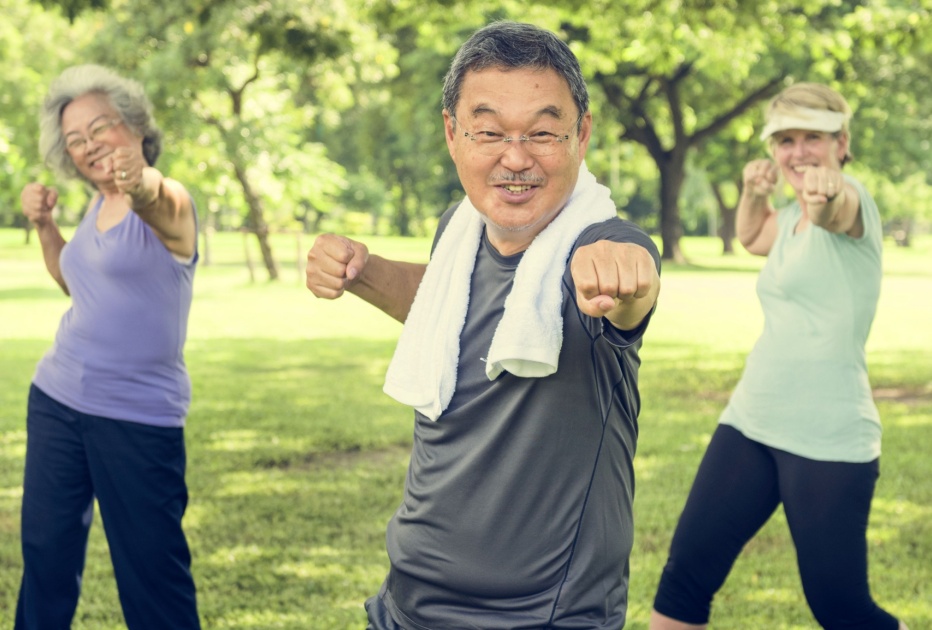
Adapted boxing programs such as those offered at Rock Steady Boxing in San Francisco have become increasingly popular among people with Parkinson’s disease.
Unlike traditional boxing, these programs are typically non-contact and focus on fitness, balance, coordination, and reaction time.
What Does the Research Show?
Research suggests boxing is:
- Safe and feasible
- Effective for improving balance
- Helpful for gait and mobility
- Beneficial for endurance and fitness
- Potentially beneficial for mood and confidence
Many boxing drills naturally address challenges commonly experienced by people with Parkinson’s disease, including:
- Large-amplitude movements
- Weight shifting
- Dual-task activities
- Quick directional changes
- Cognitive engagement
Current Limitations
Although results are promising, much of the research consists of small clinical trials and observational studies. Larger studies are still needed to determine whether boxing offers advantages over other exercise programs.
Practical Takeaway
Boxing combines physical exercise, cognitive challenge, and social engagement, making it an appealing option for many individuals with Parkinson’s disease. Because boxing programs are typically offered in group settings, they also provide valuable opportunities for social connection, peer support, and motivation; factors that improve adherence and enhance overall quality of life.
Kayaking-Inspired Exercise and Parkinson’s Disease
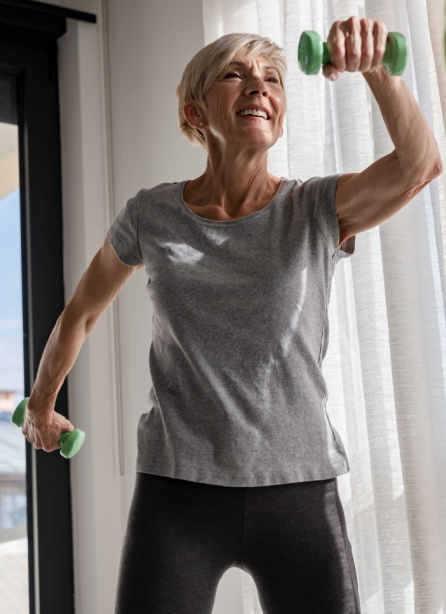
An Emerging Area of Research
Compared with cycling and boxing, kayaking-related exercise has received much less research attention.
However, there is growing interest in exercises that mimic the paddling motion because Parkinson’s disease often affects trunk mobility and rotational movement.
What Does the Research Show?
A small randomized study examined a kayaking-style exercise program that emphasized large, rhythmic trunk rotation movements.
Participants demonstrated:
- Improved neck and trunk mobility
- Improved bed mobility
- Improved functional movement
Both exercise groups improved, but the kayaking group showed somewhat greater gains in axial flexibility.
Why Might It Help?
Many people with Parkinson’s disease develop:
- Reduced trunk rotation
- Forward-flexed posture
- Difficulty turning
- Difficulty rolling in bed
The paddling motion may directly address these movement limitations.
Practical Takeaway
Although research remains limited, kayaking-inspired exercises may be a useful addition to a comprehensive Parkinson’s exercise program, particularly for improving trunk mobility and rotational movement.
Dance and Parkinson’s Disease
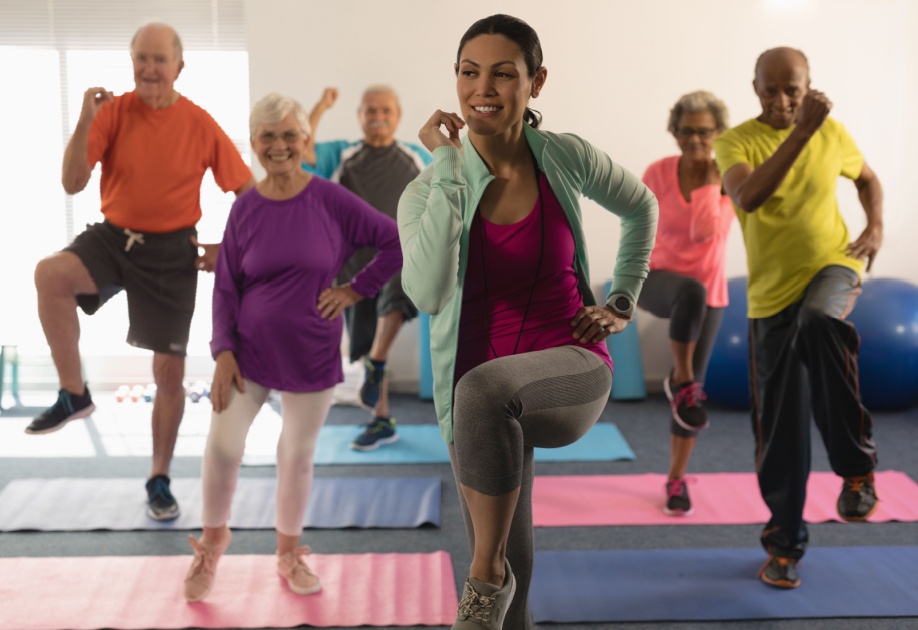
One of the Most Studied Exercise Approaches
Among specialized exercise programs for Parkinson’s disease, dance has one of the largest research bases.
Over the past decade, researchers have published numerous studies examining dance interventions including:
- Tango
- Ballroom dance
- Contemporary dance
- Parkinson’s-specific dance programs
What Does the Research Show?
Research suggests dance may improve:
- Balance
- Gait
- Mobility
- Quality of life
- Social participation
- Emotional well-being
Dance combines several elements known to benefit individuals with Parkinson’s disease:
- Rhythmic auditory cueing
- Cognitive challenge
- Balance training
- Coordination
- Social interaction
Why Dance May Be Unique
Unlike many exercise programs, dance simultaneously challenges the body, brain, and emotions.
Participants often report that dance feels less like exercise and more like recreation, which may improve long-term adherence.
Practical Takeaway
Dance offers a unique combination of physical, cognitive, and social benefits, making it an excellent option for many people living with Parkinson’s disease.
Which Exercise Is Best?
The answer is probably different for every person.
Current research suggests:
- Aerobic exercise remains foundational.
- Cycling may provide unique motor benefits, particularly at higher cadences.
- Boxing challenges balance, coordination, and reaction time.
- Kayaking-inspired exercise may improve trunk mobility and rotational movement.
- Dance offers physical, cognitive, and social benefits.
Rather than searching for the single “best” exercise, many experts recommend combining several forms of activity to address different aspects of movement and function.
The Bottom LinThe Bottom Line – Participation, Not Perfection
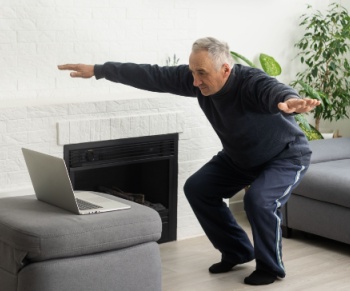
Exercise is one of the most powerful tools available for managing Parkinson’s disease.
Whether you prefer cycling, boxing, dancing, kayaking, walking, swimming, or another form of movement, the best exercise program is one that is safe, enjoyable, and sustainable over time. For people living with Parkinson’s disease, the goal is participation, not perfection. Staying active, staying engaged, and continuing to move may be the most powerful prescription of all.
Be Active Be Well
RESOURCES AND REFERENCES
- Living with Parkinson’s – The Parkinson’s Foundation
Parkinson’s Disease Exercises Class Resources in the SF Bay Area
- Stanford University Medicine – PD exercises classes in Northern California
- Stanford University Medicine – Online Parkinson’s Disease Exercise Classes
- Parkinson’s Support Group of Sonoma County – Fitness Class Resource List
- PD-Connect is a Bay Area nonprofit founded by physical therapist Lisa Oei that offers Parkinson’s-specific exercise classes, education, and support programs.
- Rock Steady Boxing – Adaptive boxing programs in San Francisco
- San Francisco Ballet – Dance Classes for People with Parkinson’s
Cycling
- Electrophysiological correlates of dynamic cycling in Parkinson’s disease Journal of Clinical Neurophysiology, 2025, Prajakta Joshi, et al
- Cycling fast to slow Parkinson’s: High-rate exercise regimen results in lower rate of motor symptom progression International Parkinson’s and movement Disorders Society BLOG
- Parkinson’s disease patients benefit from bicycling – a systematic review and meta-analysis – npj Parkinson’s Disease, 2021, Marianne Tiihonen, et al
- Bicycling for rehabilitation of persons with Parkinson Disease: A scoping review – Journal of Neurological Physical Therapy, 2025, John L Palmieri, et al
Boxing
- Boxing with and without Kicking Techniques for People with Parkinson’s Disease: An Explorative Pilot Randomized Controlled Trial – Journal of Parkinson’s Disease, 2022, Josefa Domingos, et al
Kayaking
- The effectiveness of Kayaking exercises as compared to general mobility exercises in reducing axial rigidity and improve bed mobility in early to mid stage of Parkinson’s disease – Pakistan Journal of Medical Sciences, 2014, Faiza Shujaat, et al
Dance
- Digital dance programs for Parkinson’s disease: challenges and opportunities – Opinion article in Frontiers in Psychology, 2025, Judith Bek, et al
- Effects of dance on quality of life among people with Parkinson’s disease: Meta-analyses – The Arts in Physiotherapy, 2025, Judith Bek, et al
- Dancing Through Parkinson’s: Impacts on Quality of Life and Socioemotional Experiences – Journal of Dance Medicine and Science, 2025, Ellen Gabrielle Araujo DeFarias, et al
- Dancing with Parkinson’s Canada
Be Active Be Well
Ready to get moving again—safely and confidently?
Whether you’re dealing with chronic pain, recovering from an injury, or simply feeling stuck, our expert team is here to help. We offer personalized Physical Therapy, Occupational Therapy, and Speech Therapy assessments, all from the comfort of your home.
Serving the San Francisco Bay Area—including Santa Clara, San Mateo, San Francisco, and Marin Counties—we bring compassionate, evidence-based care right to your doorstep.
Let’s work together to keep your body in motion and your mind at ease. Contact us today to get started!
Joanne Bedwell, PT, is the Resident Blogger at Be Active Be Well. Based in San Francisco, she lives with her husband and two nearly grown daughters. With over 25 years of experience as a physical therapist, she provides in-home client care and teaches fitness classes both in person and online.
DISCLAIMER: This article is intended to provide general information to help readers make informed decisions about exercise and health. It is not a substitute for professional medical advice, diagnosis, or treatment. Always consult your physician or another qualified health provider before starting any new exercise program or making changes to your health care. Never disregard or delay seeking medical advice because of something you have read in this article.