
Let’s clear up a common question: Do physical therapists actually perform massage?
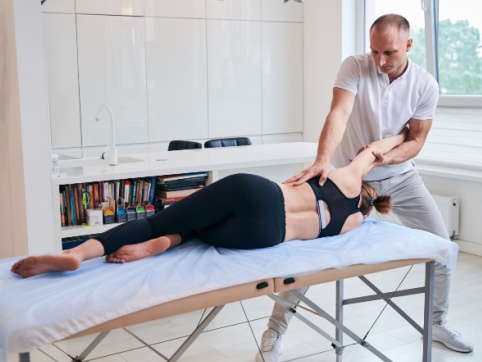
The short answer is yes. In physical therapy, we often refer to massage and other hands-on techniques as manual therapy. While physical therapists and massage therapists may use some similar techniques, the goals and approach are often different.
Physical therapy massage is usually part of a broader treatment plan designed to reduce pain, improve mobility, restore function, and support recovery from injury, surgery, or chronic conditions. Relaxation may be a welcome benefit, but it is not usually the primary goal.
Why Choose a Physical Therapist for Massage?
Convenience
Many of my patients schedule massage sessions in addition to their physical therapy treatments. As a home health physical therapist, I travel to patients’ homes, which makes receiving care convenient and accessible.
An added benefit is that I already know my patients’ diagnoses, medical history, movement patterns, and functional goals. Rather than starting from scratch, treatment can be tailored to their specific needs from the very first session.
Pain Relief
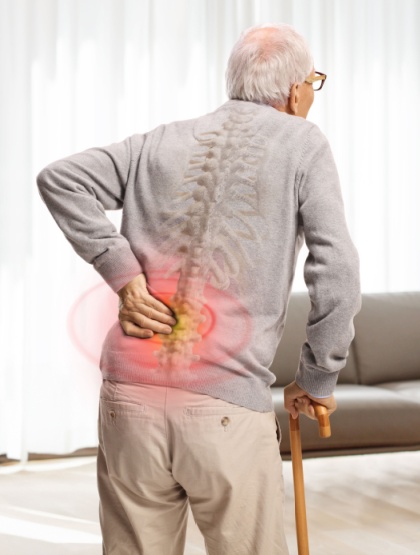
Physical therapy massage can help reduce pain by decreasing muscle tension, improving circulation, and promoting tissue recovery. This can be particularly helpful for individuals recovering from injuries, managing chronic pain, or experiencing muscle stiffness related to neurological or orthopedic conditions.
Because the treatment is guided by a physical therapy evaluation, the focus is not only on symptom relief but also on identifying and addressing factors that may be contributing to the pain.
Improved Mobility and Movement
One of the unique advantages of receiving massage from a physical therapist is that massage is only one tool in a much larger toolbox.
Depending on your needs, treatment may also include:
- Joint mobilization techniques to improve joint movement
- Soft tissue mobilization to address muscle tightness and tissue restrictions
- Stretching to improve flexibility
- Myofascial release techniques to address connective tissue restrictions
- Heat modalities to promote relaxation and circulation
- Range-of-motion exercises to restore movement
- Neuromuscular re-education to improve movement patterns and coordination
- Trigger point techniques to address localized areas of muscle tension
These interventions can work together to help improve movement, reduce discomfort, and support functional activities such as walking, reaching, transferring, and exercising.
Extensive Education and Training
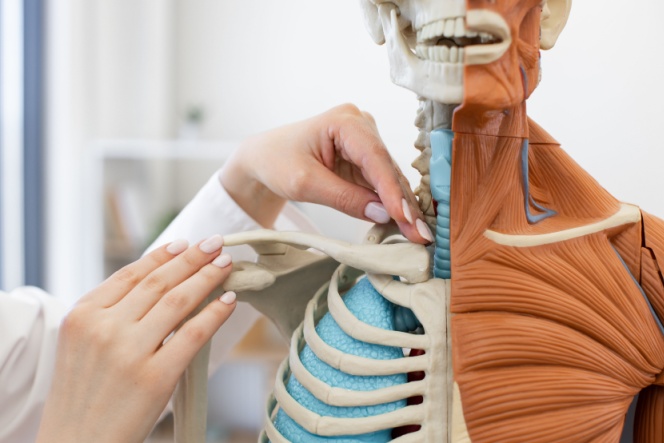
Physical therapists undergo extensive education and clinical training before becoming licensed practitioners.
Typically, this includes:
- A bachelor’s degree, often in a science-related field
- A Doctor of Physical Therapy (DPT) degree
- Successful completion of the National Physical Therapy Examination
- State licensure requirements
This training provides physical therapists with a strong understanding of anatomy, biomechanics, movement science, and rehabilitation.
Physical therapists are trained to assess factors such as muscle tightness, joint restrictions, movement impairments, scar tissue, nerve tension, and muscle guarding. This knowledge helps guide treatment decisions and allows manual therapy techniques to be integrated into a comprehensive plan of care.
Stress Reduction and Relaxation
Although physical therapy massage is often focused on physical recovery, relaxation remains an important benefit.
Stress can contribute to muscle tension, pain, poor sleep, and decreased overall well-being. Hands-on treatment can help promote relaxation and provide an opportunity for patients to slow down, breathe, and reconnect with their bodies.
Enhanced Recovery

Massage and manual therapy can help support recovery by improving circulation, reducing muscle tension, and encouraging movement of soft tissues.
When incorporated into an overall rehabilitation program, these techniques may help patients return more comfortably and confidently to their daily activities.
Benefits for Neurological Conditions
In my practice, I work with many individuals living with Parkinson’s disease. These patients often experience stiffness, rigidity, and difficulty initiating movement.
Manual therapy and massage can help improve comfort, reduce muscle tightness, and make movement feel easier. When combined with exercise and other physical therapy interventions, these techniques can support improved mobility and quality of life.
Better Together: Manual Therapy and Exercise
Research suggests that combining manual therapy with exercise can improve outcomes for some individuals with low back pain. Manual therapy may help reduce pain and improve movement, while exercise can help patients build strength, improve endurance, and maintain functional gains over time.
Rather than viewing massage as a stand-alone treatment, physical therapists often integrate manual therapy into a comprehensive plan that includes movement, exercise, education, and functional training.
The Bottom Line

Massage can feel great, but in a physical therapy setting it is typically part of a larger strategy designed to help you move better, feel better, and function more effectively.
You still get the benefits of relaxation and stress relief. The difference is that physical therapy massage is guided by a clinical evaluation and incorporated into a personalized treatment plan focused on your goals.
Whether you are recovering from an injury, managing a chronic condition, or simply looking to move more comfortably, physical therapy massage may offer benefits that go beyond relaxation alone.
Be Active Be Well
GUEST BLOGGER
Danielle Johnson, MSPT, is a guest blogger and part-time Physical Therapist at Be Active Be Well and the owner of Rehabilitate Physical Therapy, Inc, a private in-home physical therapy practice. Based in San Mateo, CA, she lives with her husband and (3) teenagers. She has been practicing for over 25 years across diverse clinical settings. She specializes in and is most passionate about delivering personalized in-home physical therapy care.
Ready to get moving again—safely and confidently?
Whether you’re dealing with chronic pain, recovering from an injury, or simply feeling stuck, our expert team is here to help. We offer personalized Physical Therapy, Occupational Therapy, and Speech Therapy assessments, all from the comfort of your home.
Serving the San Francisco Bay Area—including Santa Clara, San Mateo, San Francisco, and Marin Counties—we bring compassionate, evidence-based care right to your doorstep.
Let’s work together to keep your body in motion and your mind at ease. Contact us today to get started!
DISCLAIMER: This article is intended to provide general information to help readers make informed decisions about exercise and health. It is not a substitute for professional medical advice, diagnosis, or treatment. Always consult your physician or another qualified health provider before starting any new exercise program or making changes to your health care. Never disregard or delay seeking medical advice because of something you have read in this