
Every 40 seconds, someone in the U.S. has a stroke. It’s the fifth leading cause of death in the U.S. and a major contributor to long-term disability — especially in older adults.But here’s the good news: stroke is treatable if recognized and treated early.
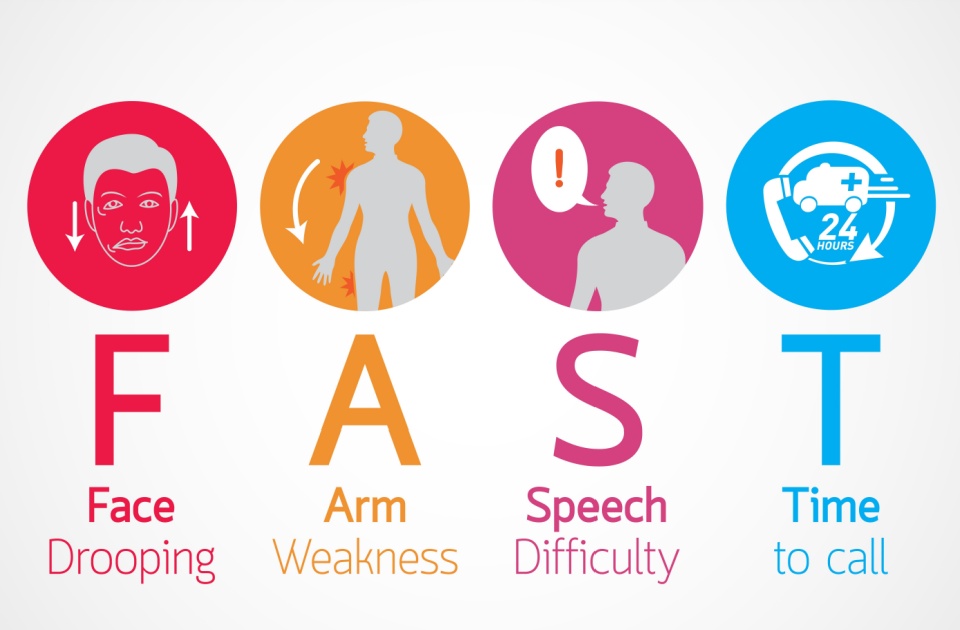
A stroke happens when blood flow to the brain is blocked or a blood vessel bursts. Without oxygen, brain cells begin to die within minutes. That’s why acting F.A.S.T. can mean the difference between full recovery and lasting damage.
Know the Signs of a Stroke
Stroke symptoms come on suddenly. If you notice even one of the following, call 9-1-1 immediately.
F.A.S.T. Warning Signs
F – Face Drooping: Does one side of the face droop when smiling?
A – Arm Weakness: Can both arms be raised? Does one arm drift down?
S – Speech Difficulty: Is speech slurred or hard to understand?
T – Time To Call 9-1-1: Even ONE of these signs means its time to act!
Don’t wait to see if symptoms improve. Every minute matters — stroke treatment is most effective within the first few hours.
Stroke Symptoms Can Look Different in Women
The F.A.S.T. signs apply to everyone, but women are more likely to experience additional, less typical symptoms, which can delay diagnosis.
Women may also experience

- Sudden confusion or disorientation
- Nausea or vomiting
- Shortness of breath
- Seizures
- Hiccups
- Chest pain or palpitations
- General weakness or fainting
Even subtle or unusual symptoms in women should be taken seriously — don’t wait to call 9-1-1.
Who’s at Risk for Stroke?
Stroke can happen at any age but some factors increase stroke risk, especially as we age:
- High blood pressure
- High cholesterol
- Diabetes
- Heart disease or atrial fibrillation (AFib)
- Smoking
- Age over 55
- Obstructive sleep apnea
- Sedentary lifestyle
- Excess alcohol consumption
Prevention: Small Habits, Big Impact
Stroke prevention is possible — and even small steps can help:
- Manage blood pressure – Take medications as prescribed, reduce salt intake
- Control cholesterol & blood sugar – Healthy eating, exercise, and regular check-ups
- Be active – Aim for at least 150 minutes of moderate activity per week
- Eat well – Prioritize fruits, vegetables, whole grains, and lean proteins
- Quit smoking – Talk to your doctor about support programs
- Limit alcohol
- Treat sleep apnea – Don’t ignore loud snoring or daytime fatigue
- Manage stress – Chronic stress can raise stroke risk
For Caregivers: What You Can Do?
If you’re caring for an aging loved one, your quick action could save their life. Keep the F.A.S.T. signs in an easy-to-see place (like on the fridge). Know their medical history. And trust your instincts if something feels wrong — especially if they’re suddenly confused, dizzy, or unusually tired.
Final Thoughts
A stroke is scary, but knowledge is powerful. Recognizing the signs and acting fast can dramatically improve outcomes. Whether you’re an older adult or a caregiver, take time to:
- Review the F.A.S.T. signs regularly
- Practice healthy habits
- Talk to your doctor about your stroke risk
- Share this information with loved ones
Stroke is treatable.
F.A.S.T. action saves lives.
RESOURCES
Interested in learning more? Explore these in-depth articles for deeper insights.
- Learn to Act F.A.S.T. – American Heart Association
- Is it fatigue – or a stroke? Women shouldn’t ignore these warning signs – American Heart Association
- Wake-Up Women of the World Stroke Is A Woman’s Issue – Stroke Recovery Foundation
- Stroke Symptoms PSA – American Heart Association
Looking for more inspiration?
Whether you’re just getting started or ready to take the next step in your wellness journey, these blogs can help you move forward with confidence:
Be Active Be Well
We provide in-home consultations in the San Francisco Bay Area. Contact us for a personalized Physical Therapy, Occupational Therapy, or Speech Therapy assessment in the San Francisco Bay Area: Santa Clara, San Mateo, San Francisco, and Marin Counties.
Joanne Bedwell, PT, is the Resident Blogger at Be Active Be Well. Based in San Francisco, she lives with her husband and two nearly grown daughters. With over 25 years of experience as a physical therapist, she provides in-home client care and teaches fitness classes both in person and online.
DISCLAIMER: This article is intended to provide general information to help readers make informed decisions about exercise and health. It is not a substitute for professional medical advice, diagnosis, or treatment. Always consult your physician or another qualified health provider before starting any new exercise program or making changes to your health care. Never disregard or delay seeking medical advice because of something you have read in this article.