
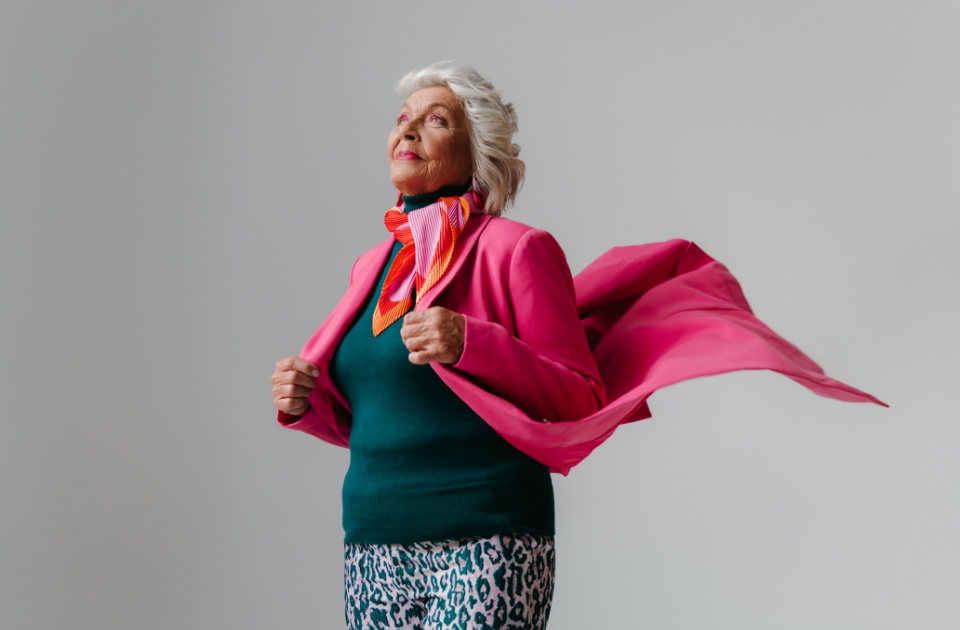
What is a Super-Ager?
The term “super-ager” was first coined in 2008 by researchers at Northwestern University’s School of Medicine. It describes individuals aged 80 or older who maintain memory skills comparable to those of people 30 years younger. While the brain naturally begins to shrink around age 40, super-agers experience this shrinkage at about half the rate of their peers. As a result, they retain greater volume in brain regions critical for memory, helping them stay sharp well into their later years.
Genetics Vs. Lifestyle
Experts agree that genetics play the most significant role in becoming a super-ager, but lifestyle choices also matter—and among them, social connection stands out. While many super-agers tend to follow a healthy lifestyle, what truly sets them apart is their ability to maintain strong relationships and stay socially engaged. Research suggests that meaningful connections help preserve cognitive function, reduce stress, and even promote longevity.
Super-Agers Are Socially Engaged
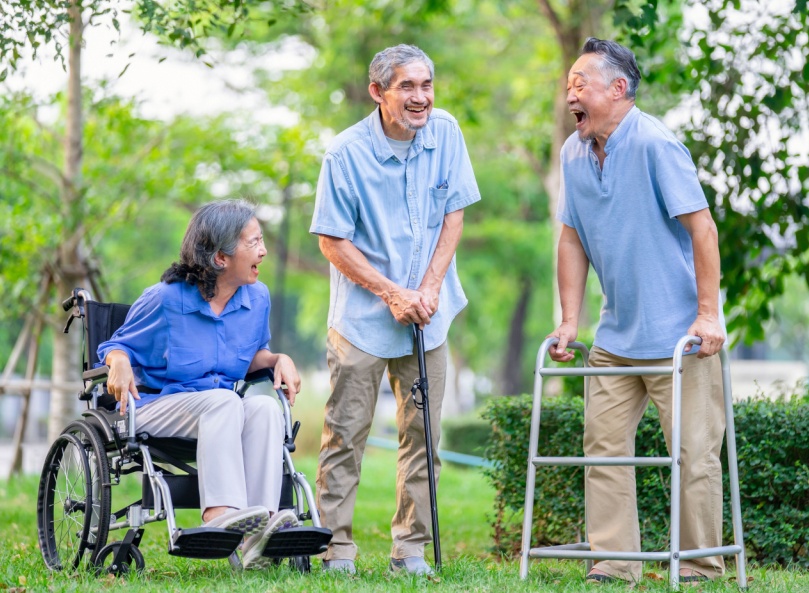
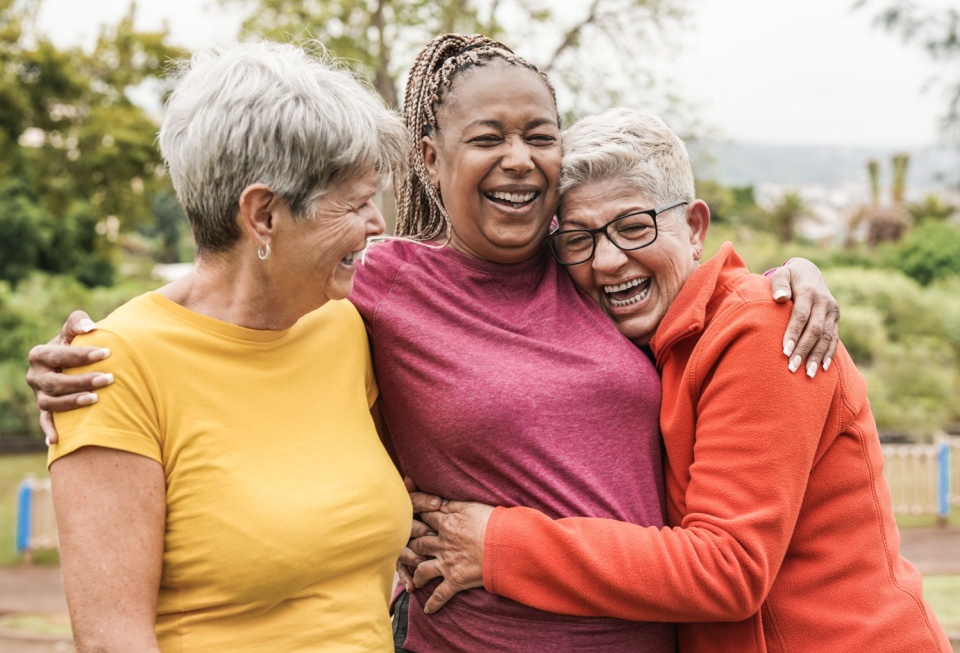
While you can’t change your genes, you can nurture habits that support healthy aging. Prioritizing friendships, staying involved in your community, and engaging with the world may be just as crucial as diet and exercise. You don’t need to have a large social circle—what matters is cultivating deep, meaningful relationships that offer support and engagement. For ideas on cultivating friendships, see our blog: Looking for Friends in All the Right Places.

Super-Agers Challenge Themselves
Super-agers actively challenge themselves by learning new skills, embracing new experiences, meeting diverse people, reading, enjoying music, and immersing themselves in stimulating environments. Just like muscle strength, memory improves with practice. However, to continue growing, we must challenge ourselves in new ways—just as we wouldn’t lift the same weight every day. Our brains need constant challenges to stay sharp and resilient. Get the details in our blog: Can We Boost Our Brainpower?
Super-Agers Cultivate Resilience and Embrace Aging
Stress is an inevitable part of life, but super-agers don’t let it define them. Instead of dwelling on what they can’t control, they focus on healthy coping mechanisms. Likewise, they reject negative stereotypes about aging. Research shows that those who fixate on age-related decline are more likely to experience it, while those who focus on the positives—such as wisdom, emotional regulation, and meaningful relationships—tend to thrive.
At Be Active Be Well, we believe wellness is a lifelong practice shaped by daily choices. No matter where you are in life, there’s always room for improvement. Start small, stay consistent, and work with your medical providers to build habits that support a vibrant future. Discover six practical ways to cultivate optimism in our blog: Do Optimists Really Live Longer?
Contact us for a personalized Physical Therapy, Occupational Therapy, or Speech Therapy assessment. We provide in-home consultations in the San Francisco Bay Area: Santa Clara, San Mateo, San Francisco, and Marin Counties.
Super-Agers Are More Active
Exercise boosts both physical and mental health by increasing brain-derived neurotrophic factor (BDNF), often called “Miracle-Gro for the brain.” This compound helps stimulate the growth of new neurons and can slow cognitive decline. Regular exercise increases BDNF levels, which may also help delay the progression of degenerative brain diseases. Curious about how exercise can boost brain health? Discover more in our blog: Can We Boost Our Brainpower?
Super-Agers Eat More Super Foods
In addition to staying active, super-agers follow diets rich in antioxidants, polyphenols, and omega-3 fatty acids. These foods support both brain health and cardiovascular function, helping to manage chronic, low-level inflammation that is often linked to aging. Have you ever wondered why some people seem to age more gracefully than others? It could be tied to inflammation. Get the details in our blog: Beyond Wrinkles: Understanding Inflammation in Aging.
The Super-Ager Mindset: A Lifelong Commitment to Well-Being
While genetics may set the foundation for super-aging, the habits we cultivate play a powerful role in shaping our long-term health. Prioritizing social connections, staying mentally engaged, embracing resilience, maintaining physical activity, and nourishing our bodies with the right foods are all essential components of aging well.

The good news? It’s never too late to start. Small, consistent changes can have a lasting impact on your cognitive and physical well-being. Whether it’s reaching out to an old friend, learning something new, or taking a daily walk, every step you take brings you closer to a vibrant and fulfilling future.
Aging gracefully isn’t about avoiding aging—it’s about embracing it with purpose, curiosity, and a commitment to lifelong wellness.
So, what habit will you start today?
Be Active Be Well
We provide in-home consultations in the San Francisco Bay Area. Contact us for a personalized Physical Therapy, Occupational Therapy, or Speech Therapy assessment in the San Francisco Bay Area: Santa Clara, San Mateo, San Francisco, and Marin Counties.
RESOURCES
Interested in learning more? Explore these in-depth articles for deeper insights.
- A Peek Inside the Brains of ‘Super-Agers’ – The New York Times, By Dana G. Smith, April 2024
- Superagers Resist Typical Age-Related White Matter Structural Changes – The Journal of Neuroscience, June 2024
- 4 Habits of ‘SuperAgers’ – Northwestern Medicine Healthbeat Newsletter, October 2023
- Unlocking the secrets of SuperAgers – University of Michigan, By Claudia Capos, February 2024
- Can you become a “super-ager”? – Harvard Health Publishing, By Matthew Solan, June 2024
Joanne Bedwell, PT, is the Resident Blogger at Be Active Be Well. Based in San Francisco, she lives with her husband and two nearly grown daughters. With over 25 years of experience as a physical therapist, she provides in-home client care and teaches fitness classes both in person and online.
DISCLAIMER: This article contains information that is intended to help the readers be better informed regarding exercise and health care. It is presented as general advice on health care and is not intended to be a substitute for the medical advice of a licensed physician. Before beginning any new exercise program it is recommended that you seek medical advice from your personal physician. The reader should consult with their doctor in any matters relating to his/her health.