
Challenging the Myths That Hold Us Back
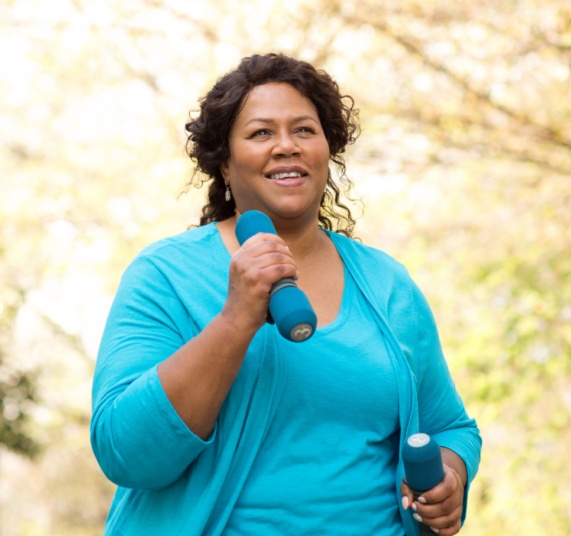
September is Healthy Aging Month, a perfect time to celebrate the journey of growing older and challenge the common myths that can quietly shape how we see ourselves. I just turned 60, and while I definitely feel some changes (I have to work a bit harder, and I may not be as fast or as strong as I was in my 30s or 40s), I am not frail. And I don’t accept that frailty is inevitable.
Aging is often misunderstood, and these misconceptions can lead to fear, frustration, or even resignation. But the truth is, many aspects of aging are within our control. Science continues to show us that with the right mindset and habits, we can age with strength, purpose, and joy.
Myth 1: Aging Means Inevitable Decline in Physical and Mental Abilities
It’s a common belief that aging always brings physical frailty and cognitive decline. While it’s true that some changes are part of the natural aging process, and certain health conditions may be unavoidable, research shows that healthy lifestyle choices can still make a meaningful difference. Regular exercise, balanced nutrition, and mental stimulation can help slow decline, support function, and improve quality of life. Strength training, for instance, helps maintain muscle mass and bone density and social engagement support brain health. Even in the face of illness, these habits often improve resilience and independence.
Myth 2: Older Adults Should Avoid Strenuous Exercise

It’s a common misconception that seniors should stick to gentle activities only. In fact, the right kind of exercise, including aerobic, strength, and balance training, is not only safe but vital for maintaining mobility, reducing fall risk, and boosting overall well-being. Starting slow, working with professionals, and listening to your body are key to exercising safely at any age.
Looking to take it a step further? Check out our blog on Why Plyometrics Matter at Any Age: Stay Active and Independent, or explore Getting Started with HIIT: A Guide to Efficient and Effective Training. Both offer practical tips to help you move with confidence.
Myth 3: Memory Loss is Normal and Untreatable in Aging

While it’s normal to experience occasional forgetfulness, serious memory loss is not a guaranteed part of aging. Distinguishing between mild memory changes and signs of dementia is important. Cognitive activities, a healthy diet, adequate sleep, and managing cardiovascular risk factors all contribute to brain health.
For more on protecting brain health and boosting cognition, check out our two-part blog series.
Myth 4: Chronic Pain is Just Part of Getting Older
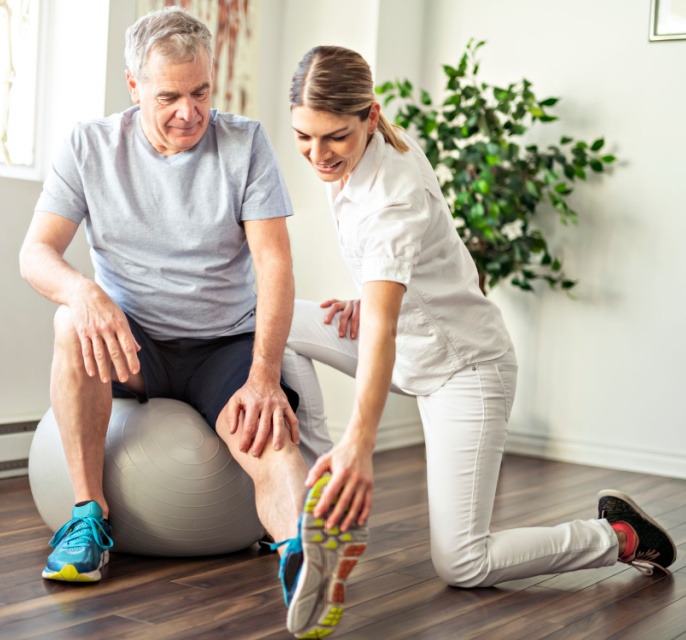
While occasional aches are common, chronic pain is not an inherent part of aging. Interestingly, a 2015 study in the Journal of Neuroradiology found that many people with age-related spinal changes on imaging didn’t report any pain. This highlights that such changes are often a normal part of aging and not always the source of pain.
Pain can often be managed or even reduced through treatments like physical therapy, medication, and lifestyle changes. Addressing pain early can improve quality of life and help maintain independence.
For a deeper look at how movement can reduce pain and restore function, explore our blog Understanding Pain: Move More, Hurt Less.
Myth 5: It’s Too Late to Change Habits and Improve Health in Older Age

Whether you’re 60, 70, or beyond, it’s never too late to adopt healthier habits. Studies show that positive changes, such as starting an exercise routine or improving nutrition, can bring benefits at any age. Many inspiring stories exist of older adults improving strength, balance, and vitality well into their later years.
Looking for inspiration or ideas to get started? Check out these practical reads for tips, encouragement, and success stories:
Embrace Aging with Optimism and Support
Aging is a journey and with the right knowledge and support, it can be a vibrant and fulfilling one. Believing these myths can discourage people from seeking care, staying active, or making healthy choices. Understanding the facts empowers us to take control of our health, improve quality of life, and enjoy the aging process with confidence.
If you or a loved one want guidance tailored to your needs, our team of physical therapists, occupational therapists, and speech-language pathologists are here to help you live your healthiest, happiest life.
Serving the San Francisco Bay Area—including Santa Clara, San Mateo, San Francisco, and Marin Counties—we bring compassionate, evidence-based care right to your doorstep. Contact us today to get started!
Be Active Be Well
Tips for Healthy Aging Backed by Science, read our related blog posts
Stay Active:
Aim for a mix of aerobic, strength, and balance exercises.
- Staying Steady: The Role of Balance Training in Active Aging
- 50+ and Thriving: The Art of Building Strength
- Fitness After 50: Three Lifestyle Steps
- Step into Wellness: Unveiling the Benefits of Walking
Stay Resilient:
Manage stress, prioritize sleep, practice relaxation, stimulate your happy hormones, and choose optimism
- The Virtues of a Good Night’s Sleep
- Inhale, Exhale, Begin: Starting A Breathing Practice
- Unlock Happiness With The Happy Hormones
- Choose Optimism: How Your Mindset Shapes Your Health
- Life’s Greatest Lessons: What I Would Tell My Younger Self
Eat Well:
Focus on whole foods, plenty of fruits and vegetables, and hydration.
Keep Your Mind Sharp:
Engage in learning, socializing, and brain games.
Get Regular Checkups:
Early detection and management of health issues are key.
Joanne Bedwell, PT, is the Resident Blogger at Be Active Be Well. Based in San Francisco, she lives with her husband and two nearly grown daughters. With over 25 years of experience as a physical therapist, she provides in-home client care and teaches fitness classes both in person and online.
DISCLAIMER: This article is intended to provide general information to help readers make informed decisions about exercise and health. It is not a substitute for professional medical advice, diagnosis, or treatment. Always consult your physician or another qualified health provider before starting any new exercise program or making changes to your health care. Never disregard or delay seeking medical advice because of something you have read in this article.